
Byrsotria
Byrsotria
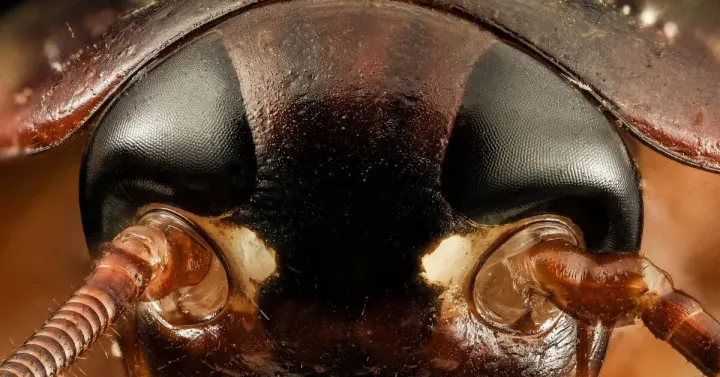
Description
How to identify
Byrsotria is a genus of insects belonging to the order Blattodea and the family Blaberidae. These insects are commonly associated with warm, humid environments, making them occasional pests in greenhouses and indoor plant facilities.
Adult Byrsotria individuals are characterized by a flattened, dark-colored body that allows them to thrive in narrow crevices, under plant containers, and within organic growing substrates.
Sexual dimorphism is often observed in the genus, with variations in wing length and body size between males and females, which is a key factor during taxonomic identification.
Nymphs resemble smaller versions of the adults but lack fully developed wings. They undergo several molting stages, growing progressively larger as they reach sexual maturity.
Identification at the species level usually requires specialized microscopic analysis of the male genitalia, as external morphological traits can be very similar across the genus.
What it damages
Byrsotria primarily poses a threat to ornamental plants and vegetable seedlings grown in protected indoor environments. They are considered pests due to their nocturnal feeding habits.
Feeding occurs by chewing on leaves, stems, and tender shoots. This can result in significant tissue loss, causing stunted growth, deformed leaves, and reduced aesthetic value in ornamental species.
High population densities can lead to severe damage to root systems or lower stems, especially in pots with rich, organic soil mixes where the insects feel most comfortable.
Beyond physical consumption, these insects leave behind excrement and debris that can harbor fungal pathogens and bacteria, promoting plant diseases in the greenhouse environment.
The presence of these pests often necessitates the disposal of infected plants, resulting in economic losses for commercial growers who must maintain high phytosanitary standards.
When it appears
Byrsotria is a tropical genus, and therefore it is active year-round in controlled indoor climates. They do not have a natural seasonal cycle in temperate regions unless they invade heated structures.
Development and reproductive rates are heavily dictated by temperature and humidity. A constant environment of 25°C to 28°C is optimal for rapid multiplication and high survival rates of all life stages.
Population spikes are typically observed in poorly ventilated greenhouses where moisture accumulates, as the insects require consistent humidity for successful molting.
In winter months, the pests aggregate in the warmest areas of the facility, such as near heating pipes, baseboards, or stored mulch and compost piles.
Movement between different greenhouse sections usually occurs through drainage systems or as hitchhikers on newly introduced plant stock from other locations.
Signs of infestation
The most visible sign of infestation is the presence of small, dark fecal spots on the underside of leaves, pots, or greenhouse staging, which often accumulates over time.
Irregular, chewed-out leaf margins are a common indicator of pest activity. If plants show signs of nibbling, inspections should be conducted at night using a flashlight.
Finding discarded molted skins (exuviae) or empty oothecae (egg cases) in dark, damp areas is a definitive sign of an established breeding population.
A distinctive musky odor, often associated with cockroach aggregations, may be detectable in enclosed spaces when the population density reaches significant levels.
Increased activity of insects scurrying away when containers are moved or when the lights are turned on indicates a colony is present within the substrate or greenhouse structure.
Control measures
The first line of defense is rigorous sanitation: removing plant debris, dead leaves, and organic mulch from the greenhouse floor and under benches to eliminate hiding spots.
Sticky traps placed in high-activity areas provide an effective way to monitor population trends and physically remove a portion of the adult population from the environment.
Chemical control involving insecticidal baits or professional-grade contact sprays can be used, provided that the products are labeled for greenhouse use and tested for plant safety.
Biological control methods, such as the use of entomopathogenic fungi or specialized nematodes, offer a targeted approach to reduce population numbers without harsh chemicals.
Exclusion is critical; all greenhouse vents and doorways should be properly screened to prevent the entry of insects, and all new plant material must be quarantined before introduction.
Taxonomy
- Latin name
- Byrsotria
- Family
- Blaberidae
- EPPO code
- BYROSP
Discussion
No discussions yet — be the first.