
Surinam cockroach
Pycnoscelus
Description
How to identify
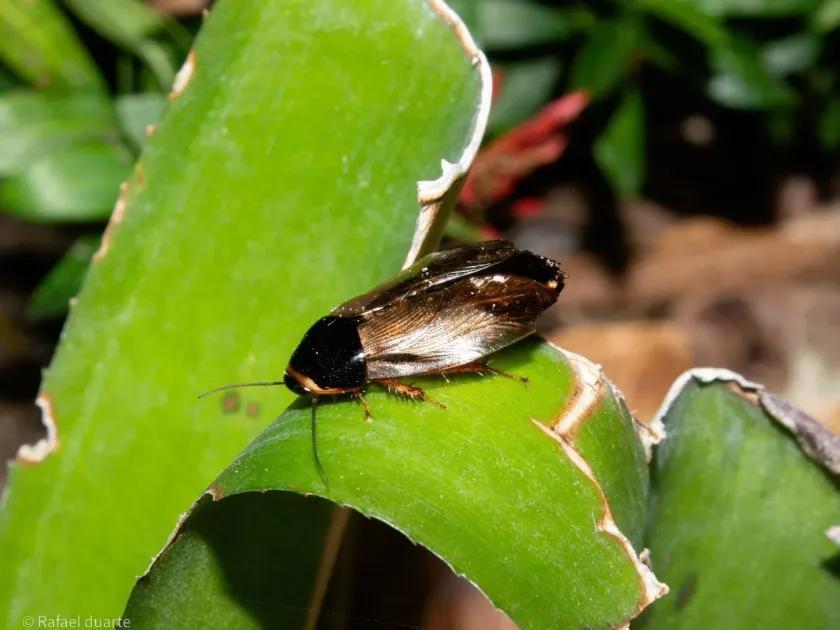
The Surinam cockroach (Pycnoscelus surinamensis) belongs to the order Blattodea and the family Blaberidae. This insect reaches 18–25 mm in length and features a dark brown to black, shiny body.
Adults exhibit sexual dimorphism and may possess wings, though they rarely fly. Nymphs are smaller and lack wings, appearing as miniature versions of the adults.
This species is ovoviviparous, which leads to rapid population growth. In greenhouses, they prefer a hidden lifestyle, burrowing into the soil or under plant debris.
Ideal development occurs in high humidity and temperatures above 20°C. These conditions allow them to colonize large areas within a greenhouse environment very quickly.
Their habit of burrowing into the substrate makes them difficult to detect during standard visual inspections until the infestation has reached a significant level.
What it damages
This pest affects a wide range of ornamental and agricultural crops, including potted plants, seedlings, and the tender shoots of vegetable crops.
The primary damage is caused to the root system, which the insects feed on while living in the soil. This weakens the plant, leading to yellowing leaves and gradual wilting.
Beyond the roots, the cockroaches may damage delicate stems, lower leaves, and young sprouts, leaving irregular holes and jagged edges on the plant tissue.
Apart from direct mechanical damage, the presence of these pests promotes the spread of fungal and bacterial infections through the open wounds created on roots and stems.
Excessive cockroach activity in the soil disrupts the structure of the substrate and damages root hairs, severely limiting the plant's ability to absorb essential nutrients.
Signs of infestation
The first sign of infestation is sudden wilting of the plants, where watering does not provide any visible improvement in the health of the foliage.
During an inspection of the root ball, you may discover adult cockroaches or nymphs, which typically scurry away quickly when the substrate is disturbed or during repotting.
Characteristic signs include fecal droppings on the soil surface or near pots, as well as visible signs of gnawing on the roots of the affected plants.
During the night, if you suddenly turn on the lights, you may observe individuals moving across the soil surface or along the base of the stems, confirming a high infestation density.
Affected plants appear stunted and their growth is noticeably slowed; leaves often lose turgor pressure even when the soil moisture is kept at appropriate levels.
Control measures
The primary method of control is maintaining high sanitary standards in the greenhouse, including the removal of fallen leaves and organic debris that serve as hiding spots.
Applying pyrethroid-based insecticides as a soil drench can effectively eliminate both nymphs and adults hiding within the growing medium.
Using entomopathogenic nematodes is an effective biological control method that targets the cockroaches in the soil without harming the plants themselves.
It is highly recommended to sterilize all soil mixes before planting to prevent the accidental introduction of eggs or nymphs via store-bought growing media.
- Regular monitoring using sticky traps.
- Replacing infested substrate with sterilized soil.
- Reducing excessive irrigation to make the soil less hospitable.
Taxonomy
- Latin name
- Pycnoscelus
- Family
- Blaberidae
- EPPO code
- PYCSSP
Discussion
No discussions yet — be the first.