
Psammodromus
Psammodromus
Description
How to identify
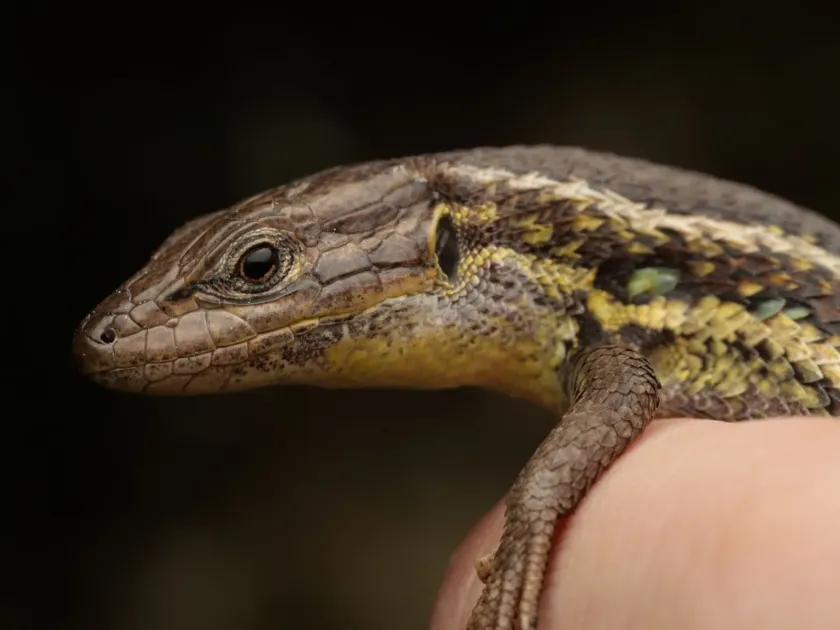
Psammodromus is a genus of lizards belonging to the family Lacertidae. These reptiles are characterized by their keeled scales, which give them a textured, rough appearance.
They typically possess a slender body and an elongated tail, often significantly longer than the head and body combined. Their coloration is usually cryptic, ranging from sandy brown to olive.
The morphology of their limbs is adapted for rapid locomotion across sandy soils and arid habitats. Their pointed heads allow them to navigate efficiently through dense vegetation or loose substrates.
Identifying them can be challenging due to their elusive nature, though they are often detected by the rustling sound they make while moving through dry leaves or organic mulch.
Adult individuals usually reach lengths between 15 and 20 centimeters. Distinguishing features include the absence of a prominent gular fold, which is typical for many other lacertid species.
What it damages
It is important to note that Psammodromus is not a pest in the traditional agricultural sense, as they are primarily insectivorous, feeding on small invertebrates.
In certain agricultural settings, high population densities may cause mechanical damage to young seedlings or delicate shoots if the lizards trample them while hunting or foraging.
The primary concern regarding their presence is the disruption of soil structure or mulching layers, which may accelerate moisture loss in the root zones of vegetables.
In large nursery operations, their activity might lead to the displacement of soil or the transfer of pathogens across various growing areas on their skin.
While they are generally considered beneficial as predators of harmful insects, their presence can be viewed as undesirable in specialized greenhouses or fragile seedling trays.
When it appears
The activity period for Psammodromus begins in early spring, as soon as soil temperatures rise consistently above 15 degrees Celsius.
Their population peaks during the summer months, aligning with the highest availability of insect prey, which facilitates their reproduction and foraging cycles.
As autumn approaches and ambient temperatures drop, their metabolic activity declines, and they begin seeking overwintering sites in deep soil or under protective covers.
During the winter, they remain in a state of brumation, during which time they cause no harm or disturbance to agricultural activities on the plot.
The emergence of the new generation typically coincides with the peak growth phase of vegetable crops in late spring, requiring heightened monitoring during this period.
Signs of infestation
A primary sign of their presence includes distinct winding tracks left on loose soil or sandy surfaces, created by their limbs and dragging tails.
The discovery of specific fecal droppings near garden edges or pathways serves as a clear indication of a stable population inhabiting the area.
Disturbed mulch or shifted landscape fabric around greenhouses often points to their pathways and their search for shelter from the midday heat.
Visual confirmation of individuals basking on sunny rocks or raised garden bed edges during morning hours is a reliable indicator of their nesting proximity.
Damage to insect pollinators or the depletion of beneficial insect populations can occasionally be attributed to their high-intensity predatory activity.
Control measures
The most effective management strategy involves maintaining a clean garden by removing piles of debris, stones, and dry branches that offer shelter for these reptiles.
Installing fine-mesh physical barriers around sensitive plant beds can effectively prevent the entry of lizards into the areas where protection is needed most.
Regular tillage and soil cultivation make the surface environment less hospitable for the lizards, encouraging them to migrate to more stable habitats outside the field.
Applying scent-based natural repellents around the perimeter of greenhouses can discourage visitation without causing harm to the environment or the crops.
If population levels are deemed excessive, creating alternative, more attractive habitats at the edges of the property can successfully divert the lizards away from vegetable patches.
Taxonomy
- Latin name
- Psammodromus
- Family
- Lacertidae
- EPPO code
- PSMMSP
Discussion
No discussions yet — be the first.