
Fringe-toed lizard
Acanthodactylus
Description
How to identify
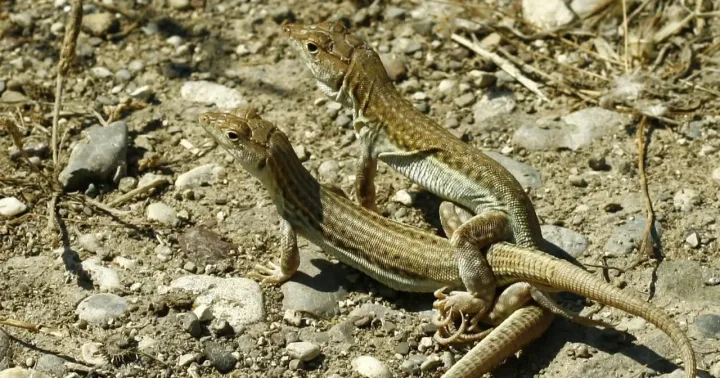
The fringe-toed lizard (genus Acanthodactylus) belongs to the family Lacertidae, commonly known as true lizards. They are small to medium-sized reptiles.
They are characterized by unique lateral scales on their toes, forming a fringe. This adaptation allows them to move efficiently across loose, sandy substrates.
Their skin is typically rugged and scaled, with patterns often matching the desert or arid soil textures they inhabit, providing excellent camouflage.
Their head shape is pointed, which is highly functional for burrowing into the sand to escape predators or regulate body temperature during the heat.
Being cold-blooded, they rely on environmental thermal sources to fuel their metabolic activity, which is reflected in their daily movement patterns.
What it damages
Fringe-toed lizards are not agricultural pests. They are strictly insectivorous, feeding on small invertebrates, beetles, and spider populations.
They do not consume vegetation, fruits, or roots. Consequently, they pose absolutely no threat to crop yield or plant health in agricultural settings.
On the contrary, their presence is beneficial as they act as a form of natural biological control, consuming various insects that may cause crop damage.
Because they occupy a niche as predators of insects, they help maintain a balanced ecosystem, reducing the need for intensive insecticide application.
In terms of agricultural impact, these lizards should be considered harmless allies rather than threats to farmers or gardeners.
When it appears
The activity of fringe-toed lizards is entirely dependent on the seasonal temperature cycle due to their physiological nature as ectotherms.
They emerge from their winter dormancy as soon as spring temperatures are sufficient to warm the soil and initiate their daily activity.
During the peak of summer, they remain highly active, though they may shift their activity hours to avoid the most intense midday sun, preferring dawn or dusk.
As autumn progresses and ground temperatures drop, the lizards begin to decrease their surface activities and move towards their overwintering sites.
Throughout the winter, they remain in deep burrows, effectively hibernating until the return of warmer weather conditions in the following spring.
Signs of infestation
The most reliable sign of their presence is the unique trail patterns they leave on sandy soil, created by the specialized fringe scales on their toes.
These trails appear as rhythmic, slightly wavy tracks that often include a distinctive line made by the tail drag between the footprints.
Small circular or oval burrow entrances in the soil are a strong indicator of an established population using the area for shelter and nesting.
Observing adult lizards basking on rocks or dry soil patches during the morning is a common occurrence in regions where they naturally thrive.
Finding shed skin fragments in sheltered areas of the farm is another common sign that these reptiles are active within the local ecosystem.
Control measures
No control measures are necessary for fringe-toed lizards, as they do not constitute a threat to crops and perform a positive role in pest management.
Promoting their presence by reducing the use of broad-spectrum pesticides is recommended, as these chemicals can be detrimental to local reptile populations.
Farming practices that protect natural habitats and uncultivated soil areas help support the biodiversity that keeps the ecosystem healthy.
It is important to treat these reptiles with respect, recognizing them as a component of the local wildlife rather than an adversary to agriculture.
- Avoid excessive pesticide use to protect beneficial fauna.
- Maintain natural ground cover around agricultural fields.
- Foster ecological harmony by encouraging natural predators.
Taxonomy
- Latin name
- Acanthodactylus
- Family
- Lacertidae
- EPPO code
- AKNDSP
Discussion
No discussions yet — be the first.