
Prosapia
Prosapia
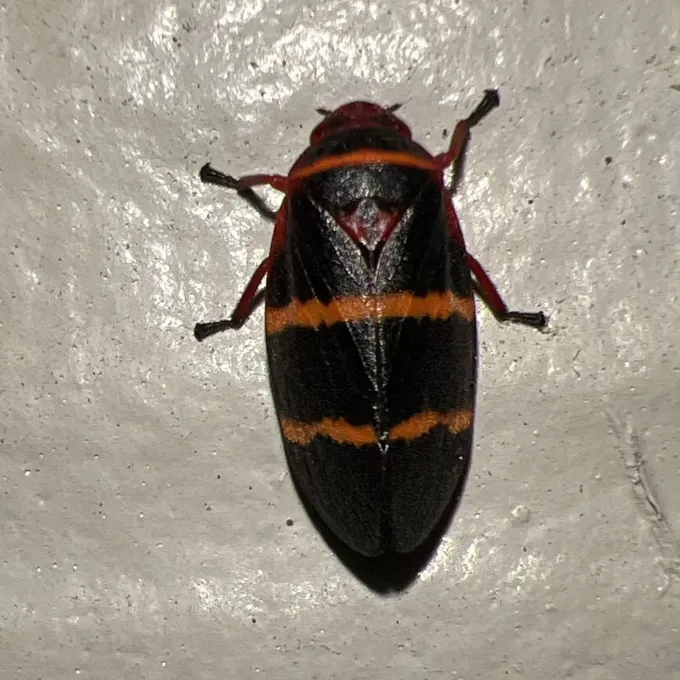
Description
How to identify
Prosapia is a genus of insects belonging to the Cercopidae family, commonly referred to as froghoppers or spittlebugs due to the unique behavior of their nymphs.
The nymphs produce a frothy, saliva-like mass to protect themselves from predators and desiccation, which makes them easy to spot in heavily infested areas.
Adult insects are typically dark-colored, often featuring distinct patterns or stripes on their wings that serve as a form of camouflage against green foliage.
They possess powerful hind legs, enabling them to jump rapidly and evade threats, which makes manual monitoring or control difficult in large fields.
These insects rely heavily on a moist environment for their early developmental stages, which is why they are often most problematic in well-irrigated or humid zones.
What it damages
Prosapia primarily feeds on various grass species, including forage crops, pastures, and ornamental turf, by sucking sap directly from the xylem.
The economic impact is significant in cattle farming, as infestation reduces the nutritional quality and biomass of pasture grasses, leading to lower grazing capacity.
Turf damage manifests as withered, yellowing patches that can escalate to widespread dieback if the insect population remains unchecked for a long period.
Both nymphs and adults contribute to plant decline; nymphs focus on the roots and lower stems, whereas adults tend to feed on the foliage and upper parts of plants.
Heavy feeding pressure disrupts the plant's vascular system, making it prone to stress, wilting, and secondary diseases that further destroy the crop cover.
When it appears
The life cycle of Prosapia is closely tied to seasonal changes, with eggs typically overwintering in plant debris or the soil surface of the pasture.
In spring, rising temperatures trigger the hatching of the first generation, marking the beginning of the most active period for damage development.
Multiple generations can occur throughout the growing season, depending on the region and the availability of moisture, ensuring a sustained pressure on vegetation.
Peak infestation levels are usually reached during mid-to-late summer, coinciding with the most vigorous growth phase of many grass varieties.
Proper monitoring should start early in the season to detect the emergence of nymphs before they reach the adult stage and spread across the field.
Signs of infestation
The most telltale sign of a Prosapia infestation is the presence of white, bubbly froth found near the base of stems or hidden in dense clumps of grass.
Infested plants exhibit visible stunting, chlorosis, and curled leaves, indicating that the plant is struggling to transport water and nutrients efficiently.
A noticeable reduction in the vigor of the pasture or lawn, accompanied by brown patches, often signals that the pest population has exceeded economic thresholds.
During the day, walking through the field often triggers a sudden jumping response from adult insects, which is a clear indicator of a high-density infestation.
Roots of heavily infested grasses may appear weakened, and the turf may feel spongy or detached from the soil due to the localized damage caused by nymphs.
Control measures
Integrated Pest Management (IPM) is the most effective approach to handle Prosapia, combining cultural, mechanical, and chemical control measures.
Regular mowing is crucial, as it disrupts the nymphs' ability to form their protective frothy nests and exposes them to the harsh elements of the environment.
Optimizing irrigation and fertilization helps plants strengthen their vascular tissues and recover more rapidly from the damage caused by sap-sucking.
Chemical control involving systemic insecticides is recommended during high-infestation years to provide long-lasting protection against both nymphs and adults.
- Use yellow sticky traps to monitor adult population levels.
- Maintain proper pasture hygiene by removing thick plant debris.
- Apply biological agents such as entomopathogenic fungi.
- Implement grazing rotations to manage grass height and density.
Taxonomy
- Latin name
- Prosapia
- Order
- Hemiptera (bugs, aphids, leafhoppers)
- Family
- Cercopidae
- EPPO code
- PRSASP
Discussion
No discussions yet — be the first.