
Woodpecker
Picus
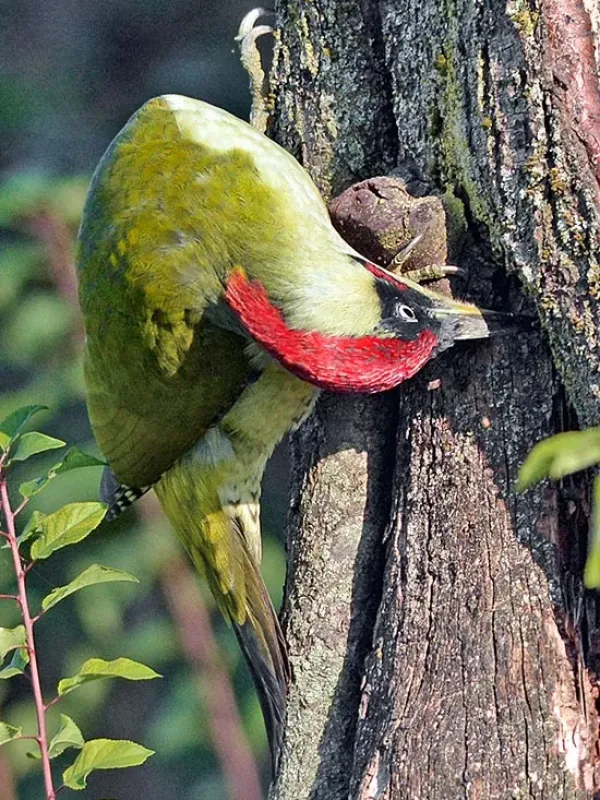
Description
How to identify
Woodpeckers (genus Picus) are specialized birds known for their ability to bore into tree trunks. In agricultural settings, they are often considered pests due to the structural damage they cause to orchard trees.
These birds possess powerful, chisel-like beaks and zygodactyl feet that provide a strong grip on vertical surfaces. Their presence is easily identified by their rhythmic drumming on wood as they hunt for prey.
Reproduction typically takes place in the spring, during which woodpeckers excavate nesting cavities. While they often target dying trees, they do not hesitate to drill into healthy specimens if suitable sites are scarce.
They play a complex role in ecosystems, but their activity can be devastating for commercial or ornamental fruit orchards. Their primary biological focus is finding wood-boring insects.
Understanding their behavior is essential for orchard management. High populations of wood-boring larvae in your trees act as a magnet for these birds, leading to increased damage.
What it damages
Fruit trees such as apples, pears, and cherries are primary targets. Woodpeckers cause damage by stripping away bark and excavating wood to feed on insects like borers and bark beetles.
This feeding activity often creates large wounds in the bark, disrupting the cambium layer. This interruption of nutrient flow can cause branch dieback or even the death of the entire tree.
Nesting cavities drilled into the trunk can compromise the structural integrity of the tree. Large holes create entry points for wood-rotting fungi and other pathogens that shorten the tree's lifespan.
Young trees are particularly susceptible to damage. Even minor drilling can cause significant stress, leaving the tree vulnerable to secondary infections or environmental damage.
Winter feeding habits are especially harmful as birds may strip bark from young shoots, leading to girdling. Girdling stops sap circulation, effectively killing the affected sections of the plant.
Signs of infestation
The most obvious signs are clusters of small, deep, circular holes on the trunk. These are often arranged in patterns and are accompanied by wood shavings at the base of the tree.
Visible wounds where the bark has been removed or shredded are common indicators. These areas often ooze sap, signaling the tree's attempt to heal the wound.
Branches that appear withered or have declining leaf growth above a drilled section often indicate that the internal vascular system has been damaged by woodpecker activity.
- Audible drumming sounds during early morning hours.
- Accumulated debris and wood chips on the ground.
- Visible nesting holes in the trunk or thick branches.
- Fungal growth or discoloration around old damage sites.
Persistent woodpecker activity will lead to a noticeable decline in tree vitality and an increased risk of long-term structural failure.
Control measures
Visual deterrents such as reflective tape, old CDs, or holographic wind chimes are effective at creating an environment that woodpeckers prefer to avoid.
Ultrasonic bird repellers that simulate predator calls can be highly effective. These should be moved periodically to prevent the birds from habituating to the sound.
Physically wrapping trunks with hardware cloth or plastic tree wraps prevents the birds from landing and accessing the bark, providing a reliable barrier for vulnerable saplings.
Integrated pest management is crucial; by controlling wood-boring insect populations, you remove the primary food source that attracts woodpeckers to your orchard.
Proper sanitation, including the removal of dead or rotting wood and the application of wound sealants to any exposed areas, will make your orchard significantly less attractive to woodpeckers.
Taxonomy
- Latin name
- Picus
- Family
- Picidae
- EPPO code
- PICUSP
Discussion
No discussions yet — be the first.