
Lesser spotted woodpecker
Dendrocopos minor
Description
How to identify
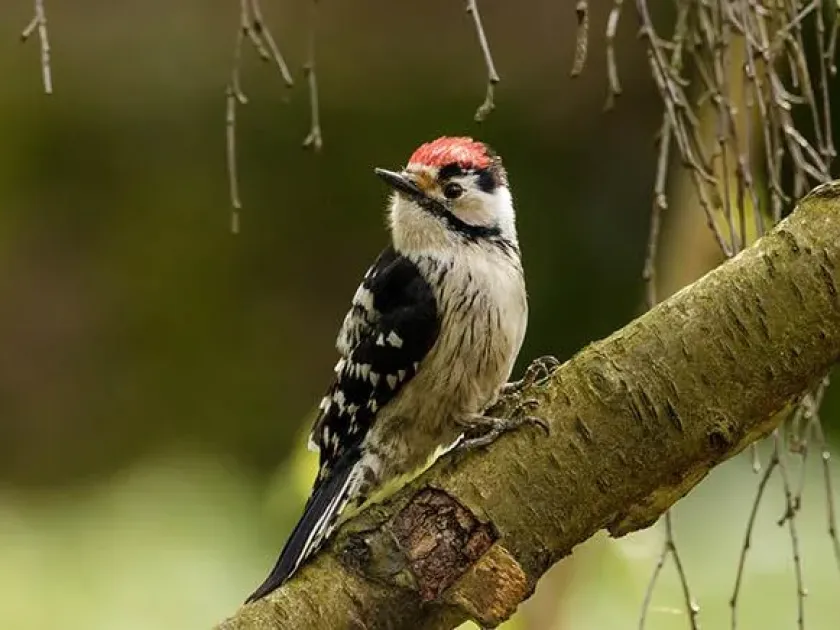
The lesser spotted woodpecker (Dendrocopos minor) is the smallest species within the Picidae family of the order Piciformes. It is about the size of a sparrow, characterized by its black-and-white plumage, with males displaying a distinct red patch on their crown.
Equipped with a slender but sharp beak, this bird specializes in foraging for insects within soft wood or underneath tree bark. While ecologically significant in forests, its behavior can pose challenges in orchard environments where it damages cultivated trees.
The life cycle of the bird involves nesting in cavities, which they often excavate in decaying or weakened wood. In commercial orchards, this habit can lead to significant damage to productive trees that are improperly maintained or harbor wood-boring larvae.
These birds are highly active throughout the year, especially during the spring breeding season and winter when food resources are scarce. Their ability to move rapidly along branches allows them to forage efficiently, often causing multiple small puncture wounds on a single tree.
Identification is aided by their distinct, high-pitched calls and rapid drumming sound, which is noticeably quieter than that of larger woodpecker species. Recognising these signals is the first step in assessing their presence and potential impact on your orchard.
What it damages
The primary damage caused by the lesser spotted woodpecker involves extensive pecking of the bark of fruit trees. By targeting larvae living beneath the surface, the bird creates numerous small holes that compromise the tree's vascular system.
Apple, pear, and stone fruit trees are particularly vulnerable, especially when they are already stressed by existing insect infestations or fungal diseases. The mechanical damage to the bark creates pathways for moisture, air, and opportunistic pathogens.
The resulting wounds often lead to bark shedding, exposing the inner layers of the tree to environmental stress. This increases the susceptibility of the tree to secondary infections, such as cankers, bacterial burns, and various wood-decaying fungi.
In winter, when insects are dormant, the birds may peck at twigs and small branches, causing them to dry out and die. In younger trees or nursery stock, such behavior can be highly detrimental, potentially killing the plant or severely stunting its growth.
Chronic visitation by the woodpecker degrades the tree's health over time, resulting in decreased yield and weakened structural integrity. While the damage from a single bird might seem minor, sustained activity over several seasons can cause significant economic losses.
Control measures
Effective management against the lesser spotted woodpecker relies on an integrated pest management approach. The most crucial strategy is to maintain tree health, as woodpeckers are primarily attracted to trees infested with wood-boring larvae.
Visual deterrents such as reflective tape, holographic devices, or silhouettes of raptors can discourage woodpeckers from frequenting the orchard. It is essential to reposition these deterrents regularly to prevent the birds from habituating to them.
Bioacoustic devices, which emit distress calls of birds or predatory sounds, have proven to be an effective deterrent in professional orchards. These systems should be used intermittently to maintain their effectiveness throughout the peak periods of bird activity.
Physical barriers, including wire mesh or protective netting around the trunks, can prevent the birds from accessing the bark directly. This method is highly recommended for young trees or high-value cultivars that are prone to woodpecker damage.
Proper orchard sanitation, including the removal of dead wood and the aggressive control of trunk-boring insects, is the most sustainable solution. By removing the bird's food source, you naturally make the orchard less attractive, reducing the likelihood of damage.
Taxonomy
- Latin name
- Dendrocopos minor
- Family
- Picidae
- EPPO code
- DENPMI
Discussion
No discussions yet — be the first.