
Pholus hawkmoth
Pholus
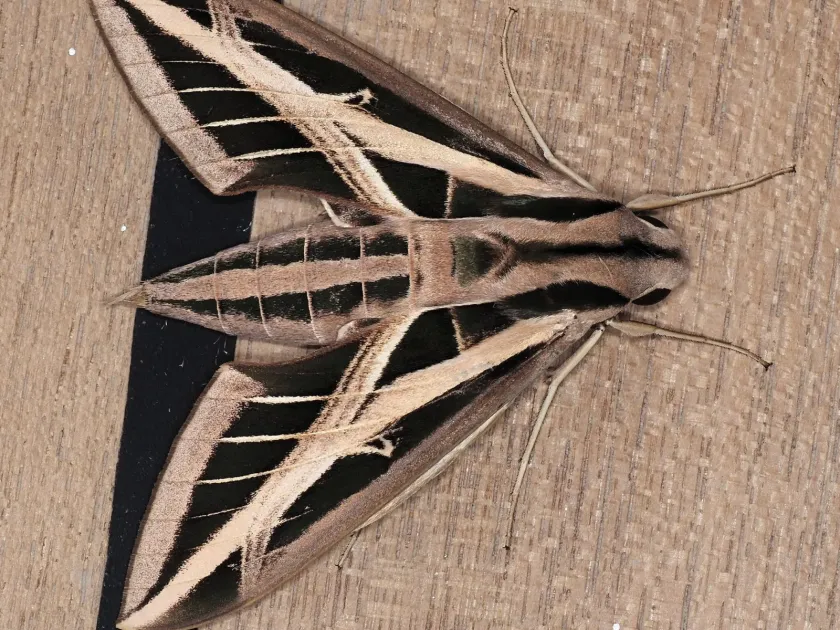
Description
How to identify
The Pholus hawkmoth (referring to species formerly in the genus Pholus, now often under Eumorpha) is a member of the Sphingidae family. These insects are recognized as large, powerful moths known for their exceptional flight capabilities.
The larvae, or caterpillars, are large and striking, typically featuring a distinct horn-like structure on the posterior end. Their coloration serves as effective camouflage against the leaves of their host plants.
As part of their life cycle, they undergo complete metamorphosis, which includes the egg, larval, pupal, and adult stages. They typically overwinter as pupae in the soil or beneath leaf litter near the host plant.
Adult moths are nocturnal and are vital pollinators for many night-blooming flowers. However, their voracious caterpillars are known to impact specific plant populations during their growth phase.
Depending on the latitude and climate, this moth can produce one or multiple generations annually, significantly influencing the potential impact on local vegetation and cultivated plants.
What it damages
The primary hosts for these caterpillars are members of the Vitaceae family, particularly cultivated grapevines. They are known to cause localized but severe defoliation of these plants.
Caterpillars consume large quantities of foliage, starting from the leaf margins and moving inward. In severe infestations, they can strip entire branches of leaves, hindering the plant's ability to perform photosynthesis.
Young vines and nursery stock are at the greatest risk, as the destruction of primary leaves and terminal buds can severely stunt the plant's growth and development.
Increased stress from defoliation can weaken the vines, making them more susceptible to subsequent environmental stresses and reducing the quality and quantity of the fruit crop.
Large caterpillars require substantial energy, which they obtain by rapidly clearing the canopy of host plants, leaving behind only the stems and leaf veins.
Signs of infestation
The most prominent sign of an infestation is the irregular, large-scale loss of leaf tissue, often appearing as if sections of the foliage have been neatly removed by large mandibles.
Accumulated frass (caterpillar droppings) on the ground underneath the vine or trapped within the canopy is a clear indicator of the presence of feeding larvae.
A closer inspection of the stems during the evening often reveals the caterpillars themselves, as they are most active during the night and tend to remain stationary during the day.
The presence of the characteristic horn on the tail of the caterpillar is the most reliable feature to confirm the identification of this specific type of sphinx moth larva.
Look for signs of missing foliage on specific branches rather than generalized damage, as caterpillars often finish consuming one leaf before moving to the next adjacent one.
Control measures
Hand-picking the caterpillars is highly effective for small gardens or hobby vineyards. This is best accomplished during the evening hours when the larvae are actively feeding.
Cultural control methods include tilling or disturbing the soil around the base of the vines during late autumn or early spring to destroy the pupae overwintering in the ground.
Biological control, using Bacillus thuringiensis or other insecticidal bacteria, is a highly recommended and environmentally friendly method for managing large larval populations.
Chemical intervention should be considered a last resort. If necessary, select products labeled for caterpillars and strictly adhere to pre-harvest intervals to ensure food safety.
- Regular scouting of vines during the growing season.
- Removal of alternative host plants like wild grape or ivy nearby.
- Encouraging natural predators such as birds and beneficial parasitic wasps.
Taxonomy
- Latin name
- Pholus
- Order
- Lepidoptera (butterflies)
- Family
- Sphingidae
- EPPO code
- POLUSP
Discussion
No discussions yet — be the first.