
Pheosia (moth genus)
Pheosia
Description
How to identify
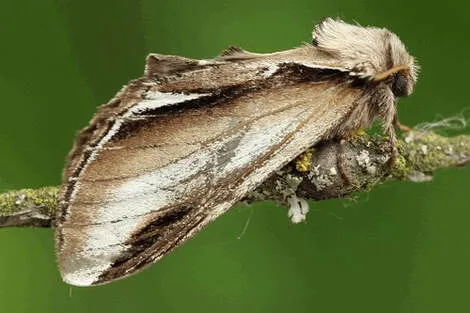
Pheosia is a genus of moths belonging to the family Notodontidae. These nocturnal insects are commonly known for the distinct tuft of scales on the inner margin of their forewings, which resembles a crest when the moth is at rest.
Adult moths typically have a wingspan ranging from 40 to 60 mm. Their coloration is usually a blend of grey, brown, and white, providing excellent camouflage against tree bark during the daylight hours.
The larvae, or caterpillars, are characterized by their robust bodies and a prominent hump on the final abdominal segment. They often exhibit cryptic coloration to blend in with the leaves and twigs of their host plants.
These moths are primarily found throughout the temperate regions of the Northern Hemisphere, with several species specializing in specific host tree genera.
Their life cycle consists of four distinct stages: egg, larva, pupa, and adult. The majority of species overwinter in the pupal stage, usually hidden within the soil or amongst leaf litter.
What it damages
The caterpillars of the Pheosia genus are significant leaf-feeding pests. They consume foliage from various deciduous trees and shrubs, often causing noticeable thinning of the canopy.
Favored host plants include birch, willow, poplar, and alder. In some cases, they may also target fruit trees, especially in nurseries or home orchards where host density is high.
Damage begins at the leaf margins, with caterpillars progressively consuming the entire leaf blade, leaving only the primary veins behind in severe infestations.
Young trees and saplings are particularly susceptible, as extensive defoliation stunts growth and depletes the energy reserves required for the tree to survive the winter.
Persistent feeding throughout the summer months can lead to weakened tree health, making the plants more vulnerable to secondary stressors like drought or disease.
When it appears
Adult moths emerge in late spring, typically from May to June, coinciding with the period of leaf flush for most deciduous tree species.
Larval development takes place during the summer months, with active feeding occurring from June through August. This is the period when the pests are most visible in the canopy.
Depending on the specific species and local climate, Pheosia may produce one or two generations per year, extending the period of potential damage into early autumn.
Favorable weather conditions, such as warm and moderately humid springs, generally lead to higher survival rates for eggs and early-stage larvae.
Pupation occurs as summer wanes. The pupae descend to the ground or seek shelter in bark crevices and leaf debris to enter diapause for the duration of the winter.
Signs of infestation
The most reliable sign of a Pheosia infestation is the presence of uneven, ragged edges on leaves, indicating active feeding by caterpillars.
Accumulation of caterpillar droppings, known as frass, on the leaves below or on the ground around the base of the tree is a strong indicator of an active population.
While caterpillars are masters of camouflage, they can often be spotted on the undersides of leaves or along leaf stems during the cooler parts of the day.
In cases of significant damage, branches may appear partially defoliated, with the overall density of the tree crown visibly reduced compared to healthy counterparts.
Increased activity of predatory birds near specific trees can also alert gardeners to the presence of a caterpillar population feeding in the canopy.
Control measures
Effective control strategies focus on integrated pest management (IPM) to minimize damage while maintaining the health of the garden ecosystem.
Biological control using microbial insecticides, such as products containing Bacillus thuringiensis, is highly effective against caterpillars while remaining safe for beneficial insects.
Chemical control may be necessary in nurseries or severe infestations, involving the application of registered insecticides during the early larval stages.
Cultural practices, including the removal and disposal of infested leaf litter and the cultivation of soil around tree bases, help disrupt the pupation cycle.
- Regular monitoring of tree foliage for early signs of leaf-margin feeding.
- Manual removal of caterpillars from small trees and ornamental shrubs.
- Encouraging natural predators such as insectivorous birds and parasitic wasps.
- Autumn soil cultivation to expose and destroy overwintering pupae.
Taxonomy
- Latin name
- Pheosia
- Order
- Lepidoptera (butterflies)
- Family
- Notodontidae
- EPPO code
- PHEOSP
Discussion
No discussions yet — be the first.