
Silver-striped prominent
Phalera bucephaloides
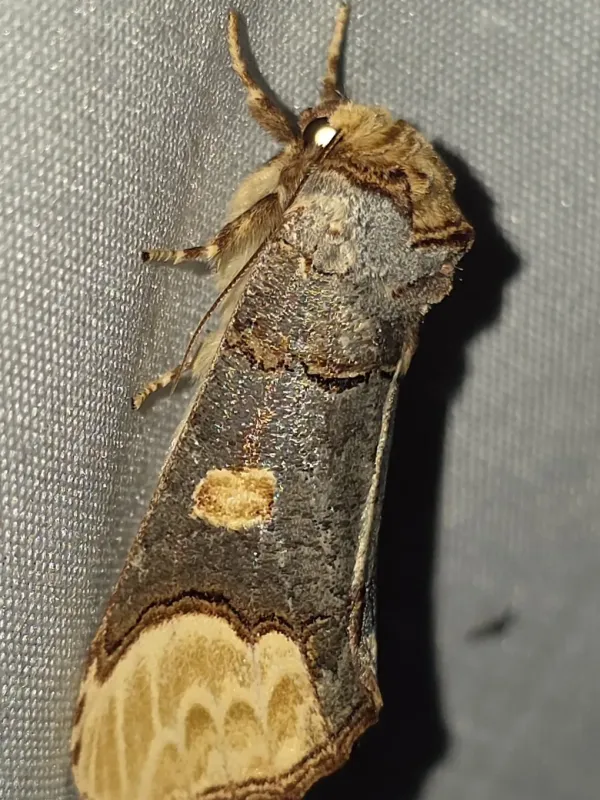
Description
How to identify
The silver-striped prominent Phalera bucephaloides is a moth belonging to the family Notodontidae. These moths are characterized by their cryptic coloration, which provides excellent camouflage against tree bark.
Adults have a wingspan typical for the genus Phalera, with greyish-brown forewings that feature patterns resembling wood grain or broken twigs.
The larvae, or caterpillars, are the stage responsible for agricultural damage. They possess a distinct body shape often decorated with bumps and tubercles to mimic plant parts.
The species typically undergoes a complete metamorphosis: egg, larva, pupa, and adult. Its life cycle is synchronized with the phenology of its host plants.
These moths are primarily nocturnal, remaining sedentary during the day, which makes their detection difficult without dedicated monitoring efforts.
What it damages
This pest mainly targets deciduous trees within the Rosaceae family. Common hosts include apple, pear, plum, and cherry trees found in orchards and gardens.
Larvae cause damage by feeding on foliage. Early instars typically skeletonize the leaves, while later instars consume the entire leaf lamina, leaving only the primary veins.
Heavy infestations can result in total defoliation of branches or entire young trees, which significantly inhibits the tree's ability to produce energy through photosynthesis.
Consistent loss of foliage over several seasons leads to tree stress, reduced fruit yield, and increased vulnerability to cold winter temperatures and secondary pests.
The cosmetic and physiological damage to the tree canopy can negatively impact the overall health and aesthetics of the orchard.
When it appears
The flight period of the adult moth usually occurs in mid-summer. Females deposit eggs in clusters, typically on the underside of leaves to protect them from predators.
Caterpillars emerge and begin feeding during the peak of the growing season, often when the tree foliage is fully developed and most nutritious.
By late summer or early autumn, the larvae complete their development, descend from the tree, and pupate in the soil or leaf litter.
The pupal stage is the overwintering form for the species, remaining in the soil until the environmental cues of spring and summer trigger adult emergence.
The exact timing of the life cycle can vary based on regional climate, with warmer environments potentially supporting faster development cycles.
Signs of infestation
Early detection is crucial for control. A primary sign is the presence of gregarious groups of young caterpillars feeding together on the undersides of leaves.
Visible frass (droppings) on the leaves below feeding sites is a reliable indicator that an active population of larvae is present in the canopy.
- Partial or total consumption of leaf blades.
- Presence of distinctive caterpillars with tubercles or colorful markings.
- Visible defoliated branches within the tree canopy.
- Clusters of frass on lower leaves.
- Silky webbing, depending on the instar and species-specific behavior.
Careful inspection of the tree during the summer months is recommended, particularly focusing on areas where the canopy appears thinner than usual.
The presence of adults around porch lights at night can serve as an early warning for potential infestation in nearby orchards.
Control measures
Mechanical control, such as hand-picking groups of caterpillars during their early life stages, is the safest and most effective method for small-scale gardens.
Biological insecticides, specifically those containing Bacillus thuringiensis, are highly effective against larval stages while minimizing impact on beneficial insects.
Chemical applications should be reserved for severe infestations and applied according to local agricultural guidelines to avoid negative effects on pollinators.
Cultural practices, including fall cultivation of the soil under the tree canopy, help disrupt the pupation sites and reduce the number of emerging moths the following season.
Encouraging biodiversity in the orchard by providing habitats for birds and predatory insects will help keep the pest population naturally suppressed.
Taxonomy
- Latin name
- Phalera bucephaloides
- Order
- Lepidoptera (butterflies)
- Family
- Notodontidae
- EPPO code
- PHALBC
Discussion
No discussions yet — be the first.