
Perichares philetes
Perichares philetes
Description
How to identify
Perichares philetes is a butterfly species belonging to the Hesperiidae family, widely recognized as a significant pest of palm species in tropical regions.
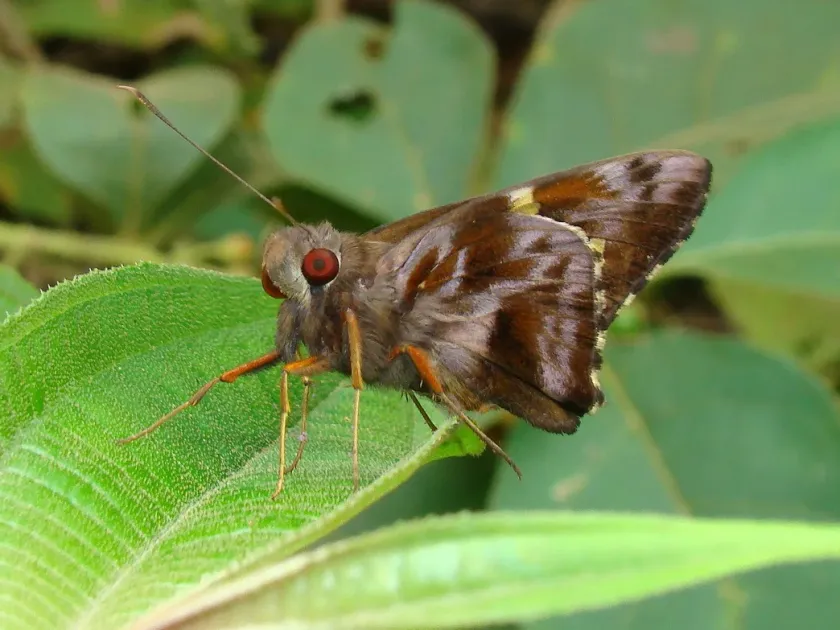
Adult butterflies are typically dark brown with distinctive semi-transparent patches on their wings, facilitating camouflage in shadowed foliage.
The larval stage is the primary destructive phase, characterized by caterpillars that grow to a significant size while feeding on host plant leaves.
Caterpillars feature protective coloration, often greenish or brownish, which helps them blend into the foliage of their host plants seamlessly.
Pupation occurs within leaf shelters, where the larvae construct protective casings using silk, ensuring safety during their metamorphosis.
What it damages
The primary hosts for Perichares philetes are various species of the Arecaceae family, particularly coconut and ornamental palms.
Agricultural damage is manifested by the consumption of leaf tissue, which reduces the photosynthetic area of the plant significantly.
Severe infestations on palm plantations can lead to stunted growth in young trees and reduced yields in mature, fruit-bearing specimens.
Beyond palms, the larvae have occasionally been reported as pests of sugarcane, highlighting their potential impact on diverse agricultural settings.
Continuous feeding cycles throughout the year in favorable climates allow for repeated damage to the host canopy.
Signs of infestation
The most prominent sign of infestation is the presence of rolled or folded leaves, which the larvae use as protective nests.
Leaf margins show irregular chewing patterns and skeletonization, caused by the voracious feeding habits of the late-stage caterpillars.
Frass (larval excrement) is often visible on the lower leaves or near the base of the plant, serving as an indicator of pest presence.
In cases of heavy infestation, the leaves may turn brown and wither prematurely, leading to a scorched appearance of the palm canopy.
Physical inspection of the underside of the leaves often reveals the presence of larvae or the silk-lined tunnels they construct.
Control measures
Integrated Pest Management (IPM) is essential for controlling Perichares philetes, starting with regular field monitoring.
Biological control using Bacillus thuringiensis sprays has proven highly effective in targeting larvae without harming beneficial insects.
Mechanical removal and destruction of heavily infested leaf segments can significantly curb the population of the pest in smaller settings.
Encouraging natural predators and parasitoids in the plantation environment creates a balanced ecosystem that suppresses outbreaks.
Chemical applications should be reserved for high-threshold outbreaks and must follow strictly regulated safety guidelines for palm cultivation.
Taxonomy
- Latin name
- Perichares philetes
- Order
- Lepidoptera (butterflies)
- Family
- Hesperiidae
- EPPO code
- PRCHPH
Discussion
No discussions yet — be the first.