
Pentastiridius leporinus
Pentastiridius leporinus
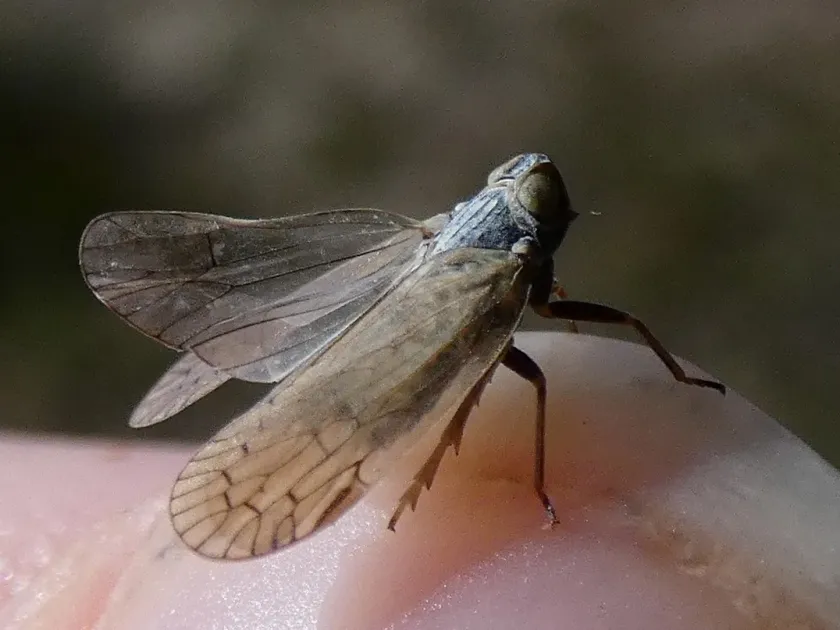
Description
How to identify
Pentastiridius leporinus is a member of the Cixiidae family within the order Hemiptera, recognized primarily as a significant vector of plant pathogens.
The adult insect typically measures between 5 and 7 millimeters in length, possessing a brownish body and wings that are held in a tent-like position.
Due to their small size and agile jumping behavior, these insects are often overlooked by farmers during routine field inspections unless specific trapping methods are used.
The nymphal stages are entirely soil-dwelling, feeding on the roots of host plants, which makes them particularly difficult to detect through visual observation.
Proper identification requires professional expertise or the use of yellow sticky traps placed at the field edges to monitor the arrival and density of the pest.
What it damages
This species is notorious for damaging sugar beet crops, acting as the primary vector for the bacteria responsible for SBR (syndrome of low sugar content).
The damage caused by this pest goes beyond direct feeding; it involves the systemic transmission of phytoplasmas into the vascular tissues of the sugar beet plant.
Once infected, the plants suffer from physiological stress, leading to stunted root growth and a significant reduction in sucrose accumulation during the season.
In addition to sugar beets, the insect can colonize various wild grasses and herbaceous plants, creating persistent reservoirs of infection near arable land.
The rapid spread of the pathogen by adult hoppers means that even low-density infestations can result in widespread economic losses across a field.
When it appears
The life cycle of Pentastiridius leporinus is highly dependent on soil temperature, which triggers the emergence of the first generation of adults in late spring.
Peak population levels typically occur throughout the summer months, with adults moving between host plants to feed and lay eggs in the soil.
As the season progresses, the development of nymphs continues underground, where they are protected from environmental fluctuations and many contact insecticides.
Cooler weather towards the end of autumn signals the transition to overwintering stages, where the insect remains dormant in the soil layers.
Effective management requires understanding these temporal patterns to time insecticide applications accurately when the adults are most active on the foliage.
Signs of infestation
Infection symptoms caused by the pathogen transmitted by this pest often manifest as distinct yellowing of the leaves, starting from the leaf edges.
As the disease progresses, the entire leaf rosette may turn yellow or reddish, and the plant shows signs of severe physiological distress and wilting.
- Chlorosis at the leaf margins.
- Distortion and curling of leaves.
- Reduced root size compared to healthy specimens.
- Premature senescence of older leaves.
It is crucial to differentiate these symptoms from nutritional deficiencies, as the spread of the pathogen requires specific containment measures rather than fertilizer.
Early diagnosis of these signs is vital, as infected plants become permanent sources of inoculum for the rest of the field if they are not managed promptly.
Control measures
Control of this pest is centered on minimizing the population of the vector through integrated pest management strategies tailored to the crop cycle.
Eliminating host weeds in the surrounding areas is a critical preventative measure to reduce the initial influx of planthoppers into the sugar beet fields.
Systemic insecticides are the most effective tool to prevent the transmission of phytoplasmas, as they target the insect before it can feed extensively.
Crop rotation remains a fundamental practice, as it prevents the buildup of soil-bound populations of the pest in the same area over multiple years.
Regular monitoring using sticky traps allows farmers to determine the economic threshold and apply chemical interventions only when strictly necessary.
Taxonomy
- Latin name
- Pentastiridius leporinus
- Order
- Hemiptera (bugs, aphids, leafhoppers)
- Family
- Cixiidae
- EPPO code
- PNSTLE
Discussion
No discussions yet — be the first.