
Parnara naso
Parnara naso
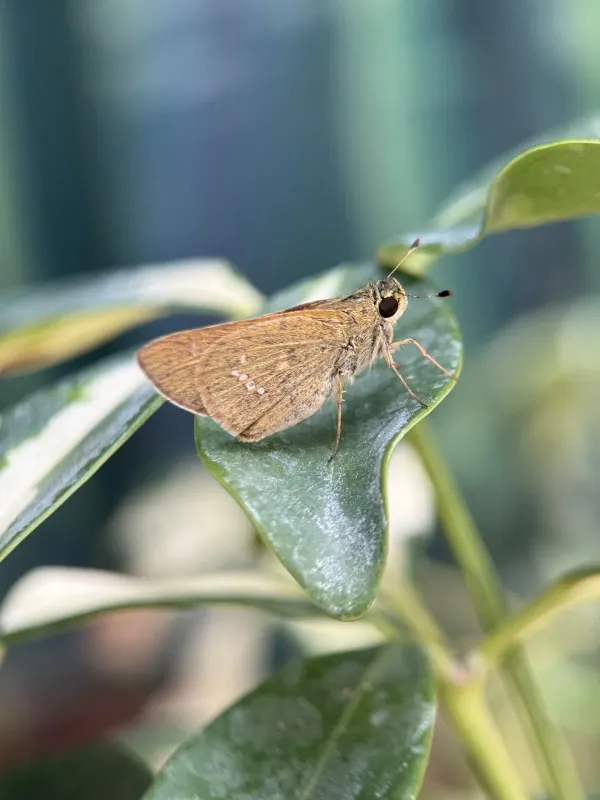
Description
How to identify
Parnara naso is a butterfly species belonging to the family Hesperiidae (commonly known as skippers) and the order Lepidoptera. Adults are recognized by their swift, darting flight and dark brown wings adorned with distinct translucent spots.
The larvae, or caterpillars, are typically green with a well-developed head, providing excellent camouflage while feeding on the leaves of host plants. They undergo several instars of development, growing significantly before reaching the pupal stage.
This species thrives in tropical and subtropical climates, where temperatures and humidity support multiple generations per year. The life cycle involves complete metamorphosis, including egg, larva, pupa, and adult stages.
Adult butterflies are diurnal, showing peak activity during sunny conditions. Their presence in agricultural fields often precedes an infestation, as females actively seek suitable host plants for oviposition.
Correct identification is essential, as other skipper species might share similar habitats. Field scouts should focus on identifying the specific wing patterns and the larval behavior unique to this species.
What it damages
The primary agricultural importance of Parnara naso lies in its status as a pest of rice (Oryza sativa). Caterpillars cause direct economic loss by consuming large quantities of leaf tissue during the vegetative growth phase.
Besides rice, the larvae feed on various grass species (family Poaceae), including wild millet and common sedge. This allows the population to survive in field margins and irrigation ditches even when the main crop is absent.
Larval feeding creates jagged edges on the leaves and can result in significant defoliation. In severe cases, the photosynthetic efficiency of the crop is drastically reduced, leading to stunted plant growth.
Damage to the leaf structure also compromises the plant's ability to fill grain heads properly. This results in reduced yield and lower grain quality, impacting the profitability of the rice farming operation.
- Rice (primary host)
- Millet species
- Wild grasses and sedges
- Various ornamental grasses
Signs of infestation
A telltale sign of a Parnara naso infestation is the presence of rolled leaves. Caterpillars use silk to fold or roll leaves, creating a protective shelter where they feed and reside during the day.
Irregular, notched feeding patterns on leaf edges are highly visible indicators of larval activity. If observed early, these patterns can help localize the treatment area to prevent wider infestation.
Frass (larval excrement) found on leaves or at the base of the rice plants provides further evidence of an active population. Frequent inspection of the underside of leaves can reveal young larvae.
Adult sightings flying erratically over rice fields are a warning signal. Growers should monitor these adult flights to predict the onset of the next generation of damaging caterpillars.
Regular field scouting, particularly at the tillering stage of rice, is necessary to determine the density of the pest and the timing of appropriate management interventions.
Control measures
Integrated Pest Management (IPM) is the most effective approach. Cultural controls include maintaining clean field borders and eliminating alternative weed hosts that harbor the larvae between seasons.
Post-harvest plowing of fields helps destroy pupae residing in plant debris or the soil surface, effectively reducing the population base for the following planting season.
When chemical control is necessary, insecticides targeting lepidopteran larvae should be applied according to regional regulations. Rotating products with different modes of action is critical to prevent resistance development.
Biological control agents, including various species of parasitic wasps and predatory insects, play a key role in keeping populations in check naturally within the ecosystem.
Using light traps to monitor adult population trends assists in accurate timing for intervention, ensuring that treatments are applied when they are most effective and least environmentally damaging.
Taxonomy
- Latin name
- Parnara naso
- Order
- Lepidoptera (butterflies)
- Family
- Hesperiidae
- EPPO code
- PARNNA
Discussion
No discussions yet — be the first.