
Parakontikia
Parakontikia
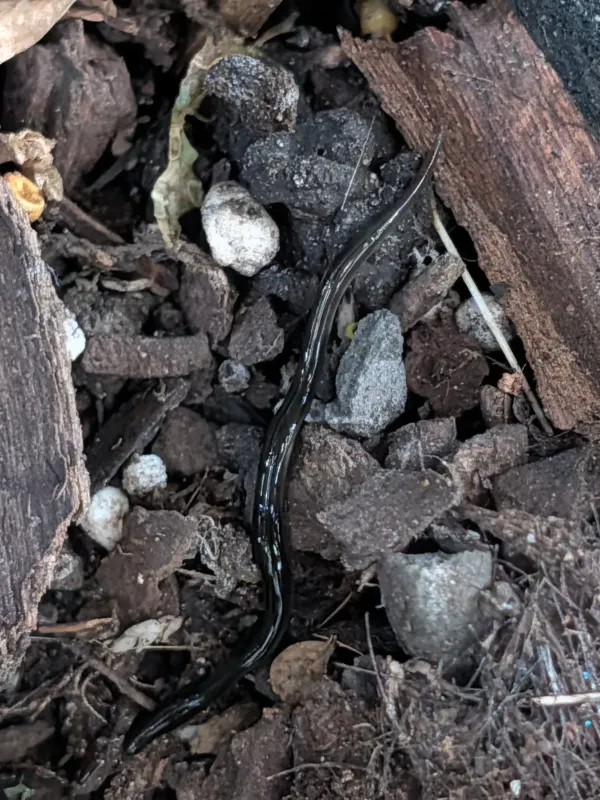
Description
How to identify
Parakontikia is a genus of terrestrial flatworms belonging to the Geoplanidae family, known for their predatory behavior within the soil ecosystem.
These organisms possess an elongated, dorso-ventrally flattened body that is typically covered in a thick layer of mucus, aiding in movement and hydration.
Coloration usually ranges from dark brown to black, often featuring distinct longitudinal stripes on the dorsal side that distinguish them from other flatworms.
They are primarily nocturnal and highly sensitive to light, which explains why they are rarely seen by gardeners during the sunny daylight hours.
Identifying them involves checking under moist containers, rocks, or mulch in the early morning, where they hide to escape desiccation.
What it damages
The primary concern regarding Parakontikia is their role as predators of earthworms, which are essential for maintaining soil structure and fertility.
By preying on earthworms, they disrupt the natural biological processes of soil aeration, nutrient cycling, and organic matter breakdown within the root zone.
In greenhouses and nursery environments, the depletion of earthworm populations can lead to soil compaction and reduced plant vigor over time.
While they do not consume plant roots or foliage directly, their impact on the soil's trophic structure makes them an unwanted presence in organic farming.
The damage is systemic rather than mechanical, affecting the long-term health and productivity of the garden soil by destroying beneficial decomposers.
When it appears
Their activity is strictly regulated by moisture availability and ambient temperature, with high activity during rainy or consistently damp conditions.
Spring and autumn are the peak periods for observation, as the moderate temperatures and increased rainfall provide ideal conditions for their movement.
During dry summers or periods of low humidity, they retreat into deep soil crevices or stay underground to survive harsh environments.
In sheltered or indoor settings such as greenhouses, they can maintain activity levels throughout the entire year if irrigation is kept constant.
The most visible activity occurs during cloudy weather or at night, when the threat of drying out is lowest for these moisture-dependent organisms.
Signs of infestation
A primary indicator of a Parakontikia infestation is the unexplained decline or total absence of earthworms in established garden beds or compost piles.
The presence of sticky mucus trails on pots, stone surfaces, or soil crusts is a clear sign that these predators have been active in the immediate area.
Observing the flattened, striped bodies of the worms when moving pots or bricks in damp locations confirms their presence and colony establishment.
Soil that appears unnaturally compacted and lacks the crumbly structure usually maintained by earthworm activity may also signal a disruption caused by predators.
Any discovery of partially consumed earthworms or remains in moist soil conditions is a high-confidence sign of Parakontikia predation.
Control measures
Managing this pest requires effective moisture control, specifically by avoiding the over-saturation of soil surfaces in greenhouses and gardens.
Regular cultivation and loosening of the topsoil layers can disturb their habitats and expose them to unfavorable conditions, effectively reducing their population.
Creating dry barriers around sensitive beds using coarse sand or gravel can prevent the flatworms from migrating across the surface to reach new areas.
Sanitation is paramount; always inspect new potting soil or imported compost for signs of the pests before introducing them into a clean growing environment.
While biological control options are currently limited, maintaining healthy plant diversity and diverse soil life can mitigate the impact of localized outbreaks.
Taxonomy
- Latin name
- Parakontikia
- Family
- Geoplanidae
- EPPO code
- PKONSP
Discussion
No discussions yet — be the first.