
New Zealand flatworm
Arthurdendyus australis
Description
How to identify
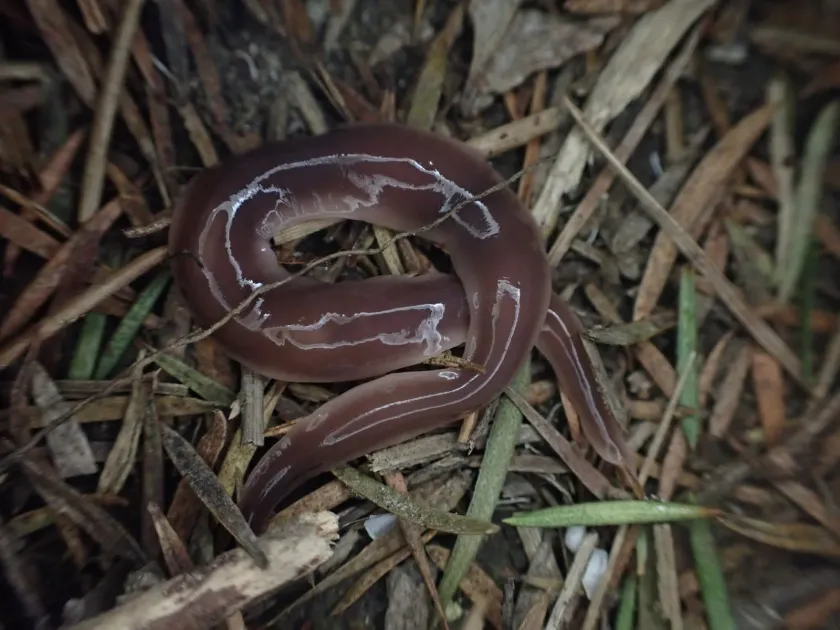
The New Zealand flatworm (Arthurdendyus australis) belongs to the phylum Platyhelminthes, order Tricladida, and family Geoplanidae. It is a predatory land flatworm that can reach lengths of 15 to 20 cm when fully extended.
The body is characteristically flattened and elongated. The dorsal surface is typically dark brown or black, while the ventral side is usually lighter, appearing cream or yellowish in color.
Its head region is equipped with multiple small eyespots along the margin. The entire surface of the body is coated in a sticky mucus layer, which facilitates movement and prevents desiccation in dry conditions.
Reproduction involves laying egg capsules. These capsules are smooth, shiny, and black, often resembling small berries or seeds, making them easily overlooked in garden soil or potting mixes.
These creatures are nocturnal and highly secretive, preferring damp, sheltered environments such as the undersides of stones, logs, or plastic plant pots where they remain protected from the sun.
What it damages
The primary damage caused by Arthurdendyus australis is the systematic eradication of earthworm populations. By preying on earthworms, they destroy the natural soil aeration and nutrient cycling process.
As earthworms disappear, the soil becomes compacted and loses its structure. This compaction negatively affects the growth of plant roots, leading to reduced vitality and stunted development in both ornamental and vegetable crops.
This species is highly invasive and can rapidly dominate a local ecosystem. In severe infestations, it can lead to a near-total loss of soil-dwelling invertebrates, causing long-term ecological imbalance.
Nurseries are particularly vulnerable, as the worm can be easily transported via containerized plants, spreading the pest to new gardens and regions that were previously unaffected.
Because they do not consume plant tissues directly, damage is often underestimated until the soil health begins to fail, at which point the population of the flatworm is usually already well-established.
When it appears
The activity of the New Zealand flatworm is heavily dependent on moisture and moderate temperatures. They are most active during prolonged wet spells when soil surface humidity remains consistently high.
During hot or dry summer periods, these flatworms retreat into deeper soil layers or dense cover to avoid dehydration. Their metabolic activity significantly slows down when environmental conditions are unfavorable.
Spring and autumn are the peak periods for reproduction and surface activity. This is when the laying of egg capsules is most frequent, especially in damp, shaded areas of the garden.
In greenhouses and indoor growing environments, where humidity is regulated and the temperature remains stable, the flatworm can maintain high levels of activity throughout the entire year.
Mass sightings of adult flatworms on the surface usually occur during or immediately after heavy rainfall, which allows them to travel across the soil surface without the risk of drying out.
Signs of infestation
The most reliable sign of an infestation is a sudden and drastic decline in earthworm activity. If digging in your garden yields no earthworms where they were previously abundant, a flatworm presence is likely.
Locating the characteristic black, shiny egg capsules under pots, garden debris, or stones is a definitive indicator that a breeding population is present in your garden.
Slimy, mucous trails left on surfaces such as patio slabs or soil after rain are tell-tale signs of movement. These trails are similar to those left by slugs but often appear in more sheltered locations.
While the flatworms do not leave visible bite marks on leaves, plants may show signs of stress, such as yellowing foliage or lack of vigor, which are symptomatic of degraded soil conditions.
If you encounter an adult specimen during routine gardening tasks, it is critical to contain the area, as these worms are highly mobile and spread easily through human activity and plant movement.
Control measures
Strict quarantine measures are the most effective defense. Always inspect the drainage holes and root balls of any new plants brought into your garden to ensure no flatworms or their capsules are present.
Manual collection remains the most practical method for individual gardeners. Collected flatworms should be placed in a sealable container with salt water or alcohol to ensure they are destroyed.
Maintaining a clean garden by removing unnecessary debris, logs, and stagnant pots reduces the number of hiding spots available, making the environment less hospitable for the flatworms.
Regular soil cultivation helps disrupt their habitats, exposing the worms to predators and sunlight, which can significantly reduce the local population density over time.
There are currently no chemical pesticides approved for widespread control of this species, making preventative monitoring and physical removal the gold standard for managing the threat.
Taxonomy
- Latin name
- Arthurdendyus australis
- Family
- Geoplanidae
- EPPO code
- ARDDAU
Discussion
No discussions yet — be the first.