
Australoplana
Australoplana
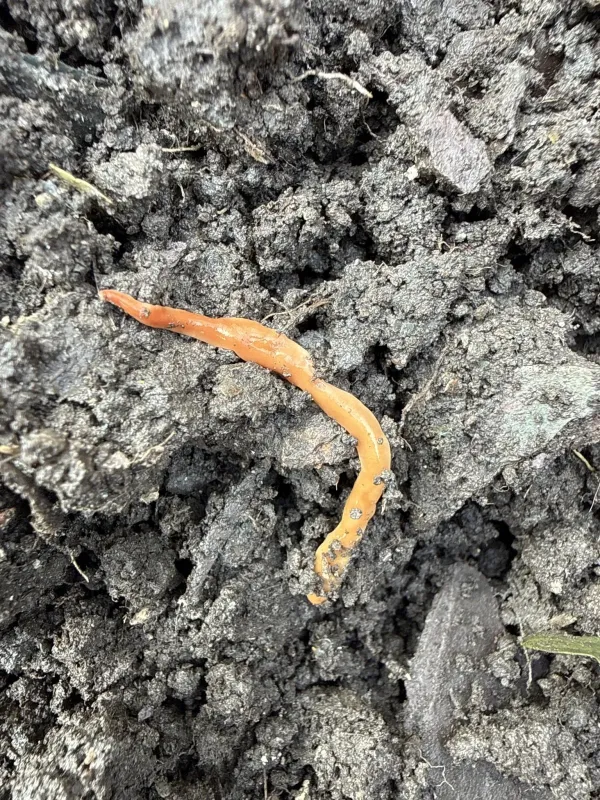
Description
How to identify
Australoplana is a genus of terrestrial predatory flatworms belonging to the Geoplanidae family. They resemble small slugs but have a distinct flattened, shell-less body covered in mucus.
The coloration of adults varies from brown to almost black, often featuring longitudinal stripes or mottling. In a resting state, these worms typically measure between 2 and 5 centimeters in length.
They move by contracting a muscular ventral disc, leaving behind a thin, barely visible trail of mucus secretion.
To identify the species, it is essential to observe the shape of the anterior end, which is generally rounded, and the arrangement of numerous small eyespots along the head margins.
Biologically, these organisms are hermaphrodites capable of intensive reproduction whenever there is sufficient moisture in the soil layer.
What it damages
The primary damage caused by Australoplana is not the consumption of plant tissue, but the decimation of beneficial soil fauna, particularly earthworms.
By eliminating earthworm populations, this pest indirectly hinders the development of crops, as the soil loses its natural aeration and fertility.
In greenhouses and nursery settings, Australoplana may pose a threat to young seedlings and sprouts, damaging root systems when their primary food source is scarce.
Indirect harm includes the disruption of the soil's biological balance, which leads to stunted plant growth and an increased susceptibility to secondary infections.
The lack of natural predators in many regions allows them to act as aggressive colonizers, quickly establishing themselves in gardens, parks, and commercial nurseries.
When it appears
The activity of Australoplana is directly dependent on humidity levels and environmental temperature, showing the highest activity during rainy seasons.
In spring and autumn, when the soil is saturated with moisture, the worms move to the upper soil layers and become highly active in searching for prey.
During dry summer periods, they tend to migrate into deeper soil layers or hide beneath stones, pots, and moist garden debris.
They are capable of surviving winter in temperate latitudes by remaining in the egg-capsule stage, which exhibits high resistance to temperature fluctuations.
Peak damage occurs during periods of high humidity, when the worms can emerge onto the soil surface even during daylight hours.
Signs of infestation
The main indicator of an infestation is a sharp decline in the earthworm population and the absence of earthworm casts on the soil surface.
The presence of specific mucus trails on pots, trays, or the lower stems of plants serves as clear evidence of predatory worm movement.
Upon inspecting the soil under mulch or garden covers, one can often find the individuals themselves, coiled in characteristic rings or spirals.
The discovery of dense brown or black egg capsules (cocoons), measuring up to 3-5 mm in the substrate, indicates an active breeding site.
The presence of these predators is often accompanied by the overall decline of plant health, as the plants lose turgor due to the degradation of soil structure.
Control measures
The most effective method involves manual collection of the pests in the evening or after irrigation, followed by disposal in a salt or alcohol solution.
Strict control over the movement of potted plants and soil substrates is necessary, as these are the primary vectors for transporting the pest's cocoons.
The use of broad-spectrum chemical pesticides is limited, as they are often detrimental to the beneficial soil biota required for plant health.
Limiting moisture in the root zone and removing organic debris, where worms create shelters and nesting sites, yields good control results.
- Regularly inspect the bottom of containers and pots.
- Implement quarantine measures for all new plants.
- Maintain high levels of biological diversity in the soil.
Taxonomy
- Latin name
- Australoplana
- Family
- Geoplanidae
- EPPO code
- AUSPSP
Discussion
No discussions yet — be the first.