
Blue garden flatworm
Caenoplana coerulea
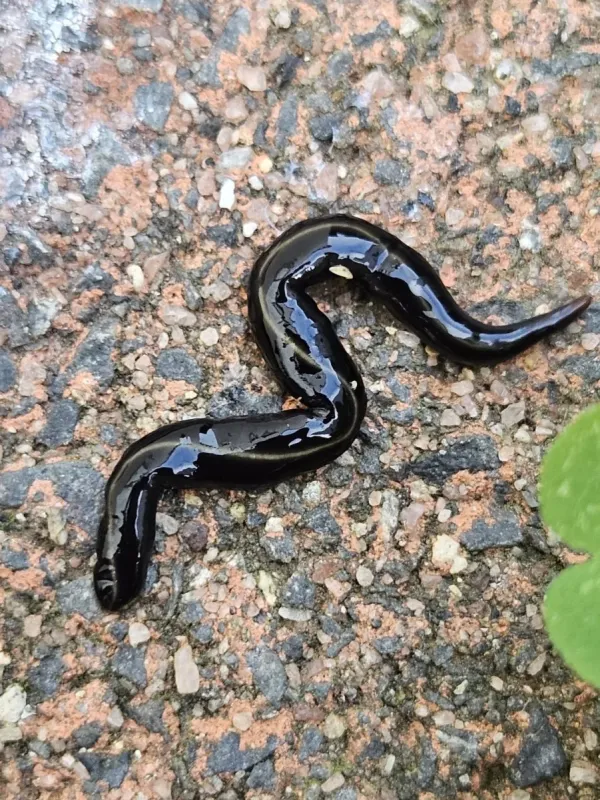
Description
How to identify
The blue garden flatworm is a predatory flatworm characterized by an elongated body measuring 8–12 cm in length. Its most distinct feature is a vibrant blue or deep purple color with a thin, lighter stripe running along the center of its back.
The body of this pest is highly flexible and flattened, capable of stretching significantly during movement. When at rest, the flatworm often contracts into a small lump of slime, making it difficult to detect upon casual inspection.
Lacking a rigid skeleton, the organism moves via microscopic cilia covering its ventral surface. As it moves, it secretes a trail of mucus, leaving a shiny, reflective residue on the surfaces it traverses.
As a predator, it is frequently found in moist potting soils, greenhouses, and garden debris. While it does not consume plant tissues directly, it drastically alters the soil's biological composition.
Classified under the phylum Platyhelminthes and family Geoplanidae, its entire life cycle is strictly dependent on high humidity, as it is prone to rapid dehydration and death in dry conditions.
What it damages
The primary damage caused by the blue garden flatworm is the destruction of earthworm populations. Earthworms are essential for soil aeration and nutrient cycling, and their absence leads to rapid degradation of soil structure in pots and garden beds.
Furthermore, these flatworms prey on other beneficial soil invertebrates and larvae that contribute to organic matter decomposition. This disruption slows down the natural nutrient uptake process for ornamental crops.
The slime secreted by the flatworm creates a hospitable environment for pathogenic bacteria and fungi. Continuous contamination of the root zone with this mucus can trigger root rot in sensitive ornamental plants.
Mass infestations in protected cropping environments lead to stunted growth. Plants often exhibit signs of distress because the natural balance of the root zone is compromised by the loss of beneficial microfauna.
The destruction of the soil's biological structure makes the substrate overly compact, preventing proper air and water infiltration, which is detrimental to the health of most container-grown plants.
When it appears
The activity of the flatworm is directly linked to the moisture levels of the soil and air. They are most active during periods of prolonged rainfall or excessive irrigation in greenhouse environments.
The optimal temperature range for their survival and reproduction is between +15 and +22 degrees Celsius. When humidity drops or temperatures rise significantly, flatworms retreat deep into the soil or find cool, damp shelters.
In greenhouses and conservatories, this pest can remain active year-round provided the microclimate is stable. Fluctuations in environmental conditions force them to the surface, making them more visible for inspection.
Population density typically peaks during the spring and summer. Warm, damp substrates provide the perfect nursery for juvenile flatworms emerging from egg cocoons.
As autumn approaches and temperatures decrease, their activity wanes, and they enter a state of dormancy, although they can persist in hidden soil cavities if conditions remain sufficiently humid.
Signs of infestation
The first sign of presence is the total disappearance of earthworms from a container or garden bed. A noticeable lack of earthworm activity is a clear indicator that the soil environment has been compromised.
The presence of a distinctive shiny, translucent mucus trail on the surface of damp soil or along the rims of pots is a primary indicator of this predator's nocturnal activity.
Sudden wilting or stunted growth in plants without signs of fungal disease or piercing insects may point to root damage caused by these flatworms interfering with the rhizosphere.
Direct sightings of the worms under pots, garden stones, or moist plant debris during morning inspections provide definitive confirmation of an infestation.
- Shiny mucus trails on containers.
- Absence of earthworms in the soil.
- Stunted or weak ornamental plant growth.
- Clusters of worms under damp objects.
Control measures
The primary control method is the regulation of irrigation practices. Reducing soil moisture levels to a minimum creates an inhospitable environment for flatworms, forcing them to migrate or die from desiccation.
Manual removal is the most effective non-chemical control strategy. It is best to inspect pots in the early morning or evening and dispose of any flatworms found by placing them in salt or boiling water.
Chemical control options are limited as standard insecticides are ineffective against flatworms. Products designed for mollusks may have limited efficacy, but they should only be used after expert consultation and strict adherence to label guidelines.
Heat treatment or thorough soil sterilization before potting is the best preventative measure. This ensures that both adult flatworms and egg cocoons are completely destroyed before they enter your garden environment.
Maintaining a clean area around greenhouses and clearing away dead plant material deprives these flatworms of their daytime resting sites, significantly reducing their potential to establish a colony.
Taxonomy
- Latin name
- Caenoplana coerulea
- Family
- Geoplanidae
- EPPO code
- CAEPCO
Discussion
No discussions yet — be the first.