
Parachiona picicornis
Parachiona picicornis
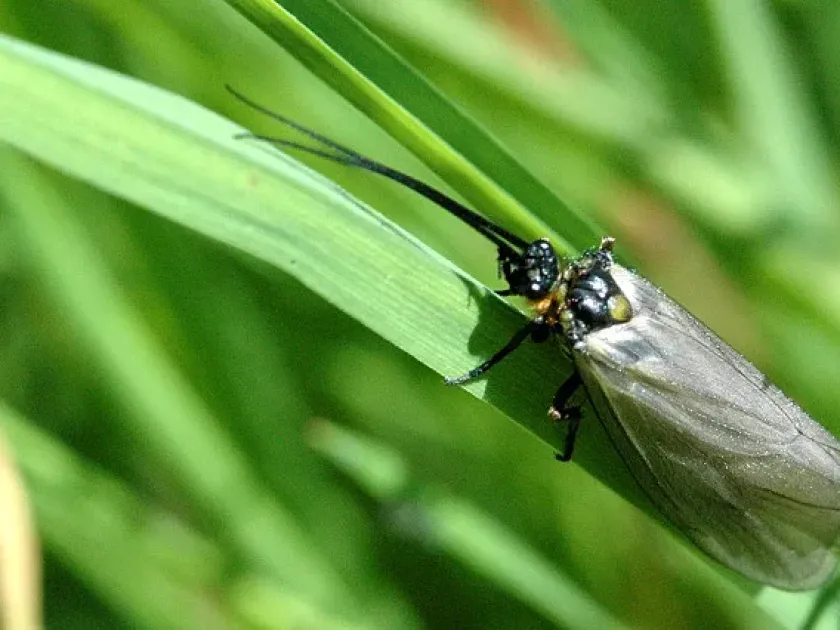
Description
How to identify
Parachiona picicornis is a species of weevil belonging to the family Curculionidae. These beetles are characterized by their specialized rostrum and cryptic coloration, which allows them to blend effectively into their host environment.
The adult form of this pest is typical of the Ceutorhynchini tribe, with a robust body covered in minute scales. These scales often exhibit a subtle metallic or dark hue, making them difficult to spot during routine field inspections.
The life cycle encompasses four distinct stages: egg, larva, pupa, and adult. The larval stage is responsible for the majority of plant damage, as it develops hidden within the protective tissues of host plants.
Identifying this species requires close observation of morphological details, as it shares many features with related curculionid beetles. Entomologists often use specialized identification keys for precise classification.
The beetle's activity pattern is largely nocturnal or crepuscular, which contributes to the difficulty of monitoring populations without the use of specific attraction devices or nocturnal surveys.
What it damages
Damage is primarily caused by larvae feeding internally, which leads to the disruption of vascular tissues. This impairment prevents the effective translocation of water and nutrients throughout the host plant.
Adults contribute to the damage by feeding on young foliage, creating small punctures or shot-holes. While usually less devastating than larval feeding, adult grazing can significantly reduce photosynthesis in younger plants.
Symptoms of infestation often include stunted plant growth, chlorosis, and in severe cases, the complete collapse of affected stems or roots. This directly leads to reduced crop yield and lower product quality.
The internal tunnels created by larvae provide entry points for secondary pathogens, such as fungi and bacteria. These infections often exacerbate the physiological damage caused by the weevils themselves.
Agricultural losses vary based on environmental factors, as larval survival is dependent on specific temperature and moisture conditions within the host plant's internal environment.
Signs of infestation
Early signs of infestation include small, irregular feeding holes on leaf surfaces. These patterns are often the first indicator of adult beetle presence in the field during the growing season.
If a plant exhibits unexplained wilting despite adequate moisture, it is a strong indicator of larval damage to the root system or the base of the stem. Examining these areas often reveals internal tunnels.
The presence of larvae can be confirmed by slicing open suspected stems, where they are found as small, legless grubs with distinct head capsules. Their excrement often fills the internal feeding galleries.
Morphological changes, such as localized swelling or abnormal branching of the stem, can occur as the plant attempts to compensate for internal larval feeding galleries.
Monitoring the fields with light traps or sticky traps during peak activity hours is essential to determine the population density before significant economic damage occurs.
Control measures
Integrated Pest Management (IPM) is the recommended approach, starting with long-term crop rotation. Rotating non-host crops helps to break the life cycle of the pest by starving emerging adults.
Deep tillage and plowing in the autumn are crucial mechanical control measures. These actions disrupt the overwintering sites of the larvae and pupae in the soil, leading to significant mortality.
Chemical control involving systemic insecticides is effective when applied during periods of peak adult activity or egg-laying. Systemic action is necessary to reach larvae protected inside the plant tissues.
Biological control agents, including entomopathogenic nematodes and fungi, are becoming increasingly popular tools. These agents provide a sustainable way to manage populations without heavy reliance on synthetic pesticides.
Effective weed management is also necessary, as many common weeds can serve as alternative hosts for Parachiona picicornis, allowing the population to persist even when the primary crop is absent.
Taxonomy
- Latin name
- Parachiona picicornis
- Family
- Limnephilidae
- EPPO code
- PCHIPI
Discussion
No discussions yet — be the first.