
Glyphotaelius pellucidus
Glyphotaelius pellucidus
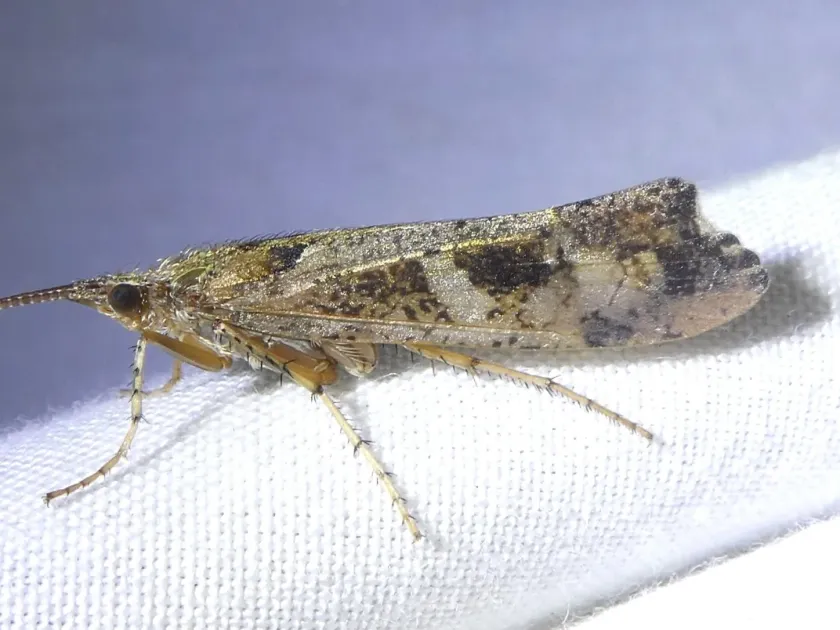
Description
How to identify
Glyphotaelius pellucidus is a species of caddisflies (order Trichoptera) belonging to the family Limnephilidae, typically found in proximity to stagnant water bodies.
Adult insects have a wingspan of approximately 30–35 mm and are characterized by a distinct mottled, translucent pattern on their wings.
Larvae are aquatic and are known for building elaborate protective cases made from precisely cut leaf fragments, which is a signature behavior for this species.
The life cycle undergoes complete metamorphosis, including egg, larva, pupa, and adult stages, with the larval phase often lasting for nearly a full year.
These insects prefer clean or slow-moving water and serve as ecological indicators for habitat health in their natural environment.
What it damages
The primary damage is caused by larvae that, when water levels drop or during seasonal shifts, may emerge to feed on nearby terrestrial vegetation.
Vegetable crops and tender seedlings grown in riparian zones or near forest ponds are the most susceptible to infestation by this species.
Larval feeding creates significant leaf damage, reducing the plant's capacity for photosynthesis and slowing down its growth cycle during critical development stages.
Feeding wounds created by the larvae provide entry points for various bacterial and fungal pathogens, potentially leading to secondary infections in the crop.
While economic damage is generally localized, high population densities near greenhouses or vegetable farms can lead to substantial losses for growers.
When it appears
Adults typically emerge in late summer through autumn, with the peak flight period occurring between August and October for mating and egg-laying.
Larvae are most active during the spring and early summer months, taking advantage of the warmer water temperatures to increase their biomass.
The species overwinters in the larval stage, residing within their protective cases buried in the sediment or attached to submerged aquatic plants.
Pupation takes place in late spring, signaling the transition phase before the adults emerge from the water surface to start the new cycle.
Environmental conditions, particularly water temperature and rainfall, dictate the timing and intensity of the life cycle progression annually.
Signs of infestation
The presence of unique, clean-cut holes in the leaves of nearby plants is a primary indicator of larval feeding activity.
Finding tubular cases constructed from leaf scraps at the base of stems is clear evidence that the larvae have migrated from the water to the plants.
Damage often appears as skeletonized patches on the leaf surface, where larvae have consumed the soft tissue while leaving the veins intact.
Increased sightings of adult caddisflies around the edges of fields near water bodies during dusk suggest an impending infestation by the next generation.
Stunted plant growth and visible feeding damage in humid zones near water are strong signals for field scouting and monitoring.
Control measures
Sanitation is key; clearing debris, fallen leaves, and excessive aquatic vegetation from the water's edge can significantly reduce available shelter and resources for larvae.
Maintaining buffer strips between water bodies and cultivated areas can physically impede the movement of larvae toward the crop field.
- Manual removal of larval cases from the base of plants during routine inspections.
- Land drainage to eliminate temporary stagnant pools near agricultural areas.
- Application of bio-based pesticides targeting early larval stages if infestation levels warrant action.
Effective weeding and soil management help keep the field environment less attractive for caddisfly migration from nearby ponds.
Avoid excessive pesticide use near riparian zones to preserve the balance of aquatic ecosystems while managing local populations through integrated pest management.
Taxonomy
- Latin name
- Glyphotaelius pellucidus
- Family
- Limnephilidae
- EPPO code
- GTALPE
Discussion
No discussions yet — be the first.