
Glyphotaelius
Glyphotaelius
Description
How to identify
Glyphotaelius is a genus of caddisflies belonging to the family Limnephilidae within the order Trichoptera. These insects undergo complete metamorphosis and are closely associated with aquatic environments.
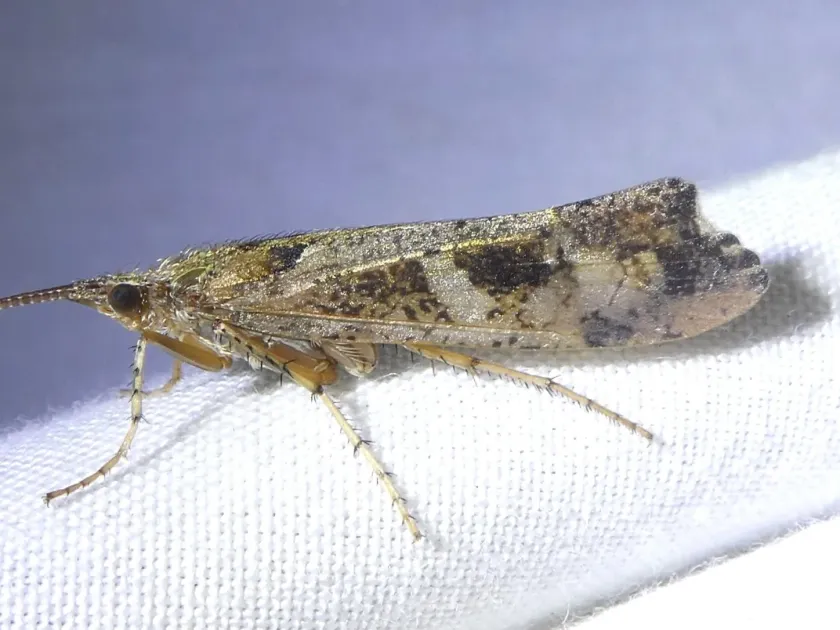
Adult caddisflies are moth-like insects with two pairs of hairy wings, which they hold folded over their backs when at rest, resembling a roof structure.
The larvae are particularly known for their distinctive portable cases, which they construct using bits of leaves, sticks, or small mineral particles bound by silk.
Classification of the genus is based on complex morphological traits, such as wing venation patterns and the structure of the genitalia in adult specimens.
While they are primarily aquatic insects, some species may venture into damp soil areas, where they can occasionally interact with terrestrial and semi-aquatic crops.
What it damages
The primary damage is caused by the larval stage, which feeds on vegetation. In agricultural contexts, they can damage seedlings and plants near drainage ditches or ponds.
The larvae use plant tissue, often from succulent leaves of nearby crops, to expand or repair their protective cases, leading to visible damage on foliage.
Severe infestations can lead to significant defoliation of young plants, hindering their development and potentially causing physiological stress to the crop.
Plants located in low-lying areas or those grown in heavy, water-saturated soils are most susceptible to attacks by these insects during the spring season.
Although they rarely cause widespread crop failure, their presence in high densities can affect the yield quality of susceptible vegetable and ornamental plants.
When it appears
The life cycle of Glyphotaelius is strongly influenced by the availability of standing water and temperature fluctuations throughout the growing season.
Adults typically emerge during the summer months to mate and deposit eggs on aquatic plants or the surface of the water, ensuring the next generation.
Larval activity is highest during the spring and early summer when environmental conditions are optimal for growth and feeding prior to the pupation stage.
The development cycle is often prolonged and depends heavily on the hydrological stability of the surrounding irrigation and drainage infrastructure.
Overwintering usually occurs in the larval stage or as eggs buried in silt, allowing the population to survive the colder winter temperatures effectively.
Signs of infestation
One of the most obvious signs is the discovery of the insect's protective cases attached to the lower surfaces of leaves or stems near the soil level.
The presence of irregular or geometric-shaped holes in the leaves indicates that the larvae have been feeding and harvesting materials for their cases.
General plant stunting and localized wilting in areas bordering ponds or canals can be considered indicators of potential larval presence in the soil.
Insects or their cases may be found during soil cultivation or irrigation procedures, especially in fields with high moisture content and drainage issues.
Observing adult caddisflies in the evenings near lights, particularly in proximity to irrigation systems, can signal a localized breeding population.
Control measures
Effective management focuses on site drainage and the maintenance of irrigation channels to eliminate the standing water necessary for the larval life stage.
Agronomic practices such as crop rotation and the selection of dryer fields for sensitive crops help reduce the risk of infestation by this pest.
Chemical control is rarely required but can be targeted at specific hotspots if damage thresholds are exceeded during the early stages of plant development.
Physical exclusion methods or manual removal of larvae from small-scale plots can provide adequate protection in gardening and small nursery settings.
- Maintain clear drainage ditches to prevent standing water.
- Improve soil aeration to limit larval habitat suitability.
- Rotate crops to move sensitive varieties away from damp borders.
Taxonomy
- Latin name
- Glyphotaelius
- Family
- Limnephilidae
- EPPO code
- GTALSP
Discussion
No discussions yet — be the first.