
Parachiona
Parachiona
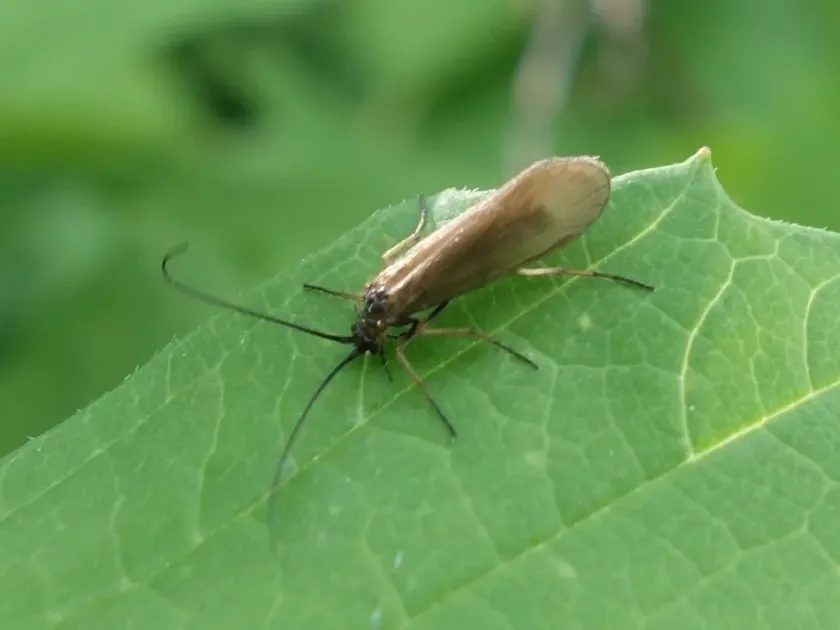
Description
How to identify
Parachiona is a genus of insects belonging to the order Lepidoptera and the family Gracillariidae. These moths are recognized as leaf miners, which means their larvae develop inside the leaf tissue, creating specific feeding patterns known as mines.
The adult moths are generally small, with specialized wing structures characteristic of the Gracillariidae family. Due to their minute size and nocturnal or crepuscular behavior, they are often difficult to detect in field environments without specific monitoring tools.
Larvae are the life stage responsible for plant damage. They possess a flattened body shape, an evolutionary adaptation that facilitates movement between the upper and lower epidermis of the leaves while feeding on the mesophyll tissue.
Taxonomically, the genus Parachiona is classified based on detailed morphological traits, including wing venation and male/female genital structures. These traits are essential for accurate species identification by entomologists.
Understanding their host plant range is critical for integrated pest management, as these insects often exhibit high specificity, targeting particular tree or shrub species depending on their regional distribution.
What it damages
The damage caused by Parachiona is mainly focused on woody plants and shrubs. In forestry and nursery settings, severe infestations can lead to significant physiological stress and reduced growth rates of young seedlings.
Larval feeding activity creates tunnels or blotch-like mines within the leaf. By consuming the inner parenchyma, the larvae disrupt the plant's photosynthetic efficiency, which is vital for energy storage and seasonal growth.
As the mines expand, the affected leaf tissue often turns yellow or brown, leading to premature senescence and leaf abscission. This defoliation reduces the aesthetic value of ornamental plants and weakens the vigor of forest trees.
Beyond direct feeding, the injured leaf tissue acts as a point of entry for secondary pathogens, such as fungi and bacteria. These infections can accelerate leaf necrosis and contribute to further canopy loss during the growing season.
The economic threshold for intervention is usually determined by the density of mines per leaf and the overall impact on the plant's health, necessitating timely monitoring in high-risk areas.
When it appears
The life cycle of Parachiona is closely synchronized with the phenology of its host plants. Adults typically emerge in the spring, coinciding with the development of new foliage, which provides the necessary resource for the next generation.
The duration of the developmental stages (egg, larva, pupa, adult) is heavily influenced by ambient temperature and humidity. Warm, stable weather conditions often accelerate the life cycle, leading to potential population explosions.
Overwintering typically occurs in the pupal stage, protected within fallen leaves or bark crevices. This overwintering strategy makes sanitation, such as removing leaf litter, a highly effective cultural control method.
Depending on the geographic region, multiple generations can occur within a single year. In warmer climates, continuous breeding throughout the season can lead to overlapping generations, complicating control efforts.
Pheromone traps are used to monitor the flight patterns of adult moths. By identifying the timing of peak adult activity, agronomists can predict when eggs will be laid and when larvae will hatch, ensuring optimal timing for control.
Signs of infestation
The most distinctive sign of Parachiona infestation is the presence of mines. These appear as translucent or discolored winding tracks on the leaf surface, which are easily visible when the leaf is held up against the light.
Accumulation of larval frass (waste) within the mine is another key identifier. This often appears as fine, dark-colored particles inside the transparent leaf membrane, distinguishing miner damage from common foliage diseases.
In cases of heavy infestation, leaves become deformed, shriveled, and may curl around the mined areas. This distortion is a clear indicator of extensive tissue loss caused by the larval development.
- Presence of translucent leaf mines (tunnels or blotches).
- Dark granular deposits (frass) inside the leaf mines.
- Leaf deformation, curling, and premature yellowing.
- Small emergence holes on the leaf surface where adult moths have left.
Visual inspections of the canopy during the late afternoon or early evening may reveal the presence of small moths, indicating active colonization and the need for immediate assessment.
Control measures
Effective management of Parachiona requires an integrated approach that combines cultural, biological, and chemical strategies. Cultural practices, such as the removal and destruction of leaf litter, are essential to reduce the population of overwintering pupae.
Chemical control is most effective when targeted at the egg-laying phase or the early larval stage before the larvae are fully enclosed in deep mines. Systemic insecticides are preferred as they penetrate the leaf tissue to reach the feeding larvae.
Selection of insecticides should prioritize products that offer efficacy while maintaining safety for beneficial predatory wasps and other natural enemies that naturally regulate moth populations.
Biological control involves conserving or introducing parasitic wasps (hymenopteran parasitoids) that feed on the larvae within the mines. These natural agents play a crucial role in maintaining long-term population stability.
Monitoring programs using pheromone traps allow for precise scheduling of treatments. Applying control measures only when necessary, based on threshold levels, reduces chemical input and supports more sustainable agricultural practices.
Taxonomy
- Latin name
- Parachiona
- Family
- Limnephilidae
- EPPO code
- PCHISP
Discussion
No discussions yet — be the first.