
Oxycera pulchella
Oxycera pulchella
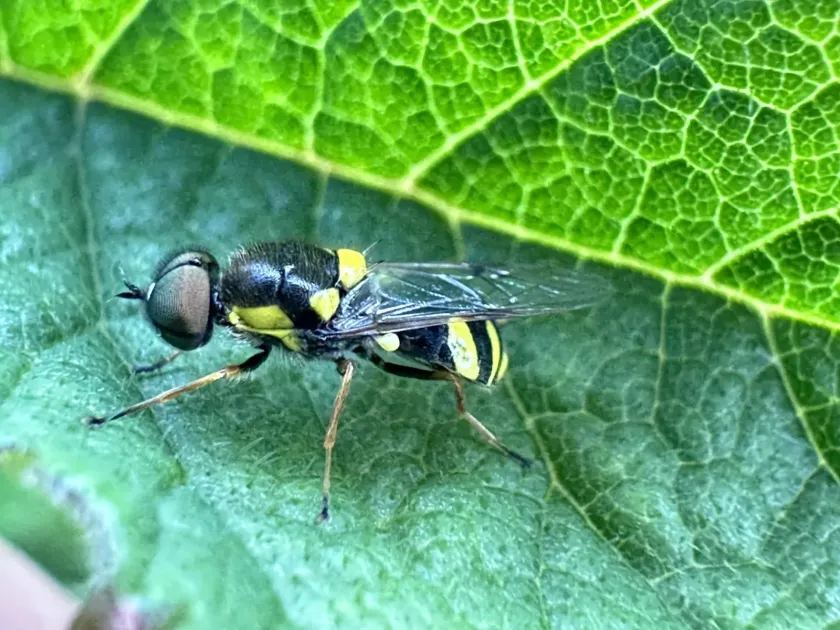
Description
How to identify
Oxycera pulchella is a species of soldier fly belonging to the family Stratiomyidae. The adult insect is characterized by a distinctive, often colorful pattern on its abdomen.
The body of the adult fly is noticeably flattened, which allows it to thrive in narrow spaces such as under leaf litter or in soil crevices.
The larvae are known for their protective, hardened cuticle that provides resistance against varying environmental conditions in their habitat.
Identification of this species relies on the examination of wing venation patterns and specific abdominal markings typical of the genus Oxycera.
These flies are often overlooked due to their small size and the secretive lifestyle of their larval stages within the soil layers.
What it damages
The primary concern regarding this species is the potential for larvae to feed on decaying organic matter or roots in waterlogged soil environments.
While often associated with decomposition, larvae may cause mechanical damage to tender plant tissues, particularly in the root zone and stems.
By damaging plant structures, larvae can create entry points for secondary infections caused by fungi or opportunistic soil-borne bacteria.
High population densities in agricultural fields, especially in moist vegetable patches, can result in stunted growth and localized plant losses.
The pest is particularly problematic in nursery environments where consistent high humidity supports the life cycle of the insect.
When it appears
Adult flies are typically observed during the summer months, with their peak activity occurring in mid-summer when temperatures are optimal.
The life cycle is closely linked to soil moisture levels, which are critical for the development of the larvae throughout the growing season.
Larvae are known to overwinter in the soil, utilizing accumulated plant debris to survive cold temperatures during the winter dormant period.
Depending on the climatic conditions of the region, the species may produce one or more generations if environmental parameters remain favorable.
Spring monitoring is essential to detect the emergence of adults, as early-season management can prevent significant infestation levels later on.
Signs of infestation
Stunted development and chlorosis of foliage are common symptoms observed in plants affected by root zone disturbance by larvae.
Physical inspection of the base of the plant often reveals necrotic tissue or galleries carved by larvae in the root-soil interface.
The presence of adult flies on vegetation or near moist soil substrates is a key indicator that monitoring and management should be prioritized.
- Wilting of plants during peak sunlight hours.
- Visible damage at the root collar.
- Softening of the stem base due to secondary decay.
Careful examination of the rhizosphere is necessary to distinguish damage caused by Oxycera pulchella from typical root rot pathogens.
Control measures
Cultural control is the most effective approach, focusing on improving soil drainage and preventing water stagnation around plant roots.
Sanitation practices, such as the removal of organic debris and weeds, are crucial for eliminating breeding sites for the larvae.
Biological control agents, including beneficial entomopathogenic fungi, can be used to manage larval populations without chemical residues.
In intensive cultivation systems, maintaining dry surface conditions can significantly discourage females from laying eggs in the soil.
Chemical intervention should be considered only as a last resort, prioritizing applications that target larval stages while minimizing impact on soil health.
Taxonomy
- Latin name
- Oxycera pulchella
- Order
- Diptera (flies)
- Family
- Stratiomyidae
- EPPO code
- OXRAPU
Discussion
No discussions yet — be the first.