
Chiromyza
Chiromyza
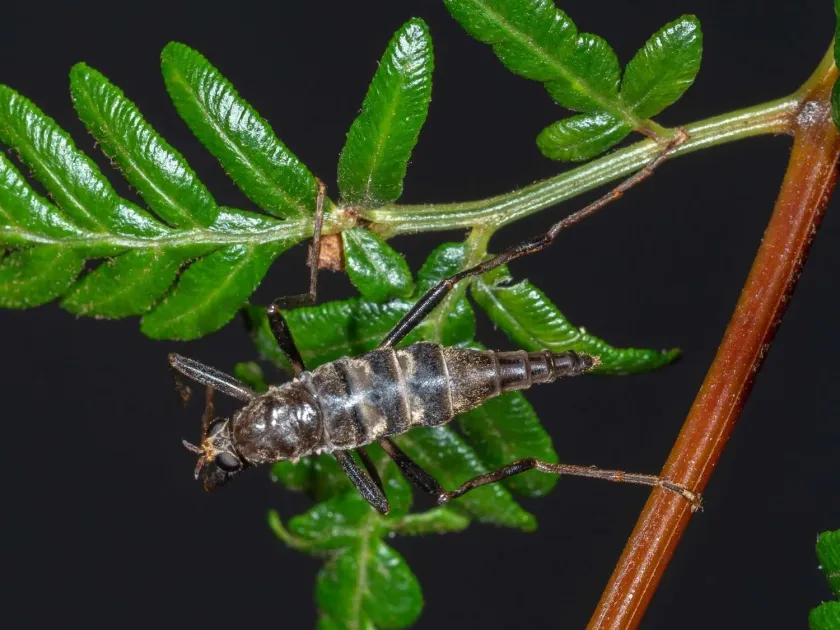
Description
How to identify
Chiromyza is a genus of flies belonging to the family Stratiomyidae, commonly known as soldier flies. While adult flies are generally harmless pollinators or neutral in the ecosystem, their larval stage can be highly destructive to crops.
The larvae are characterized by a flattened, tough-skinned body, which allows them to thrive in moist soil or decomposing organic matter. Their coloration is typically brownish or grey, providing effective camouflage in the soil environment.
The life cycle consists of complete metamorphosis. Adult females deposit eggs in moist areas, ensuring that emerging larvae have immediate access to nutrients in the surrounding root zone of host plants.
They are particularly adapted to wet environments where they can easily move through the topsoil to reach the underground parts of plants.
Species-level identification usually requires expert analysis, but their presence is easily detected by the specific patterns of damage they leave on crop roots.
What it damages
Chiromyza larvae primarily damage various cereal crops and certain technical crops. They feed on roots and the base of the plant, disrupting the transport of water and nutrients.
Damage to the primary root system causes severe growth retardation. In young seedlings, this often leads to rapid wilting and plant death, resulting in crop thinning.
As they burrow into the root tissue, they create channels that severely weaken the structural integrity of the plant, making it prone to lodging during winds.
The physical damage caused by larval feeding often facilitates secondary infections by soil-borne fungi and bacteria, leading to further root decay.
Field-wide infestations can cause significant economic losses, especially if the pest population remains unchecked during the early development stages of the crop.
When it appears
The activity of Chiromyza peaks during the spring when rising soil temperatures trigger the emergence of larvae from their overwintering stage.
Adult flies are typically active during late spring and early summer, facilitating mating and the subsequent deposition of eggs into the soil.
The most critical window for protection is during the germination and seedling emergence stages, as the plants are at their most vulnerable state to underground damage.
By autumn, as temperatures drop, larvae retreat deeper into the soil profile to endure the winter, entering a state of dormancy or reduced metabolic activity.
Consistent monitoring of soil conditions and early plant development is essential for timely detection and intervention before the pest population explodes.
Signs of infestation
The first indicator of an infestation is the appearance of yellowing and wilting plants in areas of the field that appear otherwise well-irrigated.
Closer examination of the plant base reveals chewed or hollowed-out roots, often accompanied by visible larval presence in the surrounding soil.
Patches of sparse or stunted growth within the crop row provide a strong clue that a localized population of larvae is active underneath.
The soil surface around the affected plants may look disturbed, and the presence of frass or debris near the damaged roots is a common sign.
Uneven stand emergence and high mortality rates in specific patches are clear indications of a subterranean pest issue that requires immediate attention.
Control measures
Crop rotation is the most effective cultural practice to manage Chiromyza, as it denies the pest a stable host environment year after year.
Deep plowing during the fall helps to bring larvae to the surface, where they become susceptible to temperature fluctuations and natural predators.
Effective water management and soil drainage are crucial, as maintaining drier soil conditions significantly reduces the attractiveness of the site to breeding flies.
When necessary, insecticides registered for soil-borne pests can be applied, though their usage should be integrated with other preventive measures to ensure maximum effectiveness.
- Practice regular weed control to eliminate alternative habitats.
- Use high-quality treated seeds to improve early crop establishment.
- Perform regular soil health checks to monitor larval population density.
Taxonomy
- Latin name
- Chiromyza
- Order
- Diptera (flies)
- Family
- Stratiomyidae
- EPPO code
- CHIZSP
Discussion
No discussions yet — be the first.