
Oxybelus
Oxybelus
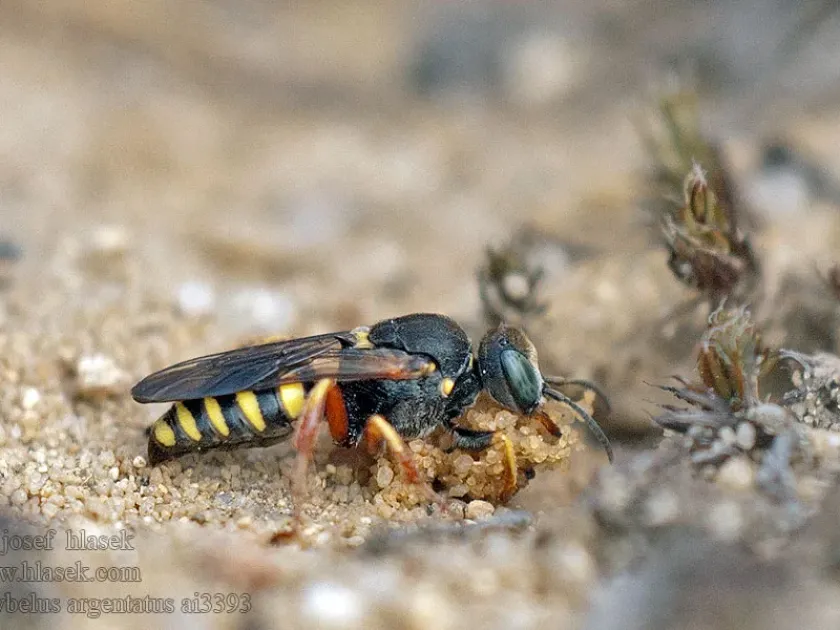
Description
How to identify
Oxybelus is a genus of solitary predatory wasps belonging to the family Crabronidae, order Hymenoptera. They are generally small insects, often distinguished by their black and yellow abdominal markings.
A distinctive feature of this genus is the presence of a process called a mucro on the scutellum, which serves as a reliable diagnostic character for field identification.
These wasps are active during the day, preferring sunny, exposed, and sandy soil surfaces for nesting, which often brings them into proximity with agricultural lands.
Adults typically forage for nectar on various flowering plants, while the larvae are provisioned with prey, usually flies, caught by the female parent.
The life cycle involves the construction of complex tunnel systems in the ground, where the females lay eggs and store paralysed insects as food for the offspring.
What it damages
While often regarded as beneficial predators of flies, Oxybelus populations can become a nuisance in agricultural settings due to their soil-nesting habits.
The extensive burrowing activity by large populations of wasps can physically disrupt the root zone of emerging crops, particularly in sandy or loose soil types.
When nesting sites coincide with rows of seedlings, the mechanical damage to roots often leads to stunted growth, wilting, and decreased overall plant vigor.
Young vegetables and specialty crops planted in light soil are at the highest risk, as the integrity of the seedbed is essential for early development.
Significant infestations can lead to gaps in crop stands, forcing growers to replant sections or take corrective measures to protect the affected area.
Control measures
Management strategies focus on cultural practices designed to discourage wasps from colonizing field areas without the need for excessive chemical intervention.
Regular cultivation and loosening of the soil between rows is a highly effective way to disturb nest construction and discourage re-colonization by the wasps.
Applying mulch to the soil surface helps to keep the ground cooler and creates a physical barrier, making the area less attractive for nesting and egg-laying.
Maintaining strong crop growth and ensuring adequate irrigation can help plants overcome minor root disturbances caused by wasp nesting activity.
Chemical control should be avoided whenever possible, as these wasps often serve as part of the local ecological balance, and broad-spectrum pesticides may cause secondary outbreaks of other pests.
Taxonomy
- Latin name
- Oxybelus
- Order
- Hymenoptera
- Family
- Crabronidae
- EPPO code
- OXYBSP
Discussion
No discussions yet — be the first.