
Oriental armyworm
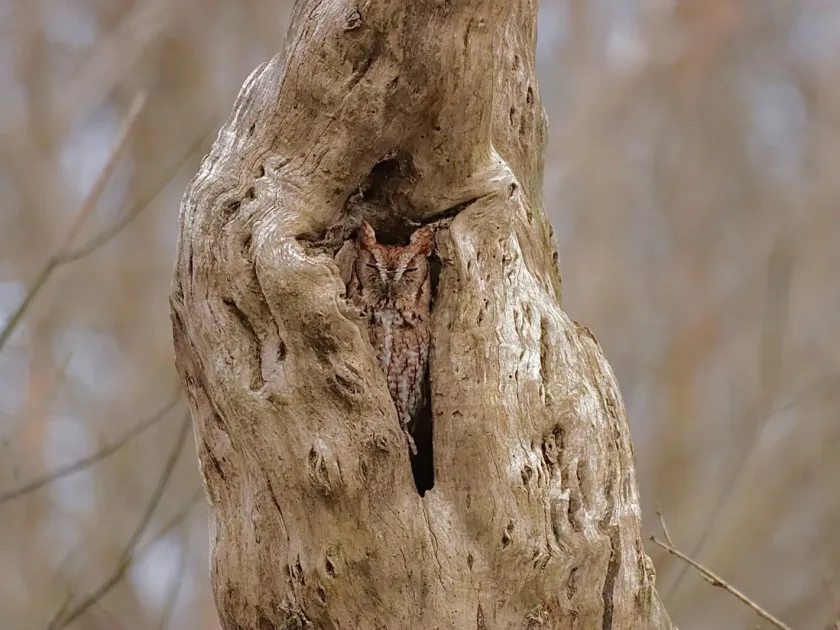
Otus asio
Description
How to identify
The Oriental armyworm, scientifically known as Mythimna separata, is a notorious agricultural pest belonging to the Noctuidae family. The adult form is a medium-sized moth with brownish-grey forewings characterized by distinct dark markings that provide excellent camouflage.
The life cycle encompasses four main stages: egg, larva, pupa, and adult. The larval stage is the most destructive phase, with caterpillars going through six instars. As they grow, their color darkens from pale green to dark brown, often featuring pale, longitudinal stripes along their body.
Females are highly fecund, laying hundreds of eggs in clusters on the undersides of leaves or within plant crevices. These hidden egg masses are difficult to spot during routine field scouting, often leading to sudden outbreaks when larvae hatch.
Developmental rates are heavily dictated by temperature and humidity. In tropical and subtropical regions, the pest can complete multiple generations in a single year, making it a persistent challenge for farmers in affected areas.
Monitoring using light traps or pheromone baits is essential for the early detection of moths. Tracking flight patterns helps agronomists predict when larvae are likely to emerge, allowing for more precise timing of management interventions.
What it damages
This species is a significant polyphagous pest, meaning it attacks a wide array of crops. Its primary hosts include major cereals like rice, wheat, corn, and sorghum, which are vital staples globally.
Early-stage larvae typically skeletonize leaves, consuming the soft tissue while leaving the veins intact. As the caterpillars mature, their feeding habits shift to consuming the entire leaf blade, leading to massive defoliation of the crop.
In addition to foliage damage, the larvae attack the reproductive structures of the plant, such as ears and panicles. This damage directly reduces grain filling, leading to shriveled grains and significant harvest losses.
The "armyworm" behavior is named for their habit of migrating in large groups from one area to another once the local food source has been depleted. This mass movement can decimate entire fields in a very short amount of time.
Because they are nocturnal, they are rarely seen during daylight hours, as they seek shelter in the soil or at the base of plants. This behavior makes it critical for producers to look for signs like defoliation rather than searching for the pest during the day.
Control measures
Integrated Pest Management (IPM) is the most sustainable approach to controlling this pest. Cultural practices like deep plowing after harvest help expose pupae to predators and desiccation, reducing the population for the next season.
Biological control agents play a vital role in natural population suppression. Parasitic wasps, particularly Trichogramma species, are widely used in agriculture to parasitize the pest's eggs before they can hatch into destructive larvae.
Chemical control remains a necessary tool during severe infestations. Insecticides should be applied based on economic thresholds to ensure cost-effectiveness and to minimize environmental impact.
To prevent the development of resistance, it is crucial to rotate chemical classes. Relying solely on one type of insecticide can lead to a resistant population, which makes subsequent management attempts much more difficult.
Applying treatments during the evening hours significantly boosts efficacy. Since the caterpillars are actively feeding and moving above ground at night, evening applications maximize the probability of direct contact between the pest and the insecticide.
Taxonomy
- Latin name
- Otus asio
- Family
- Strigidae
- EPPO code
- OTUSAS
Discussion
No discussions yet — be the first.