
Oncocephalus
Oncocephalus
Description
How to identify
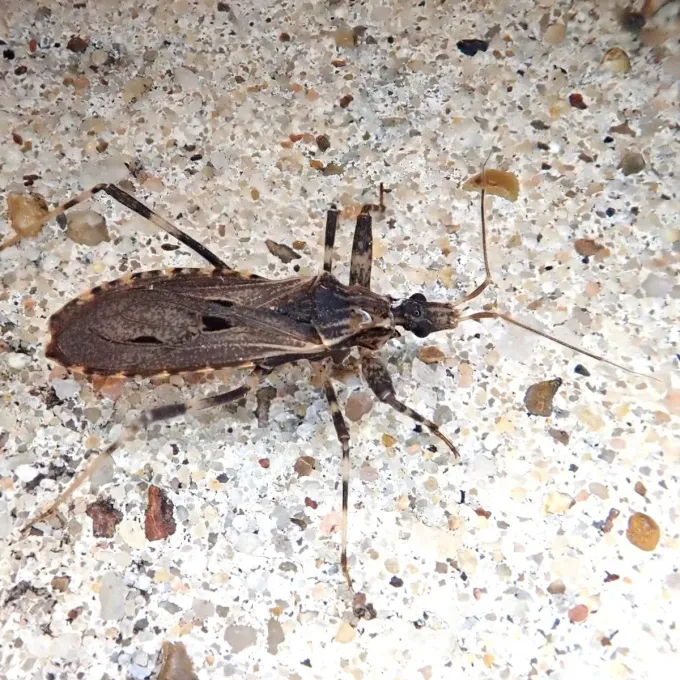
Oncocephalus is a genus of insects belonging to the family Reduviidae, commonly known as assassin bugs, within the order Hemiptera. These insects are characterized by their elongated bodies and specifically shaped heads designed for effective predation.
The coloration of these bugs typically ranges from grey to brown, providing excellent camouflage against soil, dry leaves, and plant stems, which makes them difficult to spot in field conditions.
They possess long, thread-like antennae and a curved proboscis, which is their primary feeding organ used to pierce prey or, in some cases, plant tissues to extract moisture.
The life cycle of these insects consists of the egg stage, several nymphal stages, and the adult stage. Nymphs closely resemble adults but lack fully developed wings, growing larger with each molt.
Being highly adaptable, members of the Oncocephalus genus are distributed across various geographical regions, inhabiting both wild environments and managed agricultural lands.
What it damages
Although typically categorized as predatory insects, Oncocephalus can inflict damage on agricultural crops when their natural prey is scarce, forcing them to feed on plant juices.
They cause mechanical damage by puncturing young stems and leaves. These punctures serve as entry points for secondary pathogens, potentially leading to fungal or bacterial infections.
Crops such as cereals and certain vegetables are particularly susceptible to this type of injury, which may result in stunted growth and weakened plant immunity.
In cases of high population density, damage can be significant, leading to visible yellowing of leaves and the localized necrosis of stems.
The primary concern for farmers is not only direct feeding damage but also the potential for these bugs to act as vectors for various plant diseases.
When it appears
The activity of Oncocephalus begins in late spring, as rising temperatures trigger the emergence of overwintering adults from their sheltered locations.
Peak population levels are usually observed during the middle of the summer, which coincides with the rapid growth stages of many cultivated plants.
The insects undergo a seasonal cycle that involves migration to protective areas like crop residues, weeds, or forest edges as temperatures drop in autumn.
Developmental rates are heavily dependent on weather conditions, with warmer seasons leading to accelerated life cycles and potentially larger population numbers.
Monitoring for the presence of these bugs should be most intensive from early summer through the harvest period to prevent large-scale crop damage.
Signs of infestation
The primary sign of infestation is the physical presence of the bugs, particularly on the underside of leaves or within the leaf axils during the cooler morning hours.
Necrotic spots on the stems, often appearing as tiny dark holes, are a clear indicator of previous feeding activity by these hemipteran pests.
The presence of exuviae (cast-off skins from molting nymphs) on the foliage confirms that the bugs are actively developing and multiplying within the field.
Stunted growth or sudden wilting of top shoots can also occur if the damage to the vascular system of the plant is extensive enough.
- Small dark necrotic punctures on plant stems.
- Yellowing or curling of young leaf tips.
- Presence of insects during field inspections.
- Accumulation of dark fecal spots on the leaves.
Control measures
Effective management begins with good agricultural practices, such as clearing field margins of weeds and debris where these insects prefer to overwinter.
Deep autumn plowing is a highly recommended practice, as it disrupts the soil and destroys the habitats of hibernating adult bugs, reducing the next year's population.
Chemical control should be applied cautiously, as these bugs are often beneficial predators; spraying is only recommended when the economic threshold is exceeded.
Utilizing selective biological insecticides or natural enemies can help manage populations while minimizing the negative impact on the surrounding ecosystem.
Regular monitoring using yellow sticky traps can provide early warning of migration trends, allowing for targeted intervention before major crop damage occurs.
Taxonomy
- Latin name
- Oncocephalus
- Order
- Hemiptera (bugs, aphids, leafhoppers)
- Family
- Reduviidae
- EPPO code
- ONCCSP
Discussion
No discussions yet — be the first.