
Large Plume Moth
Oidaematophorus grandis
Description
How to identify
The Large Plume Moth (Oidaematophorus grandis) belongs to the Pterophoridae family, characterized by their unique, deeply cleft wing structure. The wings consist of delicate, feather-like plumes that give the moth its distinctive appearance.
When at rest, the moth folds its wings into a narrow, T-shaped posture, providing excellent camouflage against stems and twigs. This adaptation makes them quite difficult to spot in their natural environment during the day.
Adult moths typically display grey or brownish color patterns, which blend seamlessly with their host plants' bark or dried foliage.
Larvae are generally hairy and match the coloration of their host plants, allowing them to remain hidden from avian predators while they feed.
The life cycle involves complete metamorphosis: egg, larva, pupa, and adult. The timing of each stage is closely synchronized with the growth of their preferred host plants.
What it damages
This pest primarily attacks plants in the Asteraceae family, impacting both ornamental flowers and wild herbaceous species.
The larvae are the main source of damage, consuming leaves, buds, and floral tissues, which can lead to significant aesthetic and physiological injury to the plants.
Feeding on young growth points can stunt the plant's development, resulting in distorted stems and fewer, smaller blossoms.
By damaging the flower buds, the moth prevents proper flowering, which drastically reduces the reproductive success of the plant.
In high densities, the larval feeding activity can leave plants vulnerable to secondary infections from fungi or bacteria entering through the bite marks.
Signs of infestation
The presence of fine webbing covering buds and leaf tips is a primary indicator that larvae are actively feeding in the vicinity.
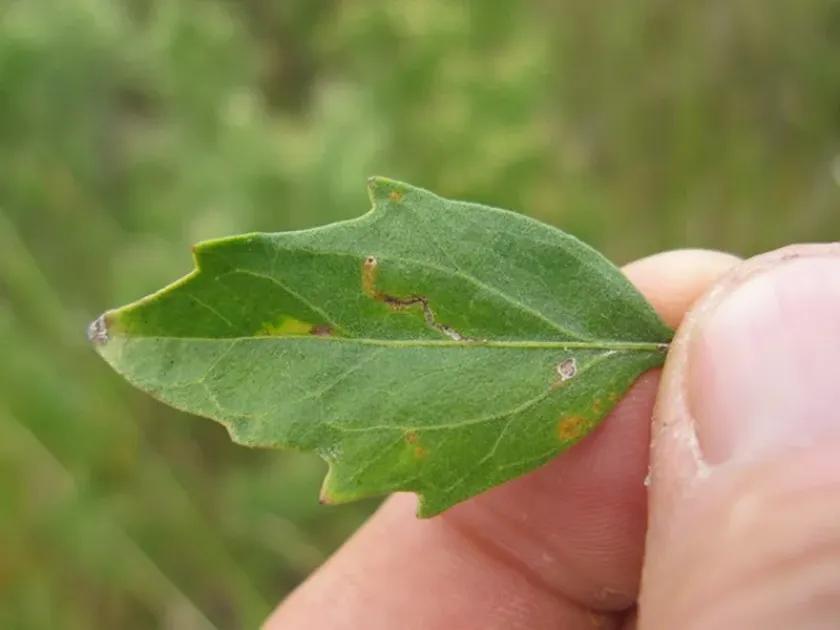
Irregular, ragged holes in the leaves, combined with small dark frass deposits, are classic signs of larval activity.
Unopened or withered buds that show signs of interior hollows or silk threads strongly suggest the presence of a plume moth larva.
Stunted or distorted foliage development, particularly at the tips of stems, often signals that the larvae have been feeding on the primary growth tissues.
Observing adult moths resting in a T-shape on nearby vegetation during dusk or dawn can also confirm an active population in the area.
Control measures
Sanitation is key; pruning and destroying infested buds or shoots can significantly lower the local population of the moth.
Biological control using microbial insecticides like Bacillus thuringiensis is highly recommended for targeting larvae in an environmentally friendly manner.
For ornamental gardens, systemic insecticides may be applied if infestation levels exceed the threshold of economic or aesthetic damage.
Promoting natural predators, such as ladybugs, lacewings, and insectivorous birds, is a sustainable way to manage the moth population over the long term.
Clearing away garden debris and weeds at the end of the season removes overwintering sites, effectively reducing the chances of a re-infestation the following year.
Taxonomy
- Latin name
- Oidaematophorus grandis
- Order
- Lepidoptera (butterflies)
- Family
- Pterophoridae
- EPPO code
- OIDAGR
Discussion
No discussions yet — be the first.