
Balsamorrhiza plume moth
Oidaematophorus balsamorrhizae
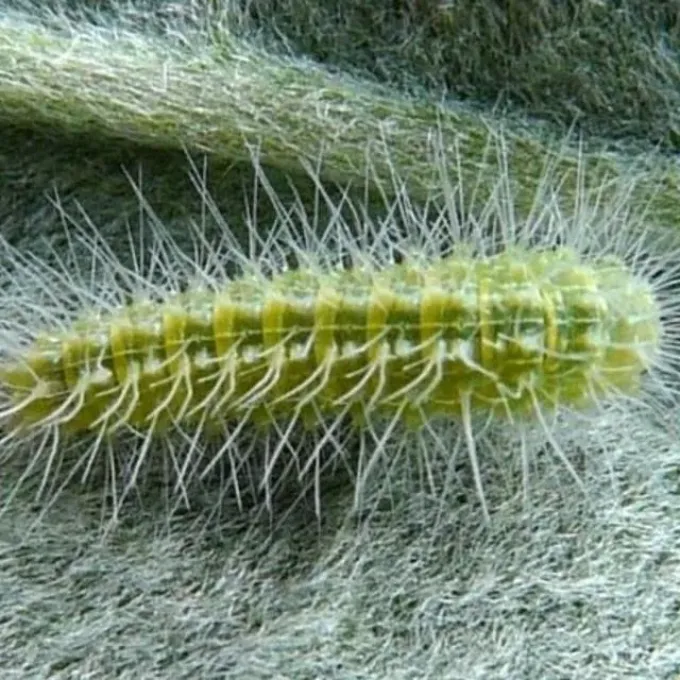
Description
How to identify
The Balsamorrhiza plume moth Oidaematophorus balsamorrhizae belongs to the Pterophoridae family within the order Lepidoptera. Its most distinct feature is the wing structure, characterized by deep lobes that give them a feathery appearance.
Adult moths are relatively small, with cryptic coloration ranging from grayish-brown to tan, allowing them to blend perfectly with plant stems and dried vegetation.
The larvae are specialized feeders with chewing mouthparts, specifically evolved to consume the dense tissues of floral buds and reproductive structures.
Identification often requires careful inspection of the larval feeding patterns, as the moths themselves are easily overlooked due to their nocturnal behavior and camouflage.
Detailed morphological examination, including wing venation and genital structure, is usually necessary to distinguish this species from other closely related members of the genus Oidaematophorus.
What it damages
This pest is primarily associated with plants of the Asteraceae family, with Balsamorrhiza species serving as its main host plant for development.
The larvae cause significant damage by boring into flower buds and developing seed heads, consuming the interior tissues and destroying the reproductive potential of the plant.
For agricultural and seed production contexts, the impact is severe, as infestation directly reduces the seed yield and quality of the affected host crops.
Beyond direct consumption, the larvae create entry points for opportunistic pathogens, leading to secondary infections such as fungal rots that destroy the entire bloom.
Under heavy infestation, the cumulative effect can lead to the total loss of the flower crop, significantly impacting local biodiversity and forage production.
When it appears
The lifecycle of the Balsamorrhiza plume moth is tightly synchronized with the phenology of its host plants, specifically the timing of floral development.
Adult moths emerge in late spring to mid-summer, aligning with the host's budding phase to ensure immediate availability of food for the next generation.
Eggs are typically laid on the flower stalks or near the buds, allowing neonate larvae to quickly bore into the plant tissue immediately after hatching.
The larvae complete their development over several weeks, followed by pupation, which often occurs on the surface of the plant or within the debris at the base.
The species survives the winter as larvae in a state of diapause, sequestered in protected microhabitats or within the detritus of host plant remains.
Signs of infestation
Signs of infestation include premature wilting of buds and a characteristic deformation of the flower heads caused by internal larval feeding.
The presence of fine webbing covering the flower buds or connecting leaf structures is a strong indicator of larval activity within the plant tissue.
Accumulations of frass (larval excrement) near the entry holes on the exterior of the bud provide clear evidence of an active infestation.
Small, neat holes appearing on the sides of buds are typical entry points for the larvae, often accompanied by darkening or localized necrosis of the tissues.
- Malformed and drooping flower buds
- Visible frass accumulations
- Silk webbing around buds and florets
- Premature dropping of unopened blooms
Control measures
Cultural control is the most effective approach, focusing on the sanitation of the field by removing and destroying plant debris where larvae hibernate.
Managing the surrounding weed population is crucial, particularly removing wild Asteraceae that can act as a secondary reservoir for the moth population.
Crop rotation to non-host species disrupts the cycle of the moth, preventing the buildup of large, destructive populations in the same field over time.
If chemical intervention is necessary, systemic insecticides applied during the early bud formation stage can target the larvae before they burrow too deeply.
Monitoring using light traps or pheromone attractants helps track adult activity, allowing for targeted application of biological control agents or targeted pesticides.
Taxonomy
- Latin name
- Oidaematophorus balsamorrhizae
- Order
- Lepidoptera (butterflies)
- Family
- Pterophoridae
- EPPO code
- OIDABA
Discussion
No discussions yet — be the first.