
White-tailed deer
Odoicoleus
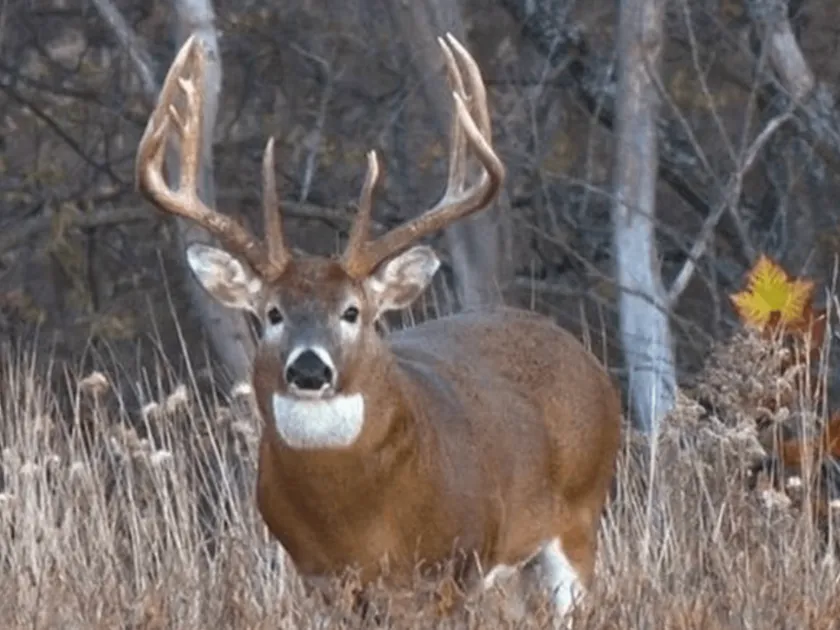
Description
How to identify
The white-tailed deer (Odocoileus virginianus) is a member of the Cervidae family, belonging to the order Artiodactyla. Adult deer have a reddish-brown summer coat that turns grayish-brown in the winter, blending perfectly with forest landscapes.
The name is derived from the distinct white underside of the tail, which is raised as a warning signal when the animal is startled. Males develop branched antlers that are shed annually, which significantly affects their interaction with trees and shrubs.
These animals are highly adaptable, displaying crepuscular behavior, which means they are most active during dawn and dusk. Their ability to thrive in edge habitats, where forests meet fields, makes them a significant challenge for modern agriculture.
The reproductive cycle is efficient, with fawning occurring in the spring. During this time, the increased nutritional demands of does lead to heavier grazing pressure on emerging agricultural crops, coinciding with the most sensitive growth stages.
Deer possess highly developed senses, particularly smell and hearing. They are capable of jumping over obstacles up to two meters high, which requires careful planning when designing perimeter defenses for high-value agricultural zones.
What it damages
White-tailed deer cause substantial economic loss by feeding on a variety of agricultural crops, including corn, soybeans, and leafy vegetables. They often target the terminal buds, causing significant stunting or total plant mortality.
In orchards, deer are particularly destructive during winter months. They strip bark from young trees, which girdles the stem and blocks the transport of nutrients, often leading to the permanent loss of saplings and entire sections of the orchard.
Vineyards face severe risks as well. Deer consume succulent buds in early spring and continue to graze on foliage and developing clusters during the growing season, drastically reducing grape yield and plant vigor for future harvests.
Ornamental nurseries are frequently targeted due to the presence of high-quality shrubs and flowers. Deer show a particular preference for roses and many evergreen species, destroying the commercial value of these plants through intense grazing.
Beyond direct consumption, deer cause mechanical damage by trampling crops while moving in groups. This compaction of soil and breaking of stems creates entry points for secondary pathogens and pests, further lowering the quality of the harvest.
Signs of infestation
The most reliable sign of deer presence is the identification of hoof prints in soft soil. These prints are heart-shaped and usually appear in pairs, providing a clear indication of the deer's movement patterns through the field.
Grazing patterns are highly specific; because deer lack upper incisors, they tear vegetation rather than clipping it. This leaves jagged, frayed edges on the plant material, which is easily distinguishable from the cleaner cuts made by insect pests.
Scat, found in distinct piles or scattered clusters, is a clear indicator of a deer population inhabiting or regularly visiting the area. These small, dark, rounded pellets are frequently located along travel corridors and feeding sites.
Rub marks on tree trunks, where males have scraped off bark with their antlers during the rutting season, serve as visual evidence of territorial marking. These wounds often expose the inner wood, leaving the tree susceptible to disease.
Bedding areas consist of flattened patches of tall grass or undergrowth. Discovering these sites indicates that deer have established a home range near your crops, signaling the need for immediate and robust defensive measures.
Control measures
Physical exclusion through tall fencing, at least 2.5 meters high, remains the most effective long-term solution. Using high-tensile wire mesh or electric fencing provides a strong barrier against intrusion into critical agricultural areas.
Repellents based on strong odors, such as predator urine, garlic, or sulfur-based compounds, can be used to protect small gardens or individual crops. These applications must be reapplied frequently, especially after heavy rains.
Visual and auditory deterrents, including motion-activated lights and sound devices, can temporarily discourage deer. However, these methods should be rotated or used in combination, as deer are intelligent and quickly learn to ignore static stimuli.
Integrating deer-resistant plants around the edges of fields can act as a natural buffer. Selecting species like lavender, salvia, or specific ornamental grasses that deer find unpalatable can help deter them from venturing deeper into the plot.
In cases of extreme population density, wildlife management programs or controlled hunting may be necessary. It is crucial to coordinate these activities with local agricultural and wildlife authorities to ensure compliance with regional laws.
Taxonomy
- Latin name
- Odoicoleus
- Family
- Cervidae
- EPPO code
- ODOCSP
Discussion
No discussions yet — be the first.