
Obama nungara
Obama nungara
Description
How to identify
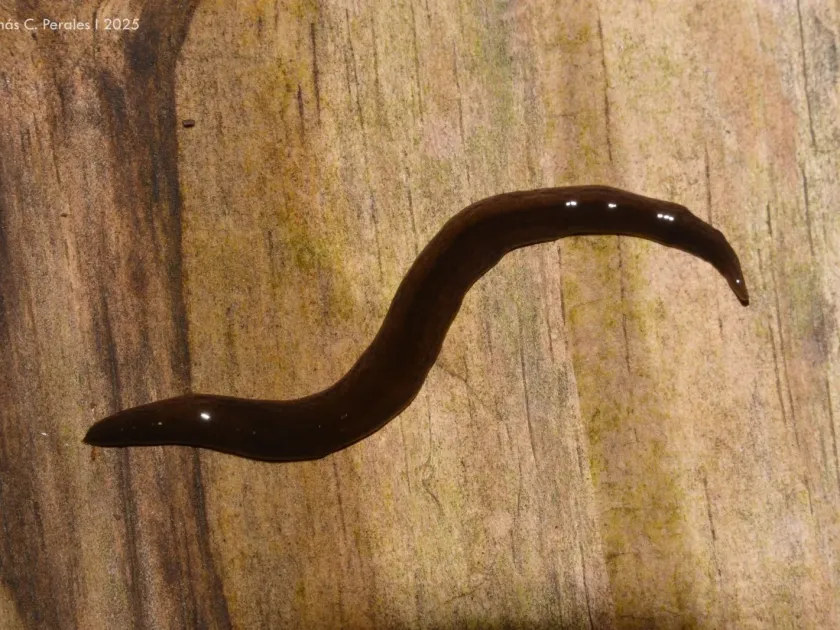
Obama nungara is an invasive species of terrestrial flatworm belonging to the family Geoplanidae. These worms have a characteristic flattened, elongated body that typically measures between 5 and 8 centimeters in length.
The dorsal surface is generally yellowish-brown to dark gray, often displaying a mottled or marbled pattern. The ventral surface is typically lighter, appearing beige or pale cream.
The head is blunt and features numerous small ocelli (eyespots) that assist the flatworm in navigating its environment. Their bodies are coated with mucus, which prevents desiccation and aids in movement across various surfaces.
Reproduction occurs through the deposition of egg cocoons, which are often hidden in the soil or under organic debris, making them difficult to detect and contributing to the rapid spread of the species.
As an invasive species, Obama nungara lacks natural predators in its new territories, which allows it to thrive and dominate local soil invertebrate populations.
What it damages
The primary impact of Obama nungara is its role as an aggressive predator of earthworms. By consuming earthworm populations, they cause significant ecological disruption in the soil.
The loss of earthworms results in decreased soil aeration, reduced nutrient cycling, and impaired water infiltration, all of which are detrimental to plant health and growth.
While the flatworm does not consume plant tissues directly, the indirect damage to the soil structure leads to reduced crop yields and increased vulnerability to environmental stressors.
In greenhouses and nursery settings, the presence of these worms can be catastrophic, as they destabilize the biological balance necessary for optimal plant development in containers.
Increased awareness is required in the ornamental plant trade, as the movement of soil and potted plants serves as the primary vector for the dispersal of these worms.
When it appears
Activity levels are highly dependent on humidity and ambient temperature. The flatworms thrive in mild, damp conditions, typically peaking during the spring and autumn months.
In controlled environments such as greenhouses or conservatory settings, these pests remain active year-round as long as moisture levels are maintained.
During periods of extreme heat or dryness, the worms retreat deep into the soil or seek shelter under thick layers of mulch to minimize water loss and remain in a dormant state.
They are most active on the soil surface at night or during overcast, rainy days when the risk of drying out is low.
Due to their adaptive nature, they can persist in various climates, often surviving winter conditions by remaining buried in the substrate.
Signs of infestation
A sudden decline in the local earthworm population is the most prominent indicator that Obama nungara may be present in the soil.
Visual identification can be confirmed by inspecting areas beneath stones, wooden boards, plant pots, or mulch where these worms frequently hide during the day.
Trailing mucus deposits on surfaces after rainfall or high humidity events often point to the presence and activity of the flatworms.
Nursery staff should remain vigilant for egg cocoons embedded in the substrate of newly arrived pots, which is a key sign of a potential infestation.
Poor growth performance of plants that otherwise appear to have adequate nutrition and water can also suggest an imbalanced soil ecosystem caused by this predator.
Control measures
Quarantine and strict monitoring of incoming nursery stock and potting soil are the most critical steps in preventing the introduction of this invasive species.
Mechanical collection remains the most effective control method. Worms should be removed manually (using gloves) and disposed of in a solution of salt or alcohol.
Managing the habitat by removing unnecessary debris, logs, and clutter from the garden helps eliminate the moist micro-habitats that these flatworms prefer.
Chemical control options are currently limited, as standard insecticides are often ineffective against terrestrial flatworms and may inadvertently harm beneficial organisms.
- Inspect the base of plant containers before introducing them to the garden.
- Use moist cardboard or wooden traps to monitor population levels.
- Maintain proper irrigation to avoid excessively wet conditions that favor the pest.
Taxonomy
- Latin name
- Obama nungara
- Family
- Geoplanidae
- EPPO code
- OBAMNU
Discussion
No discussions yet — be the first.