
Notodonta
Notodonta
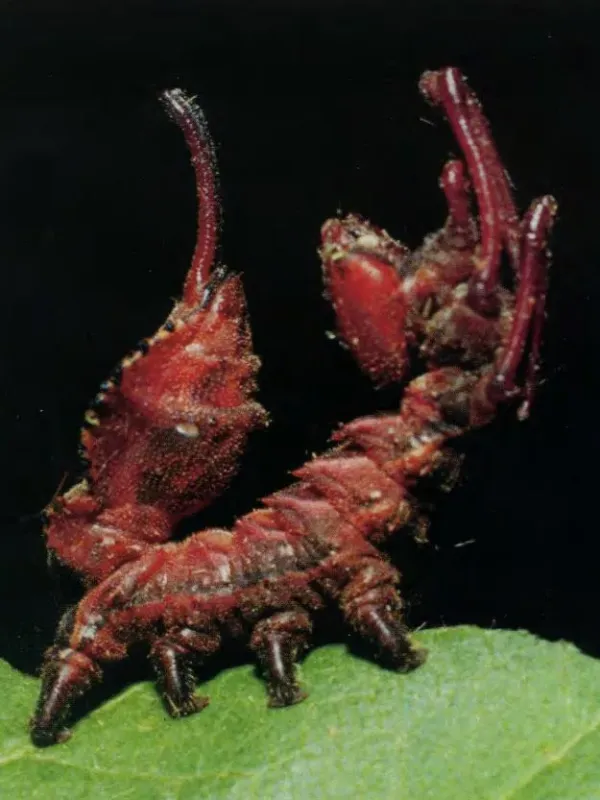
Description
How to identify
Notodonta is a genus of moths belonging to the family Notodontidae. Adult moths are typically cryptic in appearance, often mimicking the texture and color of tree bark to remain invisible during the day.
The larvae, commonly known as caterpillars, are notable for their unique morphology. They often feature distinct dorsal humps or projections that resemble tufts of hair, which gives them the common name "prominent moths" in some regions.
The life cycle involves complete metamorphosis, including egg, larva, pupa, and adult stages. These insects typically overwinter as pupae hidden in soil, leaf litter, or crevices within the bark of host trees.
The number of generations per year depends heavily on the local climate and temperature. In temperate regions, there is usually one major brood, but warmer areas may support multiple overlapping generations throughout the summer.
Adult moths are nocturnal and are attracted to artificial light sources. While they are often overlooked, their presence becomes evident through the feeding habits of their larvae on the foliage of host trees.
What it damages
The primary damage is caused by the caterpillars, which are voracious leaf-feeders. They consume large portions of leaf tissue, often leaving behind only the primary veins, which results in significant skeletonization of the canopy.
Notodonta larvae feed on a variety of broadleaf trees, including willow, poplar, birch, and alder. In orchards, they can occasionally target fruit trees like apple and pear, weakening the trees during the critical growing season.
Defoliation leads to a decrease in the tree's photosynthetic capacity, which impacts its ability to store energy for the following winter. Severely affected trees may exhibit stunted growth and reduced fruit yield.
Repeated infestations can significantly lower the overall vitality of a tree, making it more susceptible to secondary stressors such as drought, wood-boring insects, or pathogenic fungal infections.
From an economic and aesthetic perspective, these pests are problematic for nurseries, landscaping, and fruit production, as they diminish the health and visual quality of the trees.
Signs of infestation
The most reliable sign of an infestation is the presence of irregular holes or scalloped edges on leaves. As the caterpillars mature, they consume larger areas of the leaf, often stripping branches entirely.
Frass (caterpillar excrement) accumulating on lower foliage or on the ground beneath the tree canopy is a clear indicator of active feeding. This is often the first sign gardeners notice before spotting the larvae.
Caterpillars often use silk to tie leaves together or create protective shelters. Looking for these distorted or webbed leaf clusters can help locate the pests during the day when they are less active.
Visual inspection of the twigs is essential, as the larvae often align themselves with branches or leaf stems to camouflage. Their body shape and coloration allow them to blend in perfectly with their surroundings.
In cases of high infestation, the sound of active feeding can occasionally be heard, particularly during peak summer evenings when the caterpillars are most ravenous.
Control measures
Cultural control methods include cultivating the soil around the base of the trees in late autumn. This action disturbs the pupae and exposes them to natural predators and freezing winter conditions.
Manual removal of caterpillars and egg clusters is highly effective for small-scale gardens. Regularly inspecting the undersides of leaves during the early season can prevent a larger outbreak.
Biological control agents, such as formulations containing Bacillus thuringiensis, are highly effective against young larvae while remaining safe for beneficial insects, pollinators, and the surrounding environment.
Chemical intervention should be reserved for severe infestations that exceed economic damage thresholds. Always choose selective insecticides that minimize impact on non-target species and follow all safety labels.
- Encouraging natural bird populations to nest in the garden.
- Applying sticky bands to tree trunks to intercept larvae.
- Implementing regular pruning to remove infested branches.
Taxonomy
- Latin name
- Notodonta
- Order
- Lepidoptera (butterflies)
- Family
- Notodontidae
- EPPO code
- NOTDSP
Discussion
No discussions yet — be the first.