
Grape plume moth
Nippoptilia vitis
Description
How to identify
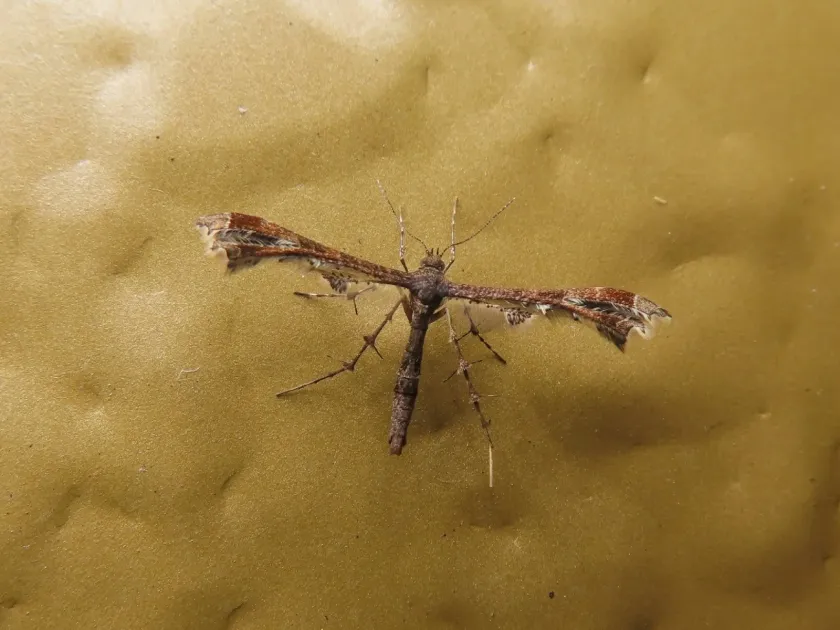
The Grape plume moth (Nippoptilia vitis) is a member of the Pterophoridae family within the order Lepidoptera. These moths are distinct due to their wing structure, which is divided into "plumes" or lobes, giving them a very narrow and ragged appearance when at rest.
Adult moths are typically small and possess cryptic coloration ranging from light brown to grey. This camouflage allows them to blend in perfectly with vine bark and dried wood, making them difficult to spot during daylight hours.
The larvae, or caterpillars, are slender and often decorated with short, sparse hairs. They prefer to live in concealed environments, frequently webbing leaves together or boring into developing grape inflorescences to feed undisturbed.
The life cycle involves a complete metamorphosis: egg, larva, pupa, and adult. Depending on regional temperatures and seasonal conditions, this species may complete several generations within a single growing season.
They typically overwinter as pupae or dormant larvae. These insects seek refuge in protected locations such as bark fissures, crevices in vine trunks, or among leaf litter directly underneath the host plants.
What it damages
The primary host for this pest is the grapevine (Vitis vinifera). The larvae cause significant economic damage by targeting the most vulnerable parts of the vine during the initial stages of vegetative growth.
The damage begins with the consumption of buds before they open. By destroying the primary buds, the larvae directly reduce the potential fruit-bearing capacity of the vine for the entire current season.
During the flowering stage, the larvae feed on the inflorescences, often webbed together. This leads to the drying out and loss of flower clusters, resulting in poor berry set and a significant decline in overall yield.
Beyond direct consumption, the wounds inflicted by larvae provide entry points for various fungal and bacterial pathogens. This secondary infection can further stress the plant and reduce the health of the entire vine.
When infestation levels are high, the growth of new shoots is stunted or deformed. This impacts the overall physiological health of the vine and limits its ability to accumulate nutrients for winter dormancy.
Signs of infestation
The most visible indicator of an infestation is the presence of fine webbing covering the tips of young shoots or binding leaves together. Inside these silk nests, larvae feed and hide from predators.
Damaged inflorescences will start to wither and die prematurely. If you inspect a vine, you may see dry, brown flower buds that fail to develop, often held in place by the pest's silk webbing.
Adult moths are often seen flying during twilight hours. They are attracted to lights but are most commonly found near the canopy, where females deposit eggs on the undersides of leaves.
Larval excrement, appearing as small, dark pellets caught within the webbed leaf clusters, is a definitive sign of an active infestation that requires immediate attention.
- Webbing on shoot tips.
- Deformed leaves and shoots.
- Withering grape inflorescences.
- Presence of larval frass (droppings).
Control measures
Cultural control is a cornerstone of management. Removing and destroying vine trimmings and leaf litter prevents the moth from completing its overwintering cycle in the vineyard environment.
Tilling the soil beneath the vines during the off-season can disrupt the pupation sites, reducing the number of moths that successfully emerge the following spring to start a new generation.
Biological control using microbial insecticides based on Bacillus thuringiensis is highly effective against young larvae while remaining safe for beneficial predatory insects found in the vineyard.
Chemical intervention should be reserved for periods of high pressure and timed precisely with the moth's life cycle. Applying contact-systemic insecticides during the early larval stage yields the best protection results.
Implementing pheromone monitoring traps helps growers detect the initial emergence of adult moths. This data-driven approach ensures that protective measures are applied only when necessary, improving efficiency.
Taxonomy
- Latin name
- Nippoptilia vitis
- Order
- Lepidoptera (butterflies)
- Family
- Pterophoridae
- EPPO code
- STEOVI
Discussion
No discussions yet — be the first.