
Nippoptilia
Nippoptilia
Description
How to identify
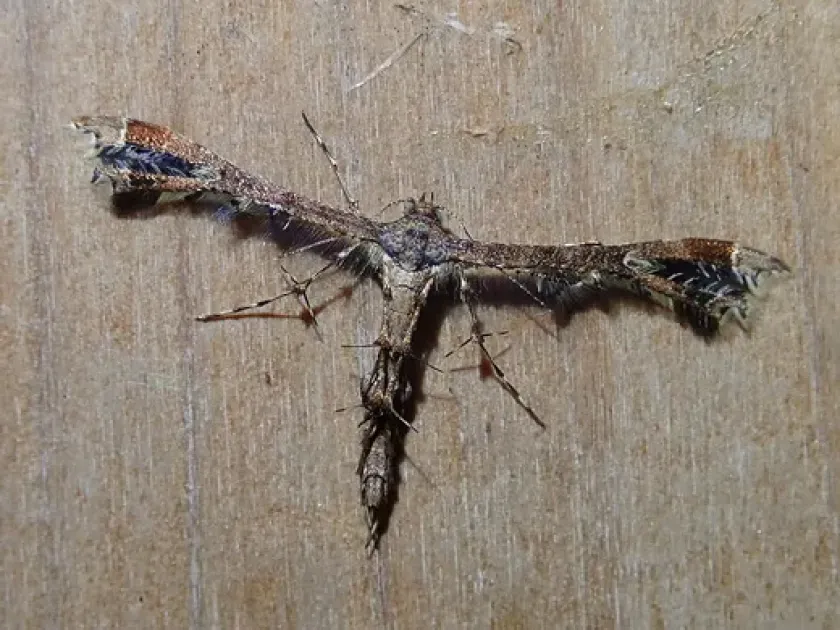
Nippoptilia is a genus of insects belonging to the plume moth family (Pterophoridae). These moths are characterized by their deeply cleft wings, which are divided into distinct lobes, giving them a feather-like appearance.
Adult moths typically exhibit cryptic coloration, which helps them blend in perfectly with plant bark and foliage during daylight hours. They often rest with their wings folded tightly against their bodies.
The larvae are mobile and possess a body structure often covered in sparse hairs. They are adept at remaining hidden within the plant's architecture to avoid avian predators.
The life cycle undergoes complete metamorphosis, including egg, larval, pupal, and adult stages. The larvae are the primary stage responsible for causing damage to the host plants.
Identification of the species level often requires detailed examination of genitalia, as many members of the plume moth family share similar external morphological traits.
What it damages
Nippoptilia species are known to cause damage primarily to plants within the Vitaceae family, particularly grapevines. They are considered occasional pests in commercial vineyards.
The larvae feed on young leaves, developing buds, and floral clusters. By consuming these essential plant parts, they can significantly reduce the potential grape yield.
Beyond cultivated vineyards, these insects may utilize wild host plants as reservoirs, which can facilitate their survival and re-infestation of crops year after year.
Tissue damage caused by feeding larvae can lead to physiological stress in the vine, making it more susceptible to secondary fungal or bacterial infections.
Severe infestations can result in the destruction of growing tips, leading to deformed shoot development and an overall reduction in the plant's vigor for the season.
When it appears
The activity of Nippoptilia typically begins in the spring, coinciding with the onset of the grapevine's vegetative growth period and increasing temperatures.
Depending on the climatic conditions of the region, the pest can complete multiple generations within a single growing season, necessitating ongoing vigilance.
The peak period of larval feeding often aligns with the blooming stage of the grapevines, making this the most critical time for monitoring and intervention.
The insect typically overwinters in protected areas such as bark crevices or under plant debris, emerging as the weather becomes favorable in the following spring.
Higher temperatures generally accelerate the insect's life cycle, meaning that warmer summers often correlate with higher pest pressure and increased potential for damage.
Signs of infestation
An early sign of infestation includes small, irregular holes in the leaf blades, created as the larvae feed on the green tissue during their initial development.
The presence of silken webbing around flower buds or young clusters is a telltale sign. Larvae use this silk to construct protective shelters during the feeding process.
Frass (larval excrement) is frequently found near the feeding sites or inside rolled leaves, acting as a clear indicator of active larval presence in the foliage.
Premature wilting or browning of specific flower clusters often suggests that a larva has damaged the stalk, disrupting the transport of nutrients to the fruit cluster.
In cases of high infestation, clusters may appear stunted or partially destroyed, which significantly impacts the quality and quantity of the final harvest.
Control measures
Integrated Pest Management (IPM) is the most effective approach to handling Nippoptilia. This involves combining cultural practices with biological and chemical control methods.
Sanitation is key; removing overwintering sites such as weeds and infested plant debris can significantly lower the population density in the vineyard before the growing season.
Biological control agents, including parasitic wasps or sprays containing Bacillus thuringiensis, are highly effective against larval stages while remaining safe for beneficial insects.
- Install pheromone traps to monitor adult moth activity and time insecticide applications precisely.
- Manually remove and destroy infested clusters or leaves during the early stages of the season.
- Maintain healthy vineyard conditions to help plants recover from pest-induced stress.
Routine scouting is essential for success. Early detection allows for targeted interventions, reducing the need for broad-spectrum chemical treatments and ensuring sustainable yields.
Taxonomy
- Latin name
- Nippoptilia
- Order
- Lepidoptera (butterflies)
- Family
- Pterophoridae
- EPPO code
- NPPPSP
Discussion
No discussions yet — be the first.