
Neuroterus
Neuroterus
Description
How to identify
Neuroterus is a genus of gall wasps belonging to the family Cynipidae, order Hymenoptera. These tiny insects are well-known for their ability to induce the formation of galls — abnormal outgrowths on various parts of the host plant.
Adult Neuroterus specimens are very small, typically ranging from 2 to 3 millimeters in length. Their bodies are generally dark-colored, often black or deep brown, making them difficult to detect without a professional inspection.
The taxonomic position of this genus characterizes it as a specialized phytophage. Their life cycle is deeply intertwined with oak trees, where the larvae grow protected inside the gall, which also serves as their primary food source.
The species diversity within the genus is significant, with each species causing a distinct type of gall. Identifying the shape and location of the gall is the most reliable method for amateur and professional gardeners to classify the pest.
The biology of these insects is complex, often involving an alternation of generations, where different cycles of the same species may produce different types of galls and exhibit different physiological behaviors.
What it damages
Neuroterus species are exclusively associated with oak trees (Quercus). They show high host specificity, meaning they rely on particular species of oaks for their survival and reproductive success.
The primary damage occurs on leaf blades, leaf stalks, or buds. The larvae induce the plant to redirect its energy toward gall production, effectively stealing nutrients that the tree would otherwise use for growth or defense.
A heavy infestation can significantly weaken the tree, leading to sparse foliage and decreased aesthetic value. In young plantings or nurseries, this stress can inhibit the tree's natural development and vertical growth.
Early leaf drop is a common consequence of high gall density. This reduces the total photosynthetic area, which is vital for the tree's health during the peak of the growing season, potentially making it more susceptible to secondary infections.
While mature and healthy oaks can usually withstand the pressure caused by Neuroterus, the recurring cycle of infestation gradually degrades the tree's vigor over several consecutive years.
When it appears
The annual life cycle begins in spring, synchronized with the oak bud burst. This timing is critical, as adults emerge precisely when fresh, soft tissue is available for the next generation of galls.
Throughout the summer, the insects pass through several phases. The speed of development and the transition between different gall-forming stages are heavily influenced by local temperature and moisture conditions.
By autumn, the insects complete their cycle by forming mature, overwintering galls. A large portion of the population remains on the ground within fallen leaves, creating a reservoir for the following year.
Monitoring the phenology of the tree and the emergence of the wasps is essential for effective pest management. Understanding when the adults are most active helps in predicting infestation levels.
Seasonal patterns are predictable, allowing arborists to time their preventive actions, such as debris removal, to coincide with the most vulnerable periods of the insect's life cycle.
Signs of infestation
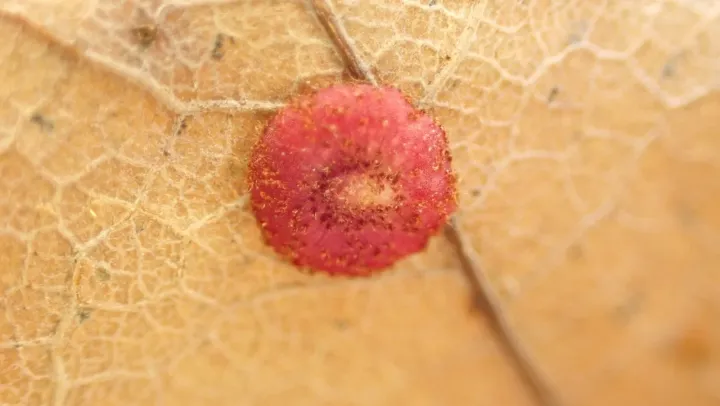
The most prominent sign of a Neuroterus infestation is the presence of small, numerous galls on the underside of oak leaves. They can appear as flat discs, lentils, or spherical growths depending on the specific wasp species.
Another indicator is the swelling or deformation of young buds and shoots. These larger, more conspicuous galls are easy to spot during a routine inspection of the tree canopy.
As the season progresses, infected leaves may show chlorosis or premature yellowing. The foliage may appear curled or stunted, which is a telltale sign of heavy colonization by gall-forming larvae.
In autumn, the presence of dry, brown galls attached to fallen leaves on the ground is a clear sign that the population has successfully completed its cycle and is preparing to overwinter.
- Appearance of various growths (galls) on leaf surfaces.
- Leaf curling and deformation of leaf stalks.
- Premature yellowing and leaf loss in late summer.
- Small exit holes in mature galls, indicating the departure of adult wasps.
Control measures
The primary cultural control method is the thorough collection and disposal of fallen leaves during autumn. Removing this debris eliminates the overwintering site for a significant portion of the population.
In landscape management and nurseries, pruning and destroying infested twigs or branches can help reduce the local concentration of the pest if the infestation is caught early.
Chemical control is rarely necessary for mature trees and should be reserved for nursery settings. If required, insecticides should be applied during the adult flight period, following local guidelines for integrated pest management.
Promoting a healthy ecosystem that supports natural predators, such as parasitic wasps that hunt gall wasp larvae, is the best long-term strategy for keeping Neuroterus populations in check.
General tree health practices, including proper irrigation and soil care, help the oak tree remain vigorous enough to tolerate the minor damage caused by these gall-forming insects.
Taxonomy
- Latin name
- Neuroterus
- Order
- Hymenoptera
- Family
- Cynipidae
- EPPO code
- NEUTSP
Discussion
No discussions yet — be the first.