
Nauphoeta
Nauphoeta
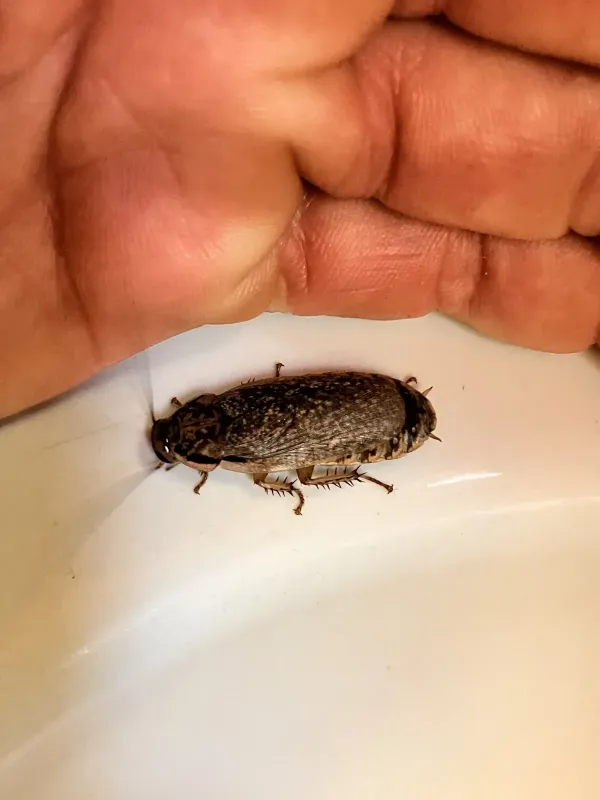
Description
How to identify
The Nauphoeta, specifically the species Nauphoeta cinerea (commonly known as the lobster cockroach or speckled cockroach), belongs to the order Blattodea and the family Blaberidae.
Adults reach 20–30 mm in length. They have a flattened, ash-gray body that allows them to thrive in the narrow cracks and crevices of greenhouse structures.
Nymphs resemble the adults but lack wings and are smaller in size. Their development follows incomplete metamorphosis, typical of the order.
This species is nocturnal, spending most of the daylight hours hiding under pots, in substrate, or within the hidden infrastructure of growing facilities.
Lobster cockroaches are hardy and highly reproductive, making them persistent and difficult-to-eradicate pests in controlled environments.
What it damages
Nauphoeta is an omnivorous feeder. In greenhouse settings, it attacks both the vegetative parts and the flowers of various ornamental and horticultural crops.
The pest consumes soft plant tissues, causing irregular holes in leaves and stripping the epidermis from young shoots.
Seedlings are particularly vulnerable; even minor feeding damage on the stem can lead to the total collapse and death of young, delicate plants.
Beyond physical consumption, the insects contaminate plants with feces, which provides a substrate for the growth of opportunistic fungi and bacteria.
In ornamental floriculture, they often target buds and petals, rendering the product unmarketable and causing significant economic loss.
When it appears
As a tropical-origin species, Nauphoeta is active year-round in greenhouses, provided the climate is kept within a comfortable range for them.
The optimal temperature for reproduction and development is +25°C to +30°C. Development slows significantly if temperatures drop below +15°C.
In heated greenhouses, population growth is continuous, without natural seasonal dormancy, which creates a constant pressure on the crops.
Population surges often occur during the warmer months when the ambient heat within the greenhouse facilitates faster metabolism and shorter life cycles.
Infestations typically start through the introduction of contaminated growing media, old pots, or imported plant stock from other infested nurseries.
Signs of infestation
The first sign of an infestation is often uneven, ragged-looking leaf margins, which are frequently mistaken for slug or snail damage.
Small, dark fecal pellets scattered on leaves, benches, or the soil surface are a definitive indicator of a residing cockroach colony.
Night-time scouting with a flashlight is the most effective way to detect these nocturnal insects in action among the foliage.
Wilting of shoots and the development of secondary mold or rot on damaged plant parts suggest heavy localized feeding activity.
The presence of abandoned oothecae (egg capsules) in the folds of plastic coverings or underneath equipment confirms that a breeding population is present.
Control measures
Sanitation is the cornerstone of control. Removing plant debris, rotting organic matter, and maintaining tidy workspaces limits the available hiding spots.
Glue traps and monitoring stations can be used to track population levels and identify the hotspots of the infestation.
- Utilizing gel-based insecticide baits for targeted control.
- Rigorous disinfection of pots, trays, and tools between cycles.
- Manipulating greenhouse environments to stay outside their preferred breeding conditions.
For severe infestations, contact and stomach-action insecticides approved for use in closed environments may be required to bring the population down.
Application should be timed for the evening when the insects are most active and likely to traverse treated surfaces, maximizing the pesticide's efficacy.
Taxonomy
- Latin name
- Nauphoeta
- Family
- Blaberidae
- EPPO code
- NAUHSP
Discussion
No discussions yet — be the first.