
Brown-headed cowbird
Molothrus ater
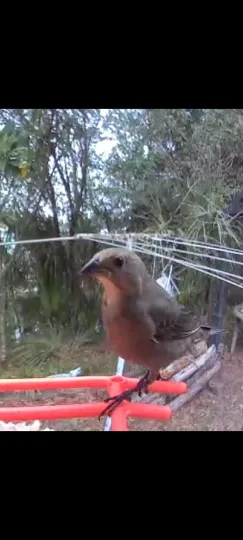
Description
How to identify
The Brown-headed cowbird (Molothrus ater) is a member of the Icteridae family. This species is widely recognized for its brood parasitic behavior, meaning it lays its eggs in the nests of other bird species to avoid the costs of parental care.
Males are easily identified by their iridescent black plumage and brown heads, whereas females possess a more muted grey-brown coloration. This dimorphism is a key characteristic used for field identification during monitoring efforts.
The species is highly adaptable, flourishing in habitats significantly modified by humans. They often aggregate in large flocks, which are common sights around agricultural operations where food resources are abundant throughout the year.
Their evolutionary history is tied to following herds of bison, which has transitioned to following livestock in modern agricultural landscapes. This proximity to cattle makes them a persistent presence on farms and in surrounding fields.
Biological success of the species is attributed to the rapid growth of their nestlings. By outcompeting host species in the nest, they ensure high survival rates, which contributes to the growth of their population and increased interaction with crops.
What it damages
The primary agricultural impact of the Brown-headed cowbird is the consumption of ripening grains. They feed extensively on crops such as corn, wheat, sorghum, and millet, often causing substantial yield losses across large-scale farming operations.
Beyond feeding, these birds inflict physical damage on young seedlings. The weight and activity of large flocks cause soil compaction and the crushing of tender stalks, which can significantly reduce the final stand density of the planted crops.
Their presence on farm infrastructure leads to significant sanitary issues. Massive accumulations of bird droppings contaminate feeding troughs, storage facilities, and outdoor areas, creating risks for livestock health and reducing feed quality.
Competition for resources is a major concern for livestock owners. The birds consume valuable feed meant for cattle and other animals, leading to economic strain as farmers must purchase supplemental supplies to compensate for the waste.
Secondary damage occurs when birds puncture the husks of grain, exposing the interior to moisture, bacteria, and fungal pathogens. This degradation drastically reduces the market value of the harvest and compromises its ability to be stored effectively.
Control measures
Managing Brown-headed cowbird populations requires the integration of non-lethal deterrents. Acoustic devices that simulate predator calls or bird distress signals are frequently deployed to prevent flocks from settling in vulnerable crop areas.
Visual deterrents, including hawk decoys, flash tape, and reflective balloons, provide effective temporary protection. These tools take advantage of the birds' heightened sense of vigilance, forcing them to relocate to less protected areas.
Cultural practices are essential for long-term management. Managing post-harvest crop residues by plowing or disking helps eliminate accessible food sources, which makes the fields less attractive to migrating flocks of cowbirds.
- Installing exclusion netting over sensitive crop sections or sheds.
- Using motion-activated repellent systems to deter landing.
- Regular cleaning of feed bunks and grain storage areas to minimize attraction.
In cases of severe infestation, integrated pest management (IPM) protocols should be consulted. By combining habitat modification, deterrent technology, and monitoring, farmers can significantly reduce the impact of these birds on their agricultural outputs.
Taxonomy
- Latin name
- Molothrus ater
- Family
- Icteridae
- EPPO code
- MOLOAT
Discussion
No discussions yet — be the first.