
Micropeplus
Micropeplus
Description
How to identify
The genus Micropeplus belongs to the family Staphylinidae (rove beetles), within the order Coleoptera. These are minute, specialized beetles that have evolved to inhabit leaf litter and soil surface layers.
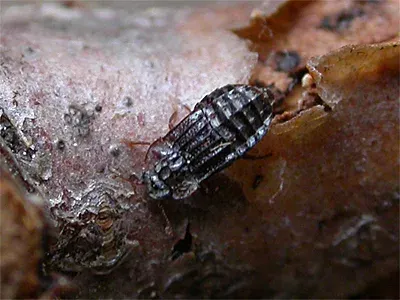
Morphologically, these beetles are easily distinguished by their broad, flattened bodies and distinctively sculptured elytra, which typically feature longitudinal ribs or pits. This shape allows them to navigate efficiently through soil crevices.
Adult beetles usually measure between 1.5 to 3 mm in length. Their coloration is generally dark brown or black, serving as effective camouflage against dark organic debris in agricultural fields.
Larvae are also adapted to soil environments, possessing well-developed legs and mouthparts that allow them to move and feed within the upper horizons of the soil profile.
Taxonomically, they are placed in the subfamily Micropeplinae, a group known for unique anatomical features that separate them from the more common, slender-bodied staphylinid beetles.
What it damages
While often considered harmless detritivores, Micropeplus species can become pests under specific conditions, particularly when they transition to feeding on live plant tissues of young seedlings.
Damage primarily occurs on grain crops and young vegetables during early growth stages, where the beetles and larvae feed on the hypocotyl and stem base, causing wilting or death of the seedling.
The impact is most severe in fields with high humidity and substantial amounts of decomposing organic matter, which provide an ideal habitat for large beetle populations.
Feeding damage can lead to thinning of crop stands, often causing farmers to mistake the injury for root rot or early-stage fungal blight if the beetles themselves are not identified.
Losses are most significant when adverse weather conditions slow down seedling growth, making them more susceptible to sustained feeding by the beetle population.
When it appears
The peak activity of Micropeplus is strongly correlated with moist conditions and moderate soil temperatures, typically peaking during the spring emergence period.
A second, less intense period of activity often occurs in late autumn as individuals seek shelter in deeper soil layers or among organic residues to survive the winter.
During the peak of summer, surface activity is minimized as the insects burrow into cooler, deeper soil to escape desiccation, entering a state of reduced physiological activity.
The life cycle is closely synchronized with the moisture content of the soil, making populations more explosive in years with frequent spring precipitation.
Winter survival is primarily achieved by adult beetles, which are highly resilient to cold provided they find adequate cover in the soil or under surface debris.
Signs of infestation
Signs of an infestation include the presence of small, shallow gouges or eroded patches on the stems of young plants near the soil surface.
Patches of seedlings exhibiting unexplained wilting or chlorosis, not associated with disease, often indicate insect feeding damage at the root neck level.
If suspicious damage is observed, inspecting the soil around the base of the plant during moist, early morning conditions can reveal the small beetles actively moving.
The use of pitfall traps is the most reliable method for monitoring population levels and assessing the potential risk to newly sown crops before germination is complete.
Evidence of frass or fine soil disturbances around the plant stem can provide additional clues that these beetles are present and actively feeding in the vicinity.
Control measures
Effective management relies on cultural practices that minimize the habitat available for Micropeplus populations, specifically by reducing surface debris.
Deep autumn plowing is a recommended practice to disrupt the beetles' overwintering sites, exposing them to environmental stresses that reduce overall population survival.
Seed treatments using systemic insecticides provide a critical layer of protection for young seedlings, ensuring they grow past the most vulnerable early stages without significant damage.
Maintaining clean fields by managing weeds and properly incorporating organic matter helps eliminate the secondary food sources that attract these beetles to crop areas.
- Implement deep tillage to disturb soil-dwelling populations.
- Use systemic insecticidal seed coatings to ensure seedling establishment.
- Practice crop rotation to interrupt the beetle life cycle in specific fields.
- Monitor soil moisture and debris levels to assess infestation risk.
Taxonomy
- Latin name
- Micropeplus
- Order
- Coleoptera (beetles)
- Family
- Staphylinidae
- EPPO code
- MCPLSP
Discussion
No discussions yet — be the first.