
Micromus timidus
Micromus timidus
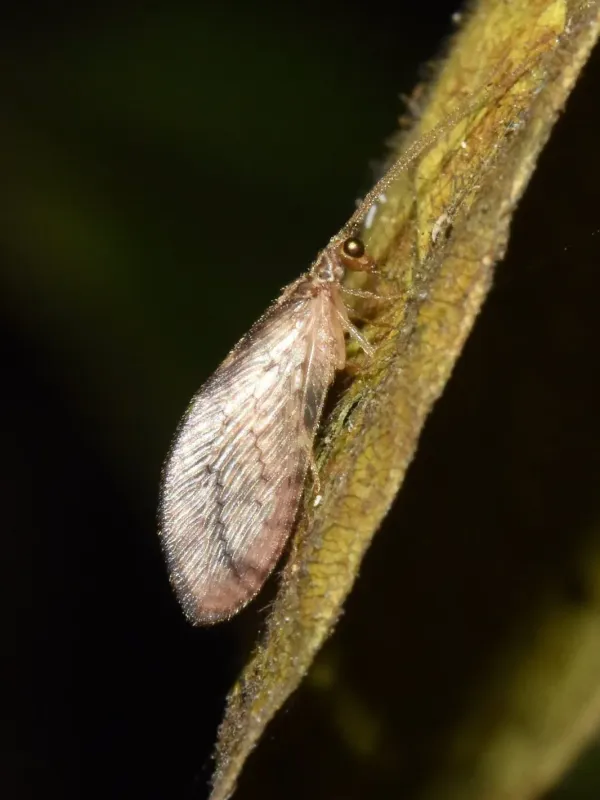
Description
How to identify
Micromus timidus belongs to the order Neuroptera and the family Hemerobiidae. While many members of this family are recognized as beneficial predators, this particular species can pose challenges to agricultural systems under specific environmental conditions.
The adults are small insects with a brownish appearance, typically featuring intricate, net-like wing patterns. This coloring serves as effective camouflage against tree bark and organic debris, making them difficult to detect in the field.
The life cycle encompasses four stages: egg, larva, pupa, and adult. The larval stage is the most active and is responsible for feeding, possessing specialized mouthparts that can pierce plant tissues to extract sap.
This species displays a high level of adaptability to diverse climatic conditions, allowing it to rapidly colonize various environments. Population growth is typically rapid during periods of favorable temperatures and humidity.
Identification by professional agronomists often requires microscopic examination of the wing venation patterns to differentiate this species from other closely related insects within the brown lacewing family.
What it damages
The primary damage occurs when populations of Micromus timidus increase beyond their usual ecological balance, causing them to feed on the succulent tissues of young plant shoots and foliage.
Symptoms of infestation include small, localized punctures on leaves, which subsequently develop into necrotic spots. If the infestation is severe, these spots can merge, leading to premature leaf wilting and desiccation.
Young seedlings are particularly vulnerable to this type of damage, as the loss of integrity in leaf tissue reduces photosynthetic efficiency, leading to stunted growth and developmental delays.
The physical damage to the plant epidermis can weaken the overall immunity of the crop, creating entry points for secondary infections by pathogens, such as fungi or bacteria, which can cause further losses.
In ornamental nurseries and orchards, cosmetic damage to leaves can significantly reduce the market value of the plants, necessitating intervention to prevent further aesthetic degradation.
When it appears
The active season for Micromus timidus begins in late spring, following the emergence of adults from their winter diapause once average temperatures consistently rise above 15-20 degrees Celsius.
The species can complete several generations throughout the growing season. The peak of infestation activity usually coincides with the most active periods of crop development, when young, succulent tissue is most abundant.
A single generation typically completes its life cycle within 3 to 5 weeks. Rapid development times mean that populations can quickly multiply if weather conditions remain stable and favorable for the larvae.
As autumn temperatures drop, individuals seek shelter in protected areas such as bark crevices or dense plant residue to hibernate until the following spring.
Monitoring efforts should commence during the bud burst stage of crops, utilizing visual inspections and sticky traps to identify early arrivals and prevent potential population surges.
Control measures
Effective management relies on integrated pest management (IPM) practices, emphasizing cultural control methods to disrupt the lifecycle of the insect within the farm ecosystem.
Chemical intervention should be considered a last resort, used only when pest density thresholds are exceeded, to avoid disrupting the beneficial insect populations that naturally suppress pest numbers.
Recommended protective measures include:
- Thorough cleanup and destruction of plant debris during the autumn and early spring.
- The use of sticky traps for early monitoring and mass trapping in greenhouse environments.
- Application of biological control agents, such as entomopathogenic fungi, when populations are high.
Maintaining optimal soil moisture and proper fertilization helps plants withstand damage. Healthy, vigorous crops are better equipped to tolerate minor pest pressure without a significant impact on final production.
Implementing strategies to attract and sustain natural predators within the field environment is also a critical long-term approach to controlling Micromus timidus populations without heavy reliance on pesticides.
Taxonomy
- Latin name
- Micromus timidus
- Family
- Hemerobiidae
- EPPO code
- MICUTI
Discussion
No discussions yet — be the first.