
Metopsia similis
Metopsia similis
Description
How to identify
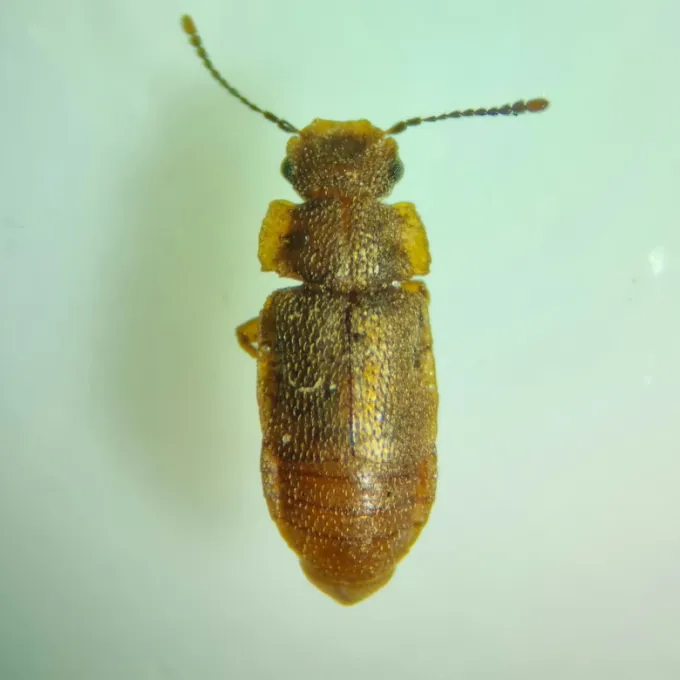
Metopsia similis is a small beetle belonging to the family Staphylinidae, within the order Coleoptera. These beetles are characterized by their small size and cryptic behavior, making them difficult to detect in agricultural fields.
Adults possess the typical staphylinid appearance with shortened elytra, exposing much of the abdomen. Their coloration is generally dark, which aids in camouflage within soil debris and organic matter.
Identification often requires professional entomological assessment, including examination of genital morphology, due to the high resemblance of this species to other closely related staphylinids.
Larvae are also soil-dwelling organisms that thrive in moist environments rich in decaying organic material, which is typical for many habitats where they reside.
While not a primary pest, they can become significant in systems where soil health and balance are disrupted, leading to potential damage to various plant species.
What it damages
The damage caused by Metopsia similis is primarily associated with the feeding of adults and larvae on underground plant parts, including seeds, roots, and young hypocotyls.
Affected crops include various vegetables and seedlings that are sensitive to root system interference during the early stages of development and crop establishment.
Feeding activities create small wounds on roots, which serve as entry points for secondary fungal and bacterial pathogens, often leading to root rot and systemic weakness.
Significant infestations can result in poor crop stands and uneven growth, causing economic losses for farmers, particularly in high-value vegetable production sectors.
In addition to direct feeding, the constant disturbance of the root zone can stress the plants, making them less capable of absorbing necessary nutrients and water from the soil.
When it appears
Metopsia similis is active throughout the warmer months, with adults emerging from their overwintering sites in the soil as soon as temperatures permit in early spring.
The life cycle is closely linked to soil moisture levels; excessive humidity can often promote higher activity and successful development of subsequent generations.
Overwintering occurs in the soil, where beetles remain protected from severe winter conditions, emerging when the ground begins to warm up.
The most critical window for crop damage is during the germination phase, when seeds and tender radicles are most vulnerable to the activities of these soil-dwelling insects.
Toward the end of the season, populations typically move deeper into the soil profile to prepare for the upcoming dormant period, reducing their visibility on the surface.
Signs of infestation
One of the primary indicators of a Metopsia similis infestation is the patchy emergence of seedlings or the sudden wilting of young plants without an obvious above-ground cause.
Close inspection of the soil around the base of the plant often reveals physical damage to the root system, such as irregular gnawing or eroded root hairs.
The physical presence of the beetles within soil samples collected from the root zone is the most definitive sign that the population is actively present.
Stunted growth, leaf chlorosis, or lack of vigor despite adequate soil moisture and fertilization levels often point to root-level issues caused by soil insects.
In cases of severe seed damage, farmers may observe that seeds fail to germinate or that the radical is destroyed shortly after breaking the seed coat.
Control measures
Integrated pest management strategies are crucial for controlling Metopsia similis, starting with a robust crop rotation program that disrupts their life cycle.
- Employ deep plowing to disturb overwintering sites and reduce beetle populations.
- Implement proper weed control to eliminate alternative habitats for the insects.
- Optimize irrigation schedules to prevent overly damp soil conditions that favor the pest.
- Use biological control agents, such as entomopathogenic fungi, to target soil-dwelling larvae.
Chemical control via soil-applied insecticides should be considered as a last resort, targeted specifically based on threshold monitoring of the beetle population.
Regular field scouting using pitfall traps or baiting techniques can provide essential data on population density, allowing for timely and effective management decisions.
Taxonomy
- Latin name
- Metopsia similis
- Order
- Coleoptera (beetles)
- Family
- Staphylinidae
- EPPO code
- MTOPSI
Discussion
No discussions yet — be the first.