
Melittomma sericeum
Melittomma sericeum
Description
How to identify
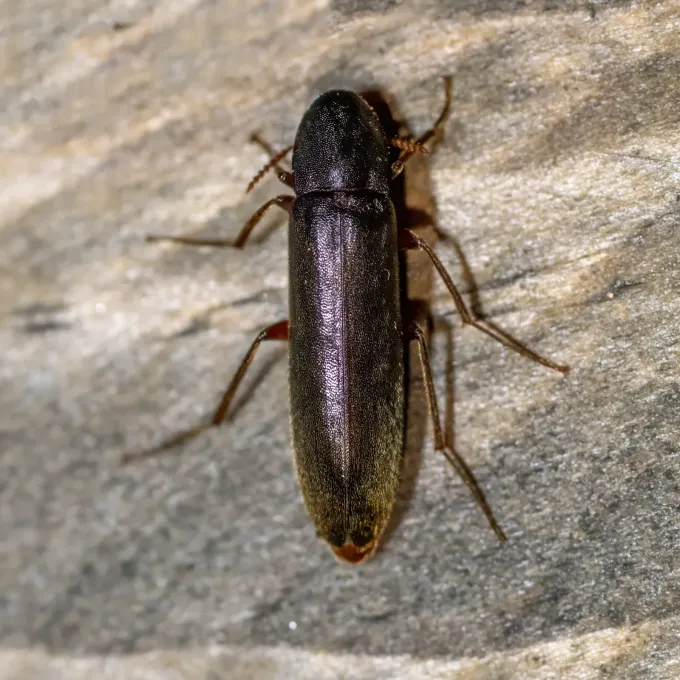
Melittomma sericeum, commonly known as a type of ship-timber beetle, belongs to the family Lymexylidae. Adult beetles typically range from 8 to 15 mm in length and possess an elongated body structure.
The name sericeum refers to the fine, silky hairs that cover the beetle's body, giving it a distinctive appearance under close observation.
Their coloration is generally dark brown or black, which helps them blend into the bark of the host trees they inhabit during their life cycle.
Larvae are white, cylindrical in shape, and possess robust mandibles specifically adapted for tunneling through the dense wood of various tree species.
Systematically, they are classified within the order Coleoptera, and their biology is heavily dependent on the health and moisture content of the wood they exploit.
What it damages
The primary hosts for Melittomma sericeum include several hardwood species, most notably chestnut trees (Castanea), as well as various oak species.
Larval activity involves creating complex galleries deep within the sapwood and heartwood, which effectively severs the tree's vascular system and hinders nutrient flow.
As the internal structure of the wood is compromised, the tree loses structural integrity, making it highly susceptible to mechanical failure, such as windthrow or limb snapping.
Secondary infections by fungi and other wood-decaying organisms are common in areas damaged by this beetle, accelerating the overall decline of the host tree.
In forest environments, severe infestations can lead to significant timber loss and, in extreme cases, the total death of affected specimen trees.
When it appears
Adult beetles are typically active during the warm summer months, which is the period when they emerge to mate and lay eggs on suitable host surfaces.
Females prioritize laying eggs in existing cracks, bark fissures, or previously damaged areas of the trunk to ensure the offspring have immediate access to woody tissue.
The larval stage is quite long and can persist for multiple years depending on environmental conditions and the quality of the wood available for feeding.
Larval development continues throughout the year, with activity levels fluctuating according to the internal temperature and moisture levels within the host tree.
Emergence of new adults usually occurs as the trees start their spring growing cycle, creating a synchronization between the pest population and the plant growth.
Signs of infestation
The most visible indicator of an infestation is the presence of fine wood dust, often called "frass," accumulating at the base of the tree or around cracks in the bark.
Exit holes, which appear as small, circular openings on the surface of the trunk, serve as evidence that adults have completed their development and emerged.
Signs of systemic stress, such as crown thinning, yellowing foliage, or premature leaf drop, often point to long-term internal damage caused by larval tunneling.
Sometimes, sap flow or weeping on the bark surface can be observed, which indicates the tree's biological response to the internal damage being inflicted.
A hollow sound upon tapping the trunk may indicate significant internal degradation, suggesting that the wood has been heavily compromised by the pest.
Control measures
Sanitation is a critical management strategy, involving the prompt removal and destruction of heavily infested trees to prevent the spread of the beetle to healthy specimens.
Systemic insecticides, particularly when applied via trunk injection, are considered the most effective way to reach the larvae hidden deep within the wood.
Maintaining high tree vigor through proper fertilization, adequate watering, and avoiding physical damage to the trunk is essential for natural resistance.
Pheromone traps are useful for monitoring population trends and timing control efforts, ensuring that treatments are applied when adults are most vulnerable.
In highly valued urban or park settings, annual check-ups are recommended to detect infestations early, significantly increasing the chances of successful tree recovery.
Taxonomy
- Latin name
- Melittomma sericeum
- Order
- Coleoptera (beetles)
- Family
- Lymexylidae
- EPPO code
- MEITSE
Discussion
No discussions yet — be the first.