
Lymexylon
Lymexylon
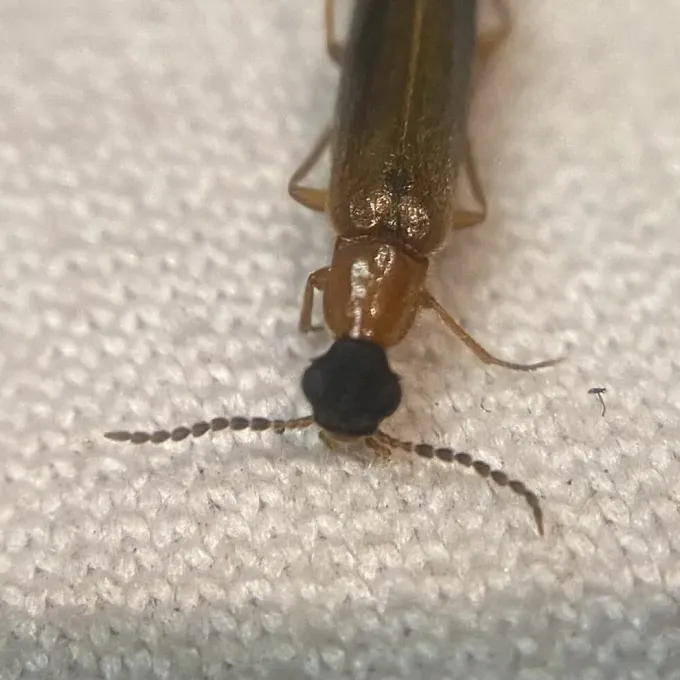
Description
How to identify
Lymexylon belongs to the Lymexylidae family, commonly known as ship-timber beetles. These insects possess an elongated body, typically ranging from 6 to 15 mm in length, with coloration varying from brown to black.
The larvae are cylindrical, whitish in color with a darker head capsule. Unlike the adult beetles, the larval stage is responsible for the primary damage to plants, as they bore deep tunnels into the wood.
These beetles have a unique biological association with specific fungi. Adult females carry fungal spores into the wood, providing food for their larvae as they develop within the tunnels.
Systematically, Lymexylon is classified within the order Coleoptera. A notable species is Lymexylon navale, which is notorious for attacking hardwoods and causing significant degradation in timber.
The adults are primarily crepuscular or nocturnal, making them difficult to spot on the bark during daylight hours unless a mass emergence event is occurring.
What it damages
The primary hosts are hardwood species. Lymexylon most frequently infests oak, beech, chestnut, and other deciduous trees found in forest ecosystems.
The pest prefers weakened, stressed, or already felled trees; however, during periods of high population density, it can also infest healthy, standing timber.
The damage is caused by larvae boring extensive, meandering galleries through the wood, which severely compromises the structural integrity and quality of the lumber.
The presence of symbiotic fungi within the larval tunnels accelerates wood decay, rendering the infested material unsuitable for high-quality carpentry or structural use.
In forest management, Lymexylon is considered a severe technical pest capable of significantly devaluing timber assets in affected forest compartments.
When it appears
Adult flight typically occurs from late spring through mid-summer. During this period, mating occurs, and females lay eggs within cracks or crevices in the tree bark.
The life cycle of Lymexylon can span from one to several years, depending heavily on ambient climatic conditions and the suitability of the host wood.
Larvae overwinter within the wood, maintaining biological activity even during minor temperature increases within the trunk if external conditions permit metabolic survival.
Pupation occurs at the end of the larval stage deep within the gallery, after which the adult beetle emerges by boring a circular exit hole to the surface.
The frequency and intensity of infestations are directly correlated with the availability of suitable breeding sites, such as high volumes of deadwood or forest debris.
Signs of infestation
The most distinctive sign of a Lymexylon infestation is the presence of small, circular exit holes on the bark surface where adult beetles have emerged.
Around the entry and exit points, fine frass (boring dust) can often be observed, which is expelled by the larvae as they feed and excavate the interior wood.
Internally, the wood exhibits a complex network of galleries, often stained dark due to the proliferation of the symbiotic fungi introduced by the adults.
Reduced tree vigor, the dieback of individual branches, or premature leaf drop can act as indirect indicators of internal structural damage caused by the larvae.
- Circular holes 1–2 mm in diameter.
- Accumulation of fine wood dust at the base of the tree.
- Dark fungal staining patterns visible on timber cross-sections.
Control measures
The primary control method is sanitation logging. The prompt removal and destruction of infested trees is essential to prevent the pest from spreading to healthy timber.
Maintaining forest hygiene is crucial; avoiding the accumulation of logging residues and standing deadwood prevents the creation of breeding grounds for the beetles.
For high-value lumber stored in yards, contact-based insecticides are used to create a protective barrier on the wood surface against female egg-laying.
Preventive strategies also focus on maintaining high tree health through proper silvicultural practices, ensuring trees are resilient against secondary pest colonization.
If localized infestations are detected in ornamental or park trees, direct chemical injection into the larval galleries can be performed, though this is only economically viable for high-value specimens.
Taxonomy
- Latin name
- Lymexylon
- Order
- Coleoptera (beetles)
- Family
- Lymexylidae
- EPPO code
- LYMESP
Discussion
No discussions yet — be the first.