
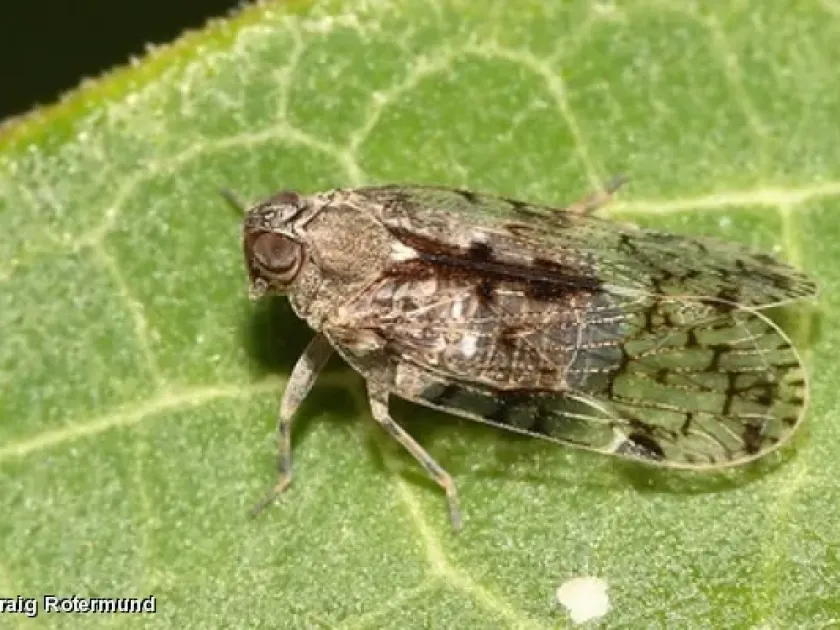
Melanoliarus placitus
Melanoliarus placitus
Description
How to identify
Melanoliarus placitus is a species belonging to the order Hemiptera and the family Cixiidae. It is a small insect that often evades detection due to its cryptic behavior and camouflage.
The adults are characterized by piercing-sucking mouthparts designed to extract plant sap. Their generally dark coloration helps them blend into the foliage of host plants.
Nymphs typically inhabit the soil or the base of plants, making them difficult to locate during routine field scouting. Their development involves several nymphal instars.
Identification is based on subtle morphological features, such as wing venation and genitalia structure, often requiring expert analysis for precise species confirmation.
These insects prefer humid environments and are frequently found in fields where cereal or technical crops are interspersed with grassy weed areas.
What it damages
Both adults and nymphs cause damage by feeding on plant sap. This feeding depletes the plant of essential nutrients and disrupts its internal physiological functions.
Seedlings are particularly vulnerable, with heavy feeding leading to stunted growth, leaf discoloration, and overall reduced vigor of the crop stands.
The most critical impact of this species is its role as a vector for phytopathogens, including various viruses and mycoplasma-like organisms that cause severe systemic diseases.
Root system damage by nymphs can hinder water and mineral uptake, exacerbating the stress caused by drought or poor soil conditions during the vegetative phase.
Secondary infections often take hold at feeding sites, where fungal or bacterial pathogens enter through punctures, further damaging the crop's health.
When it appears
Seasonal activity begins in spring as soil temperatures rise, triggering the emergence of nymphs from their overwintering sites to start feeding on roots.
Adult populations peak during the summer months, which often coincides with the most sensitive growth phases of field crops like cereals.
Activity gradually declines toward the autumn as the insects prepare to enter diapause or move deeper into the soil layers to survive the winter.
The number of generations per year is influenced by regional climate factors, particularly temperature and moisture, which dictate the speed of the life cycle.
Regular field monitoring is essential to track these seasonal trends, allowing farmers to apply control measures before populations reach critical thresholds.
Signs of infestation
The first signs of infestation include chlorosis or yellowing of leaves and a general lack of uniformity in the crop, with patches of stunted plants.
Closer examination may reveal the presence of honeydew on the leaves, which encourages the growth of sooty mold, a common indicator of sap-sucking insects.
Systemic symptoms like leaf rolling, stunted growth, or mosaic patterns often suggest that the insects have transmitted viral diseases to the host plants.
General wilting despite sufficient soil moisture can sometimes indicate severe root damage caused by nymphal feeding activity at the base of the plant.
- Leaf chlorosis and yellowing
- Growth retardation and stunting
- Presence of sooty mold
- Leaf deformation and curling
Control measures
Integrated Pest Management (IPM) is crucial, combining cultural, chemical, and biological strategies to keep populations below economic injury levels.
Cultural control practices, such as rigorous weed management and crop rotation, are effective in reducing the availability of host plants for both the pest and the pathogens it carries.
Chemical control involves the timely application of systemic insecticides during peak infestation periods, while ensuring the preservation of beneficial insects.
Selecting resistant crop varieties can help mitigate damage, even in areas where the pest is endemic, providing a reliable foundation for crop protection.
Monitoring using yellow sticky traps is a recommended practice to detect early arrival and migration patterns, enabling precision applications rather than blanket treatments.
Taxonomy
- Latin name
- Melanoliarus placitus
- Order
- Hemiptera (bugs, aphids, leafhoppers)
- Family
- Cixiidae
- EPPO code
- MLOLPL
Discussion
No discussions yet — be the first.