
Melanoliarus
Melanoliarus
Description
How to identify
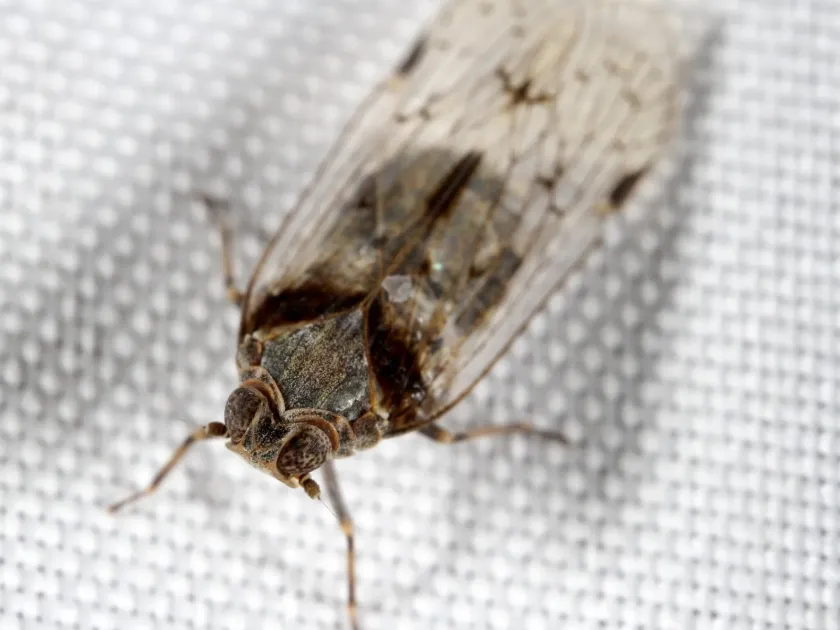
Melanoliarus is a genus of planthoppers belonging to the family Cixiidae. These small insects are often overlooked in vineyards due to their cryptic behavior and subtle physical appearance.
Adult specimens typically exhibit a dark-colored body, consistent with the genus name. Their wings are held roof-like over the abdomen when at rest, a characteristic trait of this family.
The immature stages (nymphs) live in the soil, feeding on plant roots. They are often white or pale, possessing specialized mouthparts for extracting xylem and phloem sap.
Melanoliarus insects undergo hemimetabolous development, meaning they do not have a pupal stage. Their life cycle is deeply integrated with the root systems of their host plants.
Identification of specific species within the genus often requires examination of genitalia under magnification, as external morphological features are frequently indistinguishable to the naked eye.
What it damages
The primary concern regarding Melanoliarus is its role as a vector for phytoplasmal diseases in viticulture. The insects transmit pathogens while feeding on the vines.
Root-feeding by nymphs significantly reduces the vigor of the vine, making the plant more susceptible to environmental stressors and secondary fungal infections.
Adults feeding on the aerial parts of the plant extract vital nutrients, leading to reduced photosynthetic capacity and negatively impacting berry sugar levels and wood ripening.
Phytoplasma infection results in severe physiological disruptions, causing symptoms such as yellowing of leaves, stunting of shoots, and poor fruit set or shriveling of grapes.
Persistent infestations often lead to a general decline in vineyard health, reduced longevity of the vines, and ultimately lower crop yields over multiple growing seasons.
When it appears
The peak flight activity of adult Melanoliarus usually occurs during late spring and early summer, aligning with the flowering period of grapevines.
Nymphal activity within the soil increases as temperatures rise in the spring, coinciding with the growth of new, tender roots which the nymphs prefer for feeding.
During the autumn and winter months, the insects usually retreat deeper into the soil profile to overwinter, becoming less accessible to surface-applied pesticides.
The timing of the insect's life cycle is heavily influenced by local climate, soil moisture levels, and the presence of vegetative cover in the vineyard rows.
Multiple generations may occur in warmer climates, while single-generation cycles are more common in temperate viticultural regions, affecting the timing of monitoring efforts.
Signs of infestation
Symptoms of phytoplasma infection, such as leaf yellowing and curling, are the most distinct indicators that Melanoliarus may be present as a vector in the area.
Stunted growth of new shoots and shortened internodes can be observed on vines that have been severely affected by the feeding and disease transmission of these pests.
Direct visual observation of the adults on the undersides of leaves or near the base of the vine shoots is possible, particularly during the early morning hours.
Excessive weed growth between vineyard rows acts as a shelter for the planthoppers, and the presence of such vegetation is a reliable sign of increased pest risk.
Poor vine productivity, characterized by sparse foliage and shriveled fruit, often indicates a long-term infestation that has led to systemic disease spread within the vineyard.
Control measures
Integrated Pest Management (IPM) is essential for controlling Melanoliarus. Cultural control practices, such as weed management, are the first line of defense.
The application of systemic insecticides during the peak adult flight period is necessary to minimize the transmission of phytoplasmal pathogens between vines.
- Maintaining clean rows to reduce habitats for the planthoppers.
- Rogueing or removing heavily infected vines that serve as pathogen reservoirs.
- Monitoring adult populations using yellow sticky traps to trigger timely chemical interventions.
Promoting a balanced ecosystem by encouraging natural predators may assist in keeping planthopper populations below economic threshold levels in sustainable vineyards.
Preventative measures, including the use of certified healthy rootstock and maintaining optimal vine nutrition, significantly enhance the plant's resilience against this pest.
Taxonomy
- Latin name
- Melanoliarus
- Order
- Hemiptera (bugs, aphids, leafhoppers)
- Family
- Cixiidae
- EPPO code
- MLOLSP
Discussion
No discussions yet — be the first.