
Melanerpes woodpeckers
Melanerpes
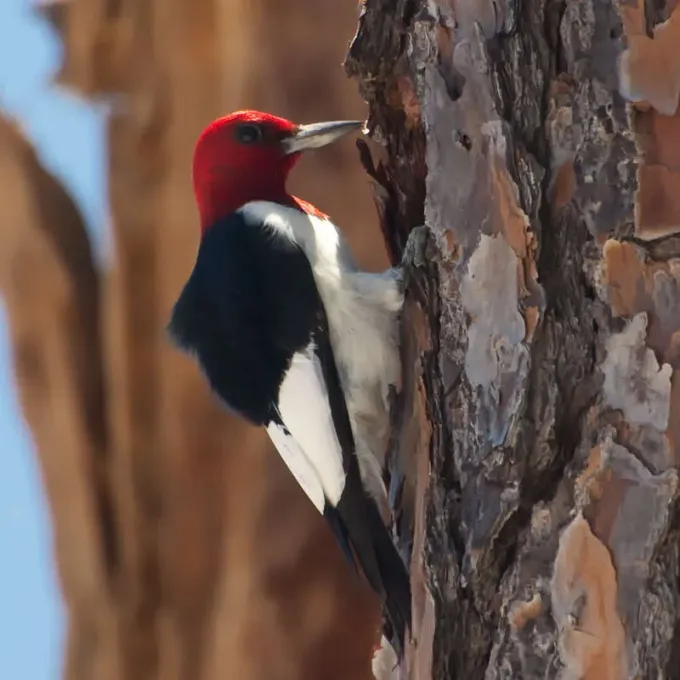
Description
How to identify
Woodpeckers of the genus Melanerpes are members of the Picidae family, characterized by their unique adaptation to consuming not only insects but also fruits, nuts, and sap.
These birds are typically medium-sized with distinctive plumage patterns, often featuring bright red or yellow markings on their heads or bellies, making them easy to identify.
Unlike specialized insectivorous woodpeckers, the Melanerpes species are opportunistic feeders, which brings them into direct conflict with fruit and nut growers.
Their anatomy, specifically the structure of the beak and tongue, is highly specialized, allowing them to extract nutrients efficiently from both wood and plant tissues.
In agricultural settings, their behavior is driven by the search for high-sugar food sources, which makes commercial orchards an ideal target for their foraging activities.
What it damages
The primary damage caused by these woodpeckers involves the destruction of ripened fruit, including apples, pears, peaches, and cherries, rendering the crop unmarketable.
They also cause mechanical damage to branches and trunks by drilling holes to reach the cambium layer, which significantly weakens the structural integrity of the trees.
These drilling activities create entry points for pathogens, including bacteria and fungi, which can lead to severe wood rot and the subsequent decline of tree health.
During peak infestation periods, these birds can reduce yields by a significant percentage, causing substantial economic losses for commercial orchardists.
Additionally, they have been known to cause damage to non-organic assets, such as irrigation pipes and protective netting, when exploring or marking their territory.
When it appears
Activity levels are highest during the summer and early autumn when fruits reach their peak ripeness and sugar content, becoming a primary food source for the birds.
Late winter and early spring are also critical times, as natural food sources are scarce, leading birds to feed on dormant tree buds or excavate wood to find overwintering insects.
Drought conditions in the summer often force these birds to migrate from their natural forest habitats into irrigated orchards in search of water and succulent fruits.
Breeding and nesting cycles influence their presence near orchard peripheries, where they may search for nesting sites in older or decaying trees.
Daily activity is concentrated during the early morning and late afternoon hours, coinciding with the times when they are most likely to feed in the canopy.
Signs of infestation
Deep, ragged holes in the fruit, often surrounded by rot, are a primary diagnostic sign that the crop is being targeted by Melanerpes species.
Row patterns of circular holes drilled into the tree bark, often referred to as sap wells, are clear indications of their ongoing activity in the orchard.
Accumulation of partially eaten fruit beneath the canopy, often accompanied by bird droppings, provides immediate evidence of bird presence.
Visually detectable sap flow from wounds on the bark, combined with areas of dead or drying foliage, highlights severe damage to the vascular system of the tree.
Frequent auditory cues, such as their characteristic calls or the sound of drumming on wooden surfaces, are reliable indicators that these birds are active in the area.
Control measures
Effective management strategies include the use of acoustic repellents, such as recorded distress calls or predator sounds, to discourage birds from settling in the orchard.
Physical exclusion through the use of bird netting is the most reliable method for protecting high-value crops during the critical ripening stages.
Visual deterrents, including reflective tape, holographic balloons, and motion-activated devices, can be used to disrupt their foraging behavior if rotated regularly.
Maintenance of tree health through proper pruning and immediate sealing of bark wounds helps to minimize the attractiveness of the orchard to wood-boring pests.
Integrated pest management suggests providing alternative food sources in non-commercial areas of the property to divert woodpecker attention away from the main production zones.
Taxonomy
- Latin name
- Melanerpes
- Family
- Picidae
- EPPO code
- MLANSP
Discussion
No discussions yet — be the first.