
Megamelus scutellaris
Megamelus scutellaris
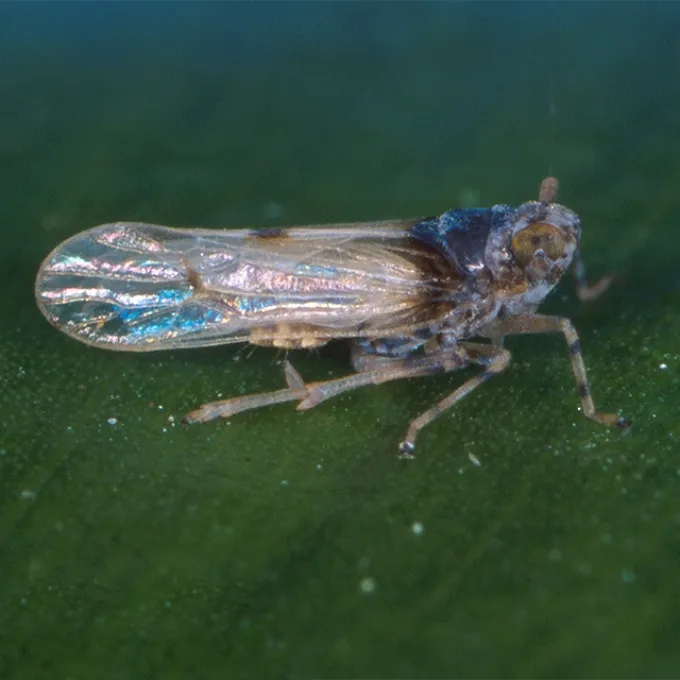
Description
How to identify
Megamelus scutellaris belongs to the order Hemiptera and the family Delphacidae. It is a specialized planthopper known for its host specificity towards aquatic plants.
The insect possesses a piercing-sucking mouthpart, which is crucial for feeding on the phloem sap of its host. The body structure is typical for delphacids, with variations in wing development depending on the environmental conditions.
The life cycle is closely linked to its primary host, water hyacinth, with all developmental stages occurring directly on the plant surface or within its tissue.
Identification is based on morphological traits and the presence of the insect within the colonies of its host plant. They are known for their jumping behavior when disturbed.
The species is globally recognized for its role in the biological control of invasive Eichhornia crassipes, making it a subject of significant entomological research.
What it damages
The primary damage is inflicted upon water hyacinth, where the insect feeds on plant fluids, leading to reduced growth rates and poor plant vigor.
Feeding activities cause necrotic spots at the site of penetration, which gradually expand and contribute to the premature senescence of leaves and petioles.
Large infestations can significantly stress the host plant, reducing its biomass and reproductive capacity, which helps to mitigate its invasive growth in water bodies.
While detrimental to the invasive host, the pest does not pose a risk to terrestrial crops due to its strict requirement for aquatic habitats and specific botanical hosts.
Chronic feeding weakens the plant structure, making it more susceptible to environmental factors and other pathogens found in the aquatic ecosystem.
Signs of infestation
Visual symptoms of infestation include the appearance of localized chlorotic spots resulting from the planthopper's feeding activity.
The discovery of egg-laying sites inside the stems or leaf stalks is a clear indicator that the pest population is established in the area.
The presence of nymphs and adults in the leaf axils is the most reliable sign of colonization during a field survey of the aquatic environment.
Reduced leaf surface area and stunted growth of the plant rosette are common secondary signs associated with high population densities of the pest.
The accumulation of honeydew and subsequent growth of sooty mold on the leaf surfaces often indicate a long-term infestation by the insect.
Control measures
Since Megamelus scutellaris is often utilized as a biological control agent, the control strategy is usually focused on managing the host plant rather than the insect itself.
In cases where controlling the insect is necessary, selective contact insecticides may be used, provided that they are safe for the surrounding aquatic life.
Physical removal and destruction of heavily infested water hyacinth plants remain the most environmentally friendly method for reducing both the weed and the insect population.
Integrated pest management programs emphasize the importance of monitoring insect populations to ensure they effectively control the weed without migrating to non-target habitats.
Sustainable management relies on balancing the ecological benefits of the insect against the potential for excessive spreading within sensitive natural water reservoirs.
Taxonomy
- Latin name
- Megamelus scutellaris
- Order
- Hemiptera (bugs, aphids, leafhoppers)
- Family
- Delphacidae
- EPPO code
- MEGUSC
Discussion
No discussions yet — be the first.