
Marionfyfea adventor
Marionfyfea adventor
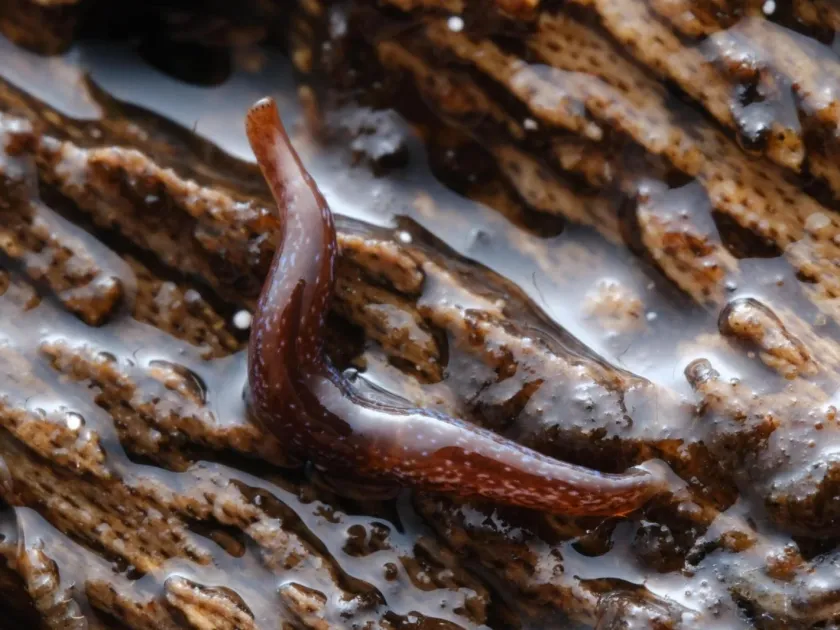
Description
How to identify
Marionfyfea adventor is a species of terrestrial flatworm belonging to the phylum Platyhelminthes, class Turbellaria, order Tricladida, and family Geoplanidae. It is a predatory flatworm adapted to life in moist soil and organic litter.
Adult individuals typically measure between 20 and 40 millimeters in length. Their bodies are elongated and flattened, exhibiting a color range from greyish-brown to deep black, which aids in camouflage within the soil environment.
The skin of the flatworm is covered in a specialized mucus layer that prevents desiccation and facilitates movement over various substrates. They possess sensory organs on the anterior end used to detect prey in humid conditions.
This species is considered invasive in Europe, having been introduced from New Zealand. Its primary mode of dispersal is through the nursery trade, transported along with potted plants and contaminated soil mixtures.
Unlike many other soil-dwelling organisms, this flatworm is an active hunter, capable of navigating through soil pores to locate and consume its prey.
What it damages
The primary damage caused by Marionfyfea adventor is ecological rather than direct feeding on plant tissues. As a predator, it consumes earthworms and other soil invertebrates that are essential for maintaining soil structure and fertility.
By preying on earthworms, this flatworm negatively impacts the aeration and nutrient cycling of the soil, which indirectly leads to poorer growing conditions for ornamental and agricultural crops.
It poses a significant threat in greenhouses and nurseries where the lack of natural predators and consistently moist conditions allow its population to expand unchecked, leading to the local extinction of native soil fauna.
The reduction in beneficial soil organisms caused by these flatworms eventually results in soil compaction and reduced root health, leading to diminished growth rates for affected plants.
In indoor environments or protected gardens, these flatworms can disrupt the delicate balance of soil biology, complicating the maintenance of healthy plant collections.
When it appears
The activity of these flatworms is strictly dependent on moisture levels and temperature. They are most active during wet periods when the soil provides a suitable environment for their movement.
In outdoor settings, activity peaks during spring and autumn when temperatures are moderate and rainfall is frequent. During hot and dry summer months, they retreat deep into the soil to survive.
In greenhouses or indoor plant collections where environmental conditions are stable, Marionfyfea adventor can remain active and reproduce throughout the entire year.
Their reproduction rate is highly efficient in environments with consistent humidity, making them persistent pests in well-watered nursery systems.
They exhibit reduced metabolic activity during cold winter periods in outdoor soils, but they can quickly resume full activity if plants are moved into warmer indoor environments.
Signs of infestation
A primary indicator of a Marionfyfea adventor infestation is the sudden decline of earthworm populations in containers or garden beds. You may notice the soil becoming denser or more difficult to irrigate properly.
During inspections, especially early in the morning or after a heavy watering, you may find the flatworms themselves, appearing as thin, dark, slimy ribbons on the soil surface.
Slime trails left behind on the surface of the soil or the inner sides of pots are a clear sign of their nocturnal or crepuscular activity.
Infestations are often discovered during the repotting process when the flatworm is found nestled within the root ball of an infested plant.
If you notice that your plants are struggling despite proper care, it is worth investigating the soil for the presence of these predators, which may be interfering with the symbiotic soil health.
Control measures
The most effective management strategy is strict phytosanitary control. Always inspect new plants and their root balls thoroughly before introducing them into your greenhouse or garden collection.
Chemical control options are currently very limited, as flatworms are highly resistant to most standard pesticides, and indiscriminate use of insecticides often kills the very beneficial organisms we want to protect.
- Manual removal of observed individuals in the early morning.
- Replacing contaminated soil and disinfecting pots and containers.
- Regulating irrigation to avoid consistently soggy soil conditions.
- Implementing a quarantine period of at least 3–4 weeks for all new plant acquisitions.
Biological control methods are still being researched, and there are currently no reliable natural enemies that can be recommended for widespread horticultural use.
If an infestation is confirmed, the best approach is to isolate the plant and carefully replace the soil, ensuring that the predator is physically removed from the growing environment.
Taxonomy
- Latin name
- Marionfyfea adventor
- Family
- Geoplanidae
- EPPO code
- MAFYAD
Discussion
No discussions yet — be the first.