
Tobacco hornworm
Manduca
Description
How to identify
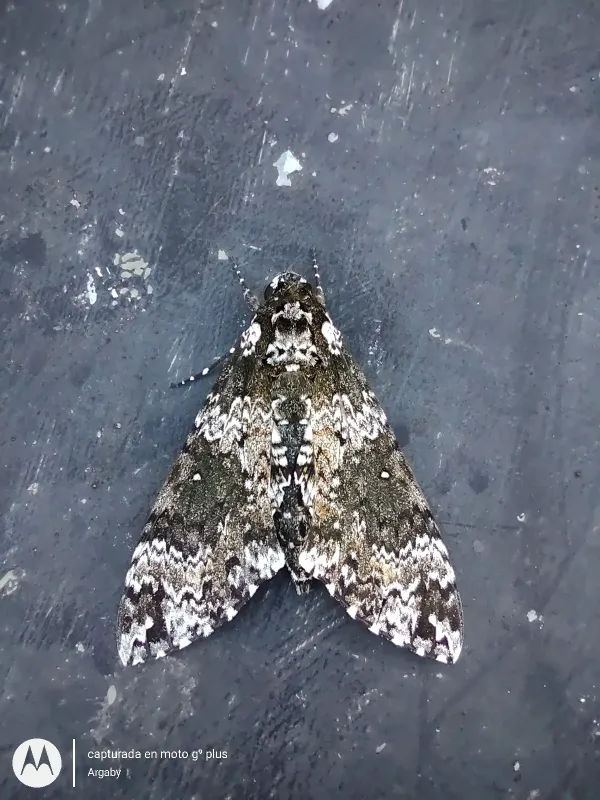
The tobacco hornworm, scientifically known as Manduca sexta, is a common pest belonging to the Sphingidae family. The adult form is a large, sphinx moth known for its nocturnal activity and impressive wingspan that can reach up to 12 centimeters.
The larvae are bright green caterpillars featuring white V-shaped markings on their sides, which serve as excellent camouflage against the foliage of host plants. They can grow up to 9 centimeters long during their larval stage.
A distinctive physical characteristic of this species is the red-tipped horn located at the posterior end of the body. This feature is a key identification marker when distinguishing them from the related tomato hornworm, which typically has a blue horn.
The pupal stage occurs in the soil, where the insect forms a dark, brown, spindle-shaped pupa. It possesses a notable curved sheath for the proboscis, a structure that distinguishes it from other similar pupae in the garden.
The life cycle involves complete metamorphosis, consisting of the egg, five larval instars, pupa, and adult moth. Depending on climate, this species can produce multiple generations per year, making early detection vital for agricultural management.
What it damages
This pest primarily attacks plants in the Solanaceae family. Its preferred hosts include tobacco, tomatoes, peppers, potatoes, and eggplants, where it can cause significant foliage loss and crop degradation.
The tobacco hornworm also thrives on common weeds such as jimsonweed, nightshade, and horsenettle. These host weeds often act as reservoirs, allowing the pest to build up its population before migrating to agricultural fields.
Larvae consume plant tissues voraciously, starting with leaves and often progressing to flowers and immature fruits. The damage is particularly rapid during the final larval instars, when a single caterpillar can strip a plant bare within days.
Fruit damage manifests as large, irregular gouges or holes, rendering the harvest unmarketable. Furthermore, these open wounds on fruits provide entry points for secondary pathogens, leading to fruit rot and further yield losses.
Severe infestations reduce the photosynthetic area of the crop, leading to stunted growth and reduced yields. Even without total plant loss, the reduction in vigor and quality represents a significant economic burden for farmers.
Signs of infestation
The most obvious sign of an infestation is the presence of defoliated stems and missing leaf tissue. Caterpillars usually start from the upper portion of the plant and work their way down, leaving behind only the larger veins.
Dark, barrel-shaped droppings (frass) found on leaves or the ground beneath the plants are a clear indicator of hornworm activity. These droppings are easily visible and often precede the discovery of the caterpillar itself.
Damaged fruits, characterized by deep, messy chewing marks, indicate that larvae have moved beyond the vegetative growth stage. Such damage is distinct from other pests due to the sheer size of the wounds left behind.
Direct observation of the caterpillars is possible, although they are masters of disguise. Scanning the undersides of leaves and the junction of stems is the most effective way to locate them manually.
Signs of wilting on specific branches or sections of the plant may suggest stem feeding or severe leaf loss, which disrupts the vascular transport of nutrients in the plant, causing localized stress.
Control measures
Hand-picking is the most straightforward and effective method for small-scale gardens. Because of their size, tobacco hornworms are easy to remove and destroy manually, providing immediate relief for the affected plants.
Tilling the soil in late autumn or early spring can disrupt the pupal stage, exposing the overwintering pupae to cold temperatures or predators. This cultural practice significantly reduces the emergence of the first generation in spring.
Biological control agents, such as Bacillus thuringiensis (Bt), are highly effective against young larvae. This bacterial pesticide targets the caterpillar's digestive system while remaining safe for bees and other beneficial insects.
Chemical control should be reserved for severe outbreaks. Use products labeled for your specific crop, ensuring that the active ingredients are effective against lepidopteran larvae while strictly adhering to safety intervals.
- Monitor fields using pheromone traps to predict moth flight activity.
- Encourage natural enemies like braconid wasps, which parasitize the larvae.
- Implement crop rotation to break the pest's reproductive cycle in the field.
Taxonomy
- Latin name
- Manduca
- Order
- Lepidoptera (butterflies)
- Family
- Sphingidae
- EPPO code
- MANDSP
Discussion
No discussions yet — be the first.