
Giant burrowing cockroach
Macropanesthia
Description
How to identify
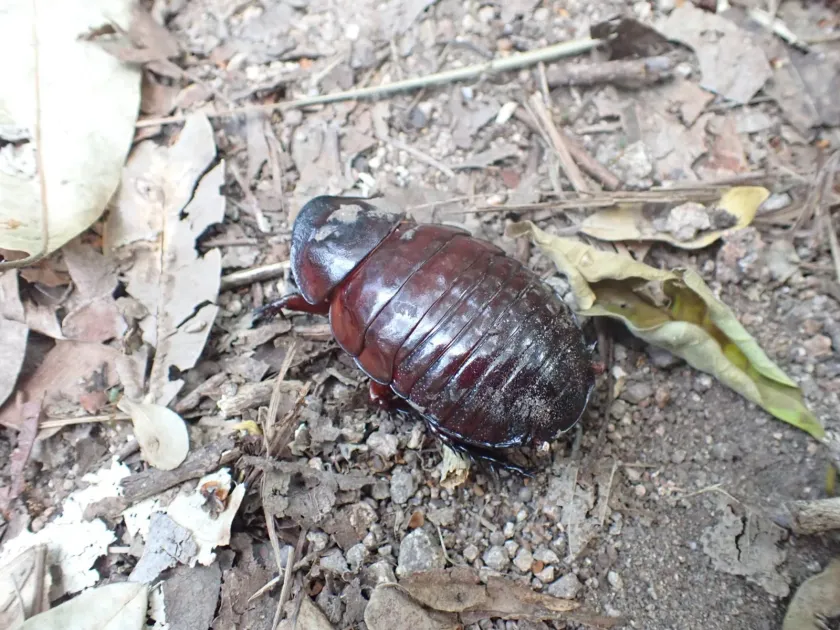
The giant burrowing cockroach (Macropanesthia rhinoceros) is a member of the Blaberidae family. It is one of the world's heaviest cockroaches, reaching up to 8 cm in length and weighing up to 35 grams.
These insects are flightless and highly adapted for life underground, featuring strong, heavily sclerotized bodies and legs designed for digging through compacted soil.
Their life cycle is exceptionally slow; nymphs stay with their mother in deep burrows for several months, which is a unique trait among cockroaches.
They are not considered a household pest, as they do not infest homes; instead, they are essential decomposers in their native Australian forest ecosystems.
The species can be identified by the presence of large, tunnel-like openings in the soil near the base of trees or shrubbery where they reside in colonies.
What it damages
While their primary diet consists of decaying eucalyptus leaves, they can occasionally cause damage to agricultural crops when their natural food sources are scarce.
They may gnaw on the roots of young seedlings, bulbs, and tender tubers, which leads to stunted plant growth and increased susceptibility to environmental stress.
The main agricultural impact comes from their extensive burrowing activity, which disturbs the soil structure around the root zone, often causing seedlings to dry out.
In nursery settings, high populations can cause significant mechanical damage to the root systems of container-grown plants, leading to widespread plant loss.
Furthermore, the physical disturbance of the soil creates pathways for pathogens, which can exacerbate the spread of root-rot diseases throughout the crop.
Control measures
The most effective management strategy involves cultural practices such as regular soil cultivation, which disrupts the burrows and forces the insects to abandon the area.
Sanitation is key: removing leaf litter and organic debris from the garden prevents the cockroaches from finding the food and shelter they need to thrive.
Installing physical barriers around vulnerable garden beds can help prevent these ground-dwelling insects from entering specific planting zones.
Biological monitoring is recommended in high-risk areas to detect colony formation early, allowing for timely intervention before population numbers explode.
Due to their subterranean lifestyle, broad-spectrum insecticides are often ineffective; target-specific bait stations or integrated pest management methods are preferred.
Taxonomy
- Latin name
- Macropanesthia
- Family
- Blaberidae
- EPPO code
- MPANSP
Discussion
No discussions yet — be the first.