
Limacus slug
Limacus
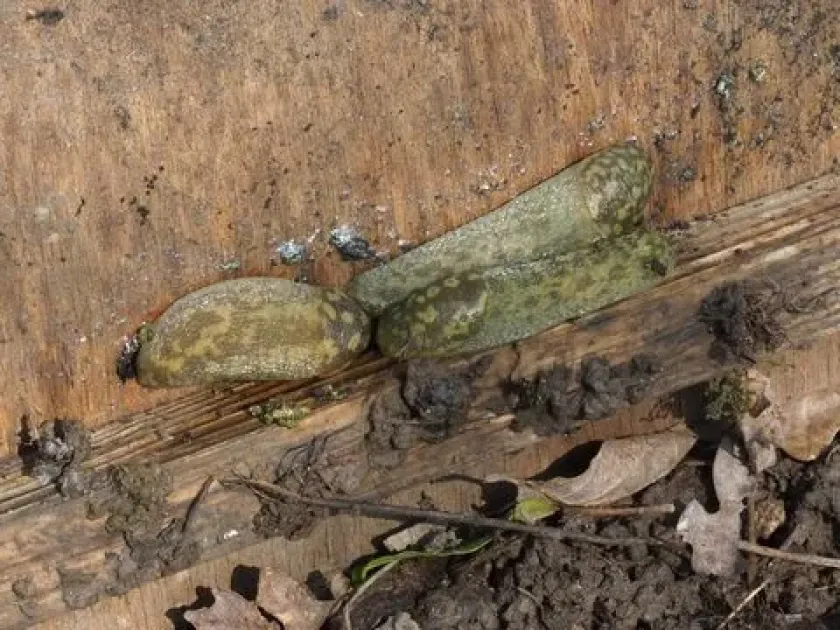
Description
How to identify
The Limacus slug is a member of the Limacidae family, commonly found in gardens, greenhouses, and moist agricultural landscapes. These gastropods are characterized by their elongated, soft bodies that can stretch significantly while moving.
Typically, these slugs range in color from light gray to brown, often displaying darker patterns or spots on the mantle area. Their skin is covered in a thick layer of mucus, which prevents desiccation and allows for smooth movement over various surfaces.
A key identification feature is the breathing hole located at the rear side of the mantle. Like other slugs, they possess two pairs of retractable tentacles: the upper pair bears eyes, while the lower pair functions as sensitive organs for smell and touch.
The life cycle of the Limacus is highly dependent on environmental moisture. They deposit clutches of eggs in damp, sheltered locations, such as under decaying organic matter, loose soil, or dense vegetation, where they are protected from heat.
These mollusks are nocturnal, spending the daylight hours hiding in cool, humid micro-habitats. During winter, they retreat into deeper soil layers or sheltered crevices to survive colder temperatures before emerging in the spring.
What it damages
Limacus slugs are generalist herbivores, meaning they feed on a wide array of plants. Their diet includes a variety of vegetables, berries, and ornamental plants, making them a significant concern for both hobby gardeners and farmers.
Among the most affected crops are lettuce, cabbage, strawberries, cucumbers, and young seedlings of various species. They are particularly attracted to succulent tissues, consuming leaves, flowers, and even ripening fruits resting on the soil surface.
Damage caused by these slugs results in stunted plant growth and a decrease in crop quality. By feeding on seedlings, they can destroy entire plantings, leading to a need for replanting and increased labor costs during the growing season.
Beyond physical consumption, their trails of mucus and fecal matter soil the crops, which ruins their marketability. Fruits contaminated by slugs are generally unfit for sale or fresh consumption due to hygiene and aesthetic concerns.
The feeding injuries often lead to secondary infections. Bacteria and fungi can easily invade the plant through the wounds left by the slug's rasping mouthparts, causing rot that can quickly spread to healthy parts of the plant.
Signs of infestation
The most recognizable sign of Limacus activity is the presence of dried, silvery mucus trails left on the soil or plant foliage. These trails sparkle in the sunlight, providing clear evidence of recent slug movement.
Plants infested by these slugs show irregular, ragged holes in the leaves. Unlike insect pests that might skeletonize a leaf, slugs often consume large chunks, leaving behind only the thicker, more fibrous veins of the leaf tissue.
Fruits, especially strawberries or low-growing vegetables, exhibit deep cavities and holes where the slugs have been feeding. These damage sites are often associated with soft, decomposing areas due to the introduction of decay organisms.
Because they are nocturnal, they are rarely seen during the day. However, their presence can be confirmed by checking beneath moist materials like boards, containers, or mulch, where they congregate to escape the drying effects of the sun.
Additionally, small, cylindrical, dark-colored excrement pellets left around the base of the plant are a reliable sign of their activity. Plants that appear wilted or show rapid decline overnight are often victims of severe slug grazing.
Control measures
Cultural control is the first line of defense: keeping the garden clean by removing debris, weeds, and discarded plant parts reduces available hiding spots. Proper soil cultivation can also help expose eggs to drying conditions and predators.
Barriers can be used to prevent slugs from reaching vulnerable plants. Applying materials like wood ash, grit, or lime around the perimeter creates a harsh surface that slugs avoid. These barriers must be replenished regularly, especially after rain.
Trapping is an effective manual method for smaller areas. Using beer traps or placing damp cardboard or wooden planks under which slugs hide during the day allows for manual collection and removal of the pests in the morning.
Chemical control usually involves the use of molluscicides, such as metaldehyde-based pellets. These are applied in small amounts around the base of the plants, effectively attracting and eliminating the slugs when used according to the label.
Biological controls are essential for a balanced garden. Encouraging natural predators such as ground beetles, frogs, toads, hedgehogs, and birds helps keep the population of Limacus slugs in check without the constant need for chemicals.
Taxonomy
- Latin name
- Limacus
- Order
- Molluscs
- Family
- Limacidae
- EPPO code
- LIMCSP
Discussion
No discussions yet — be the first.