
Lehmannia
Lehmannia
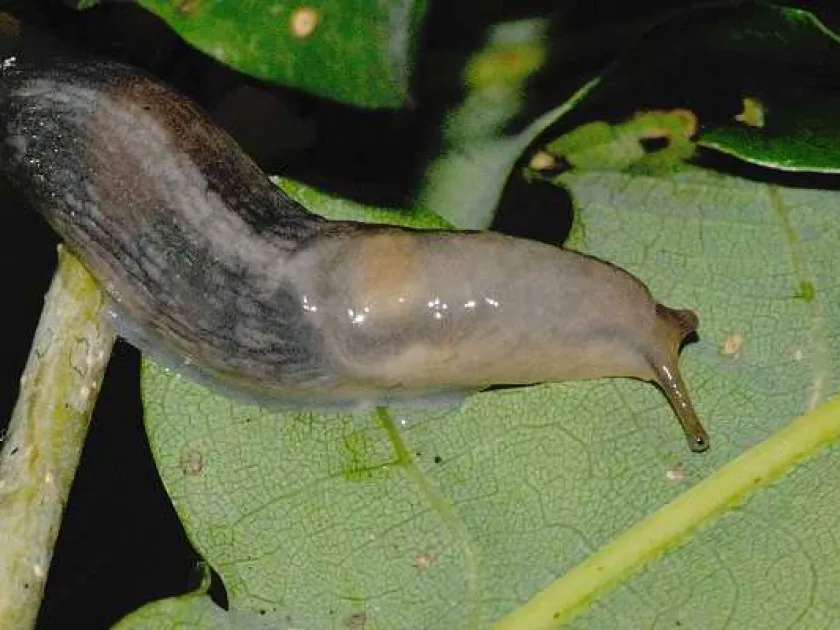
Description
How to identify
Lehmannia is a genus of air-breathing land slugs belonging to the family Limacidae. These slugs are known for their slender body shape and graceful movement.
They are characterized by a distinct mantle that often features patterns or longitudinal stripes, which aids in species identification by specialists.
These slugs produce a considerable amount of mucus to prevent dehydration and to facilitate smooth locomotion over various surfaces.
They are highly adaptable to human-altered environments, frequently inhabiting gardens, greenhouses, and orchard areas where they find abundant shelter.
As nocturnal animals, they possess well-developed sensory organs to navigate through vegetation and detect potential food sources in low light conditions.
What it damages
Lehmannia slugs are generalist feeders, causing damage to a wide range of horticultural crops and ornamental plants during the growing season.
They often feed on the tender foliage of vegetables such as lettuce, cabbage, and spinach, resulting in ragged holes that can ruin the plant's health.
Fruit crops like strawberries are particularly vulnerable, as slugs consume the ripening flesh, leaving behind deep, crater-like cavities.
In addition to physical consumption, their mucus trails can harbor pathogens, potentially leading to secondary rot issues in damaged plant tissues.
In high-density infestations, these slugs can completely defoliate young seedlings, resulting in significant crop failures and economic losses.
When it appears
The activity of Lehmannia slugs is strongly correlated with temperature and soil moisture levels throughout the year.
They become most active during the spring and autumn months, when mild temperatures and increased rainfall provide ideal conditions for feeding.
During the hot summer months, they seek cool, shaded refuge in soil cracks, compost piles, or deep mulch to avoid desiccation.
Activity is highest during the night or early morning hours; they avoid bright light, which can quickly dehydrate them.
Winter survival is typically achieved through hibernation in sheltered microhabitats, such as under garden debris or wood piles.
Signs of infestation
Visible feeding damage in the form of irregular, rounded holes in the leaves is the most common indication of a slug presence.
Silvery, shiny slime trails left behind on soil, leaves, or hard surfaces are clear diagnostic signs of recent slug activity.
Plants may show reduced growth rates due to extensive loss of leaf area, making them more susceptible to environmental stress.
Fruit damage manifests as shallow or deep irregular bites that are often accompanied by brown, decaying edges as the plant tissue dies.
Checking the underside of leaves or the base of stems during evening inspections often reveals the presence of the pests themselves.
Control measures
Effective control starts with sanitation: clearing away weeds, leaf litter, and garden debris removes the essential hiding spots for these slugs.
Installing physical barriers around vulnerable beds, such as grit or diatomaceous earth, can deter slug migration into the cropping area.
Biological control using predatory nematodes applied to the soil can significantly reduce populations in damp, shaded environments.
When chemical control is necessary, use bait containing iron phosphate, which is effective against slugs while being safer for non-target wildlife.
- Hand-picking slugs during moist evenings.
- Setting up beer traps to monitor and reduce local populations.
- Promoting natural predators like thrushes, toads, and beetles.
Taxonomy
- Latin name
- Lehmannia
- Order
- Molluscs
- Family
- Limacidae
- EPPO code
- LEHMSP
Discussion
No discussions yet — be the first.